Handmade Brisbane: The Women Behind Queensland’s Arts and Crafts Movement
Women Shaping Queensland’s Arts and Crafts Movement
In the early 20th century, the Arts and Crafts movement in Australia found a distinctive expression in Queensland—particularly in Brisbane. While the movement championed handcraft, material honesty, and a rejection of mass production, in Queensland it was also shaped by something more specific: the vision and leadership of women.
Across studios, classrooms, and cultural institutions, women artists were central to defining a local creative identity—one grounded in place, skill, and community.
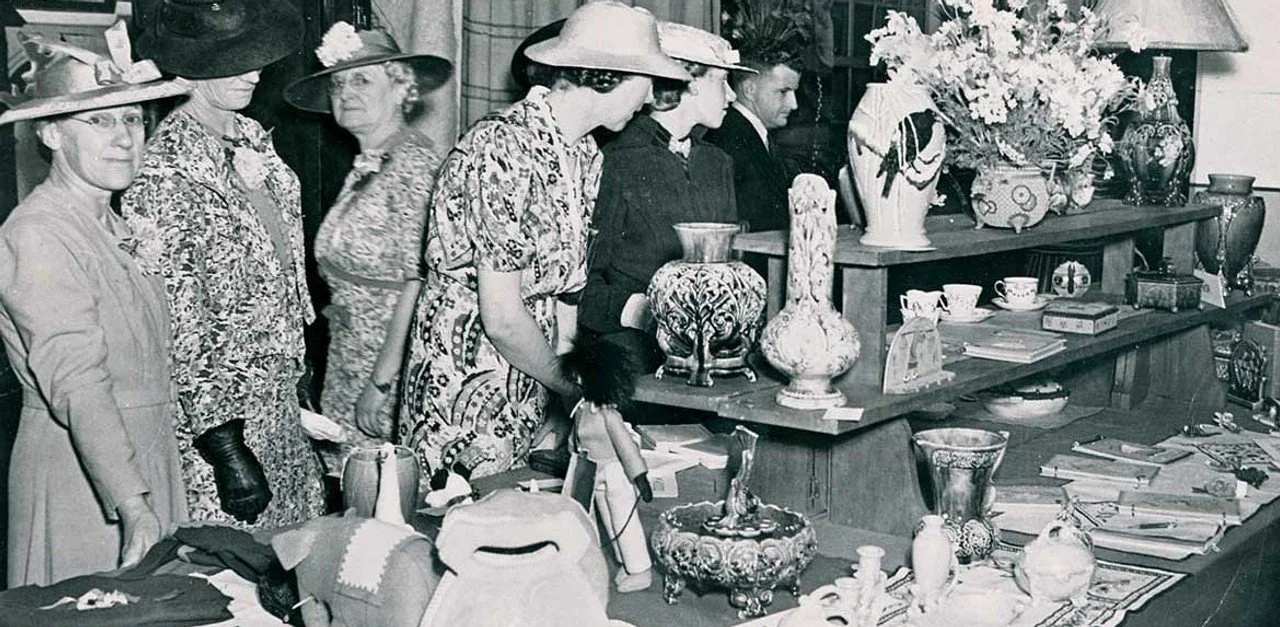
QAGOMA image
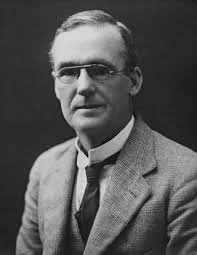
L J Harvey
The Harvey School and a Generation of Makers
At the centre of this movement was the influential teaching practice of L. J. Harvey. His School of Arts and Crafts trained a generation of makers, many of them women, who carried these ideas into homes and communities across Queensland.
Among them were ceramic artists such as Alice Bott, Sarah Ellen (Nell) Bott, and Bessie Devereux, whose work helped define a distinctly local approach to pottery. Their pieces often featured native flora—gum leaves, banksia, and berries—reflecting both the subtropical environment and a growing desire to establish an Australian design language.
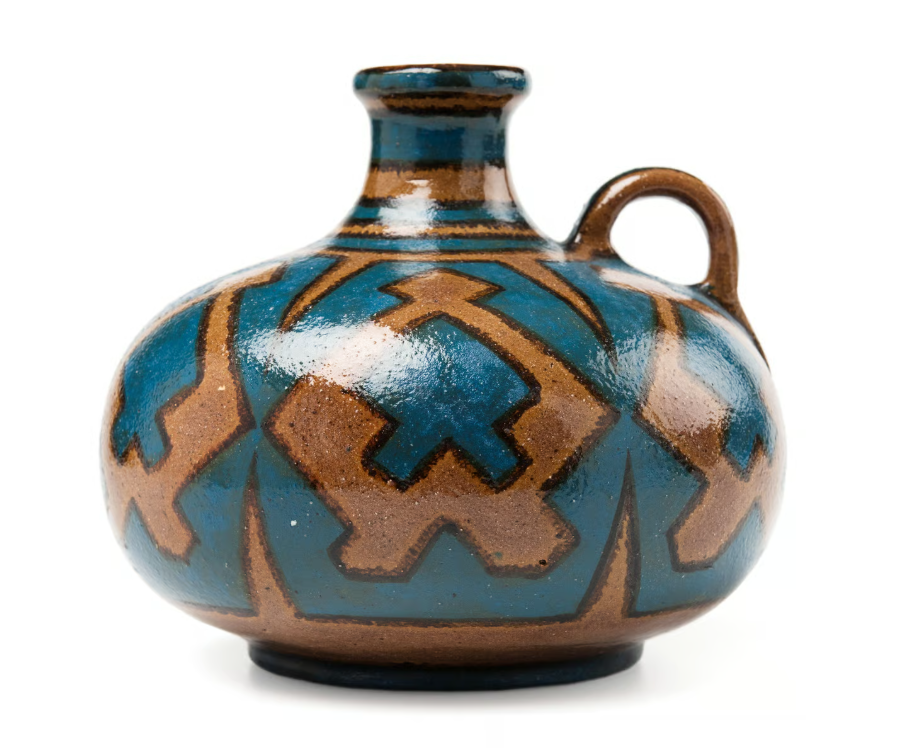
Bessie Devereaux- image Sydney Powerhouse
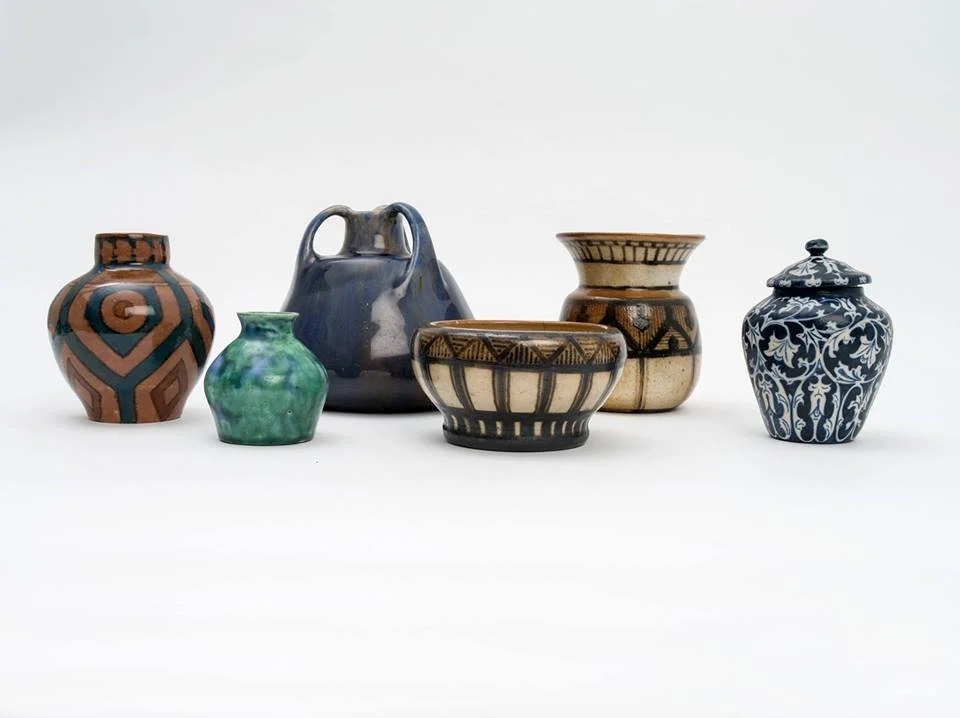
Bessie Devereaux - Griffith University
Art, Identity, and the Local Landscape
A defining feature of the Queensland Arts and Crafts movement was its embrace of local subject matter. Brisbane artists moved away from European traditions, instead celebrating the forms and textures of the Australian landscape.
This approach aligned with broader Arts and Crafts ideals while giving them a uniquely Queensland voice—grounded in place and identity.
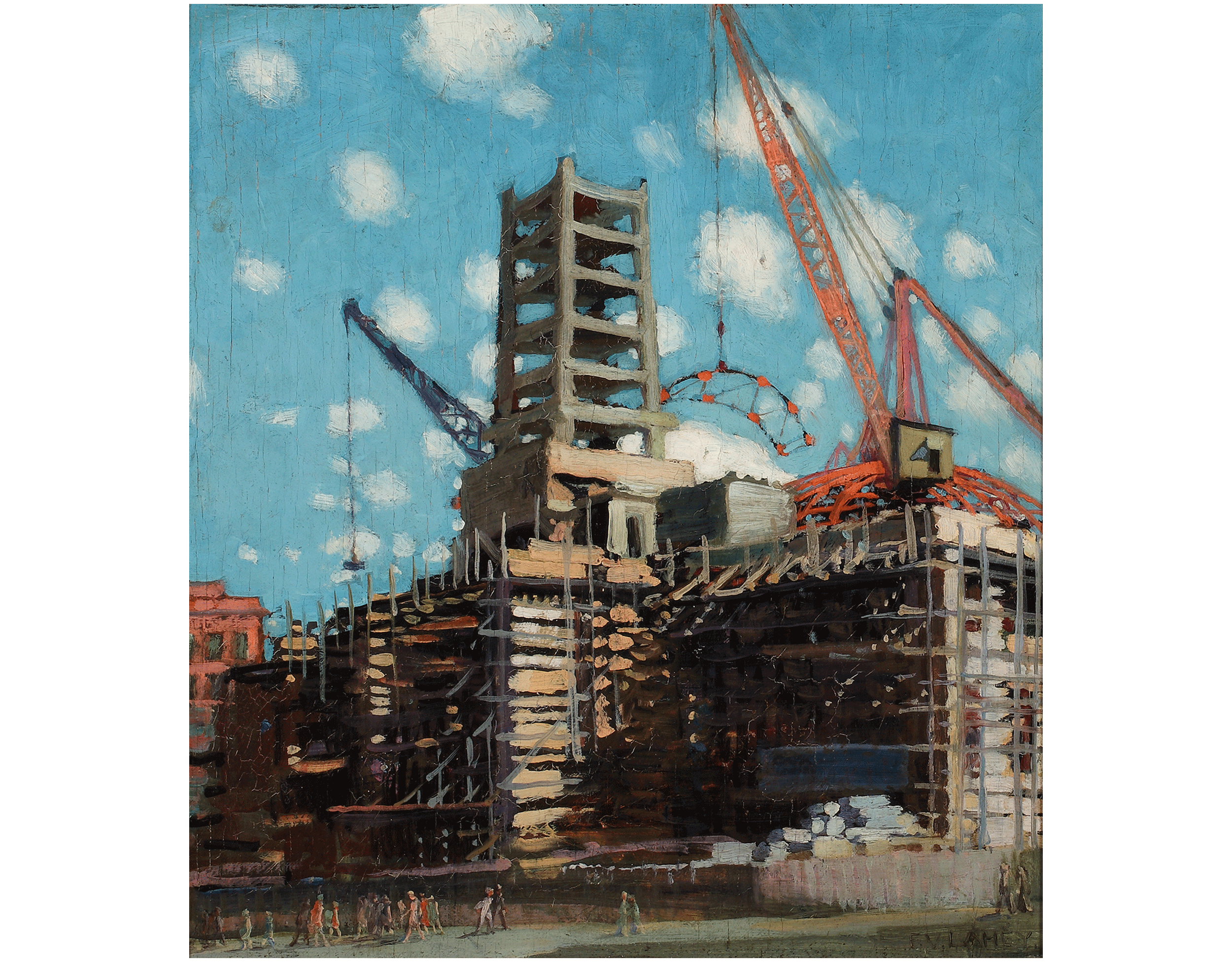
Vida Lahey - City Hall -(MOB image)
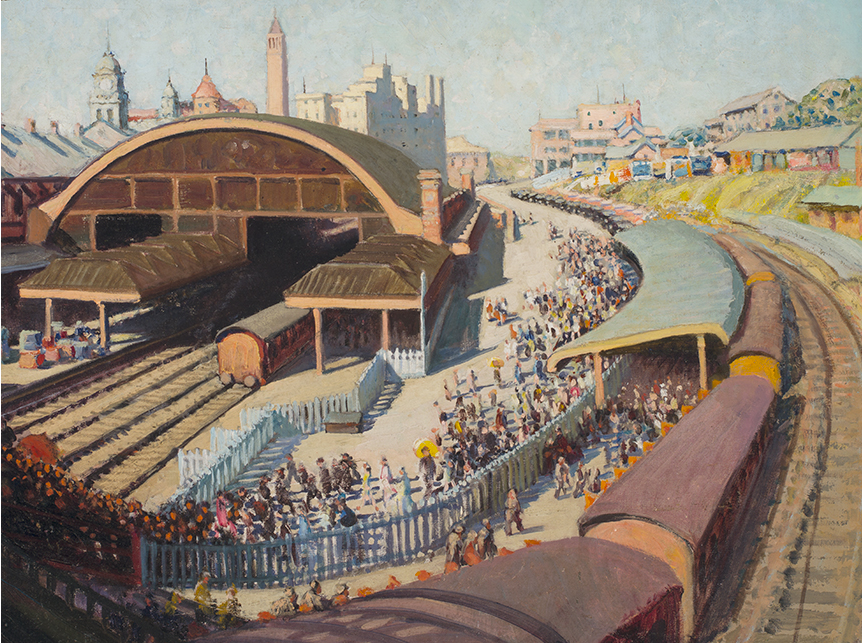
Vida Lahey - Central Station - (MOB image)
Leaders in Art and Advocacy
At the forefront of Brisbane’s cultural life were figures such as Daphne Mayo and Vida Lahey. Mayo’s major public works helped shape the city’s visual identity, while Lahey was instrumental in developing the Queensland Art Gallery and promoting arts education.
Together, they played a critical role in establishing the institutional and cultural foundations of the arts in Queensland.
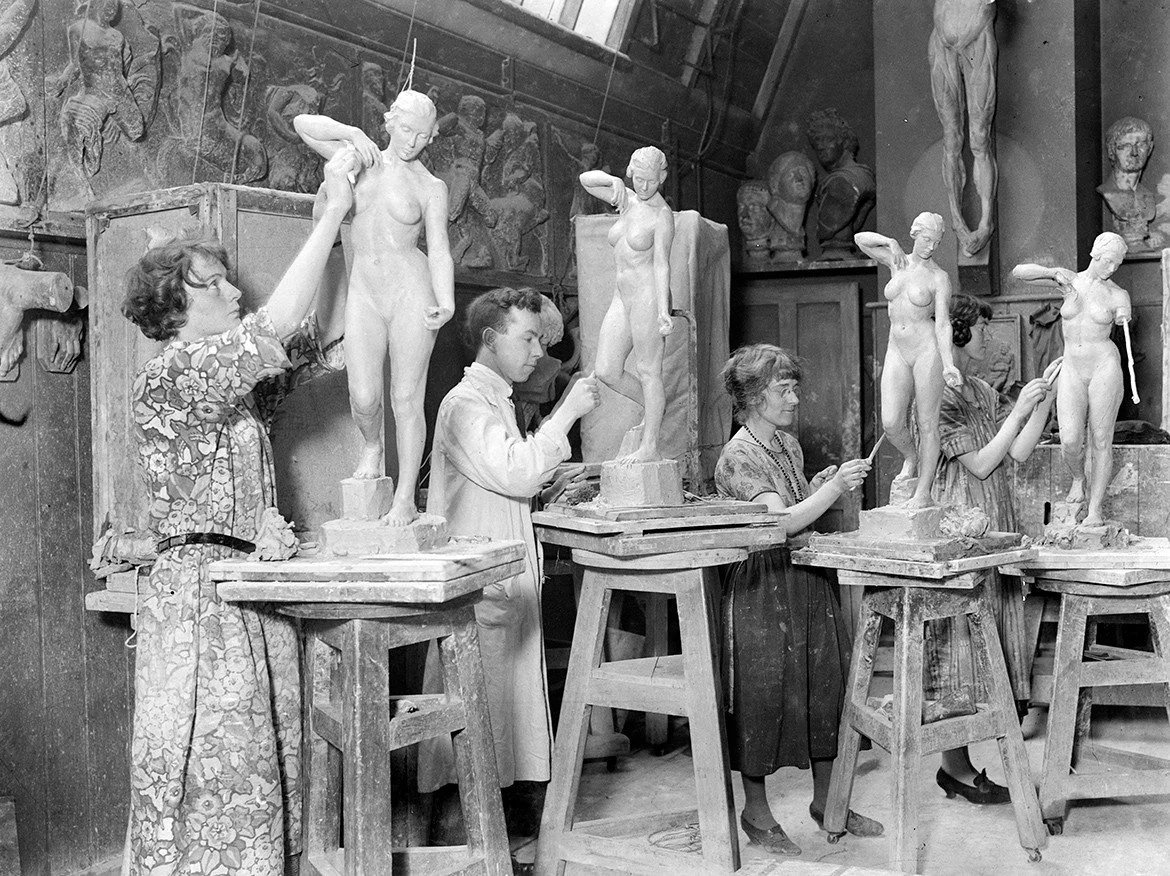
Daphne Mayo - QAGOMA
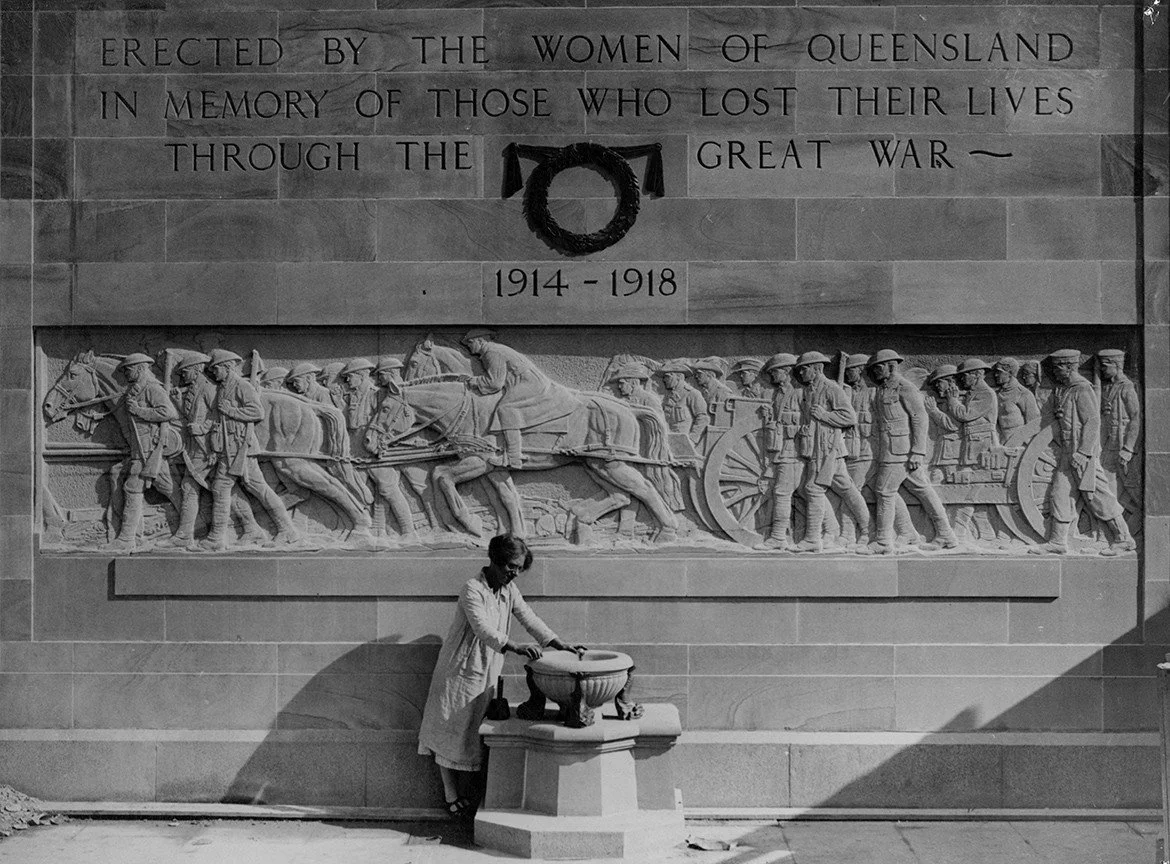
Daphne Mayo
Expanding the Artistic Landscape
The influence of women extended across disciplines. Portrait painter Caroline Barker contributed to Brisbane’s artistic life through her George Street studio, while sculptor Kathleen Shillam would later gain national recognition.
These six figures—Mayo, Lahey, Barker, Shillam, and ceramicists such as the Bott sisters and Devereux—represent the strength and diversity of women’s contribution to Queensland’s Arts and Crafts movement. There are many more names of the period, but this story is to open your curiosity and discover the Women of the Arts and Crafts Movement.
A Living Legacy
The Arts and Crafts movement in Queensland is not just a story of the past—it continues to resonate today. Across Australia, there is renewed interest in handmade practice, local materials, and community-based making, echoing the values championed by Brisbane’s early artists.
This legacy is best understood through the lens of Intangible Cultural Heritage—the skills, knowledge, and creative traditions passed from one generation to the next.
Today, the influence of these artists lives on not only in collections and public monuments, but in the ongoing act of making itself: taught, shared, and continually reinterpreted across generations.