Taking to the Water: Brisbane’s Long Tradition of River Journeys
From working waterway to shared social life
From the earliest days of European settlement, Maiwar, the Brisbane River was not a backdrop—it was the city’s primary transport corridor.
Before bridges, before reliable roads, and long before the dominance of cars, Brisbane moved by water.
Beginnings: The River as Lifeline (1820s–1860s)
In the 1820s and 1830s, movement along the river was essential. Government boats, small private vessels, and early trading craft connected the penal settlement to the wider Moreton Bay region.
By the 1840s and 1850s, as free settlement expanded, more regular services began to emerge. These were not yet formal ferry networks, but they established a pattern: the river as the most efficient way to move people and goods between scattered communities.
John Oxley river survey 1823
The bend of River Brisbane from near the Kangaroo Point Ferry, August 1858. Thomas Biddulph Hutton.
Ferries and Steamers: A River in Motion (1860s–early 1900s)
By the late nineteenth century, the river had become a busy and layered transport network.
Cross-river ferries linked growing suburbs such as Kangaroo Point, Bulimba and South Brisbane. Before the construction of bridges, these ferries were indispensable, carrying workers, goods, and daily life across the river.
Named vessels began to appear in regular service, including small steam ferries operating frequent crossings and upriver routes. Central Brisbane wharves were active points of departure and arrival throughout the day.
At the same time, larger paddle steamers expanded travel beyond necessity into leisure.
Excursions and Destinations: Travel for Pleasure (1880s–1920s)
By the 1880s, organised excursion travel had become a defining feature of river life.
One of the most distinctive destinations was the “Aquarium” at Hemmant. Developed as a riverside attraction, it drew visitors by steamer for day trips that combined travel, entertainment, and leisure.
Further down the bay, regular excursion services carried passengers to:
St Helena Island, where visitors toured the prison and grounds
Cleveland and the Redlands, promoted as seaside retreats
Redcliffe, one of the region’s earliest holiday destinations
Bribie Island, accessible only by boat and popular for fishing and camping
Excursion steamers were designed for sociability. Contemporary accounts describe music, refreshments, and large organised groups travelling together for picnics and outings. The journey itself was part of the attraction.
A 1925 newspaper report noted the expansion of up-river ferry services as a “remarkable sign of the growth of Brisbane,” and pointed to the “large possibilities… in the way of excursion services in the upper reaches of the Brisbane River.”
Sailing vessel on New Farm Reach, Brisbane River, ca.1860s. Photographer unknown. Image no. APO-026-0001-0003, from APO-26 Views of Queensland photograph album ca.1859-ca.1910. John Oxley Library, State Library of Queensland.
The Maid of Sker, a coastal paddle steamer, was built by J. W. Sutton Foundry of Kangaroo Point, Brisbane and launched in 1884.
A Different Kind of Vessel: The Lucinda
Alongside ferries and excursion steamers operated a very different kind of vessel: the government yacht SS Lucinda.
Launched in 1884, the Lucinda was used by Queensland’s political leadership for official travel, hosting, and ceremonial occasions. It travelled along the same waterways—the Brisbane River and Moreton Bay—but served a far more select group of passengers.
The vessel is best known for its association with the drafting of parts of the Australian Constitution during the 1891 Constitutional Convention.
While excursion steamers carried large public groups to picnics and seaside destinations, the Lucinda hosted dignitaries, officials, and invited guests. Together, they illustrate how the river functioned simultaneously as a space of everyday movement and formal social life.
SS Lucinda QMM Facebook
SS Lucinda Queens Wharf History
Shifting Away (1930s–1970s)
From the 1930s onward, the river’s central role began to diminish.
Bridges reduced reliance on ferries, road networks expanded, and private car ownership increased. Rail services further absorbed passenger movement.
Many ferry routes closed, and excursion services declined. The river increasingly became associated with industry rather than daily life.
Well-known excursion steamers such as the Koopa and Doomba ran regular trips from Brisbane to Redcliffe and Bribie Island, carrying day-trippers to the bay and helping establish these destinations as part of the city’s leisure culture.
from Queensland Maritime Museum Facebook
“Koopa” Bribie Island Historical Society
Reimagining the River (1990s–Today)
In recent decades, Brisbane has begun to reconnect with its river.
Modern ferry services have re-established it as a public transport corridor, while tourism operators have revived its role as a place of experience and exploration.
This renewed interest reflects ideas expressed as early as the twentieth century. A later commentary, drawing on London’s “water bus,” suggested that Brisbane’s river could again relieve congestion while opening new opportunities for leisure travel.
A Continuing Pattern
For more than 150 years, the Brisbane River has carried:
Workers and goods
Families and social groups
Visitors seeking recreation and escape
From early government boats to scheduled ferries, from excursion steamers to contemporary cruise services, the pattern remains consistent.
The river has always been a way to get somewhere—and a reason to go.
11/6/2026 Update:
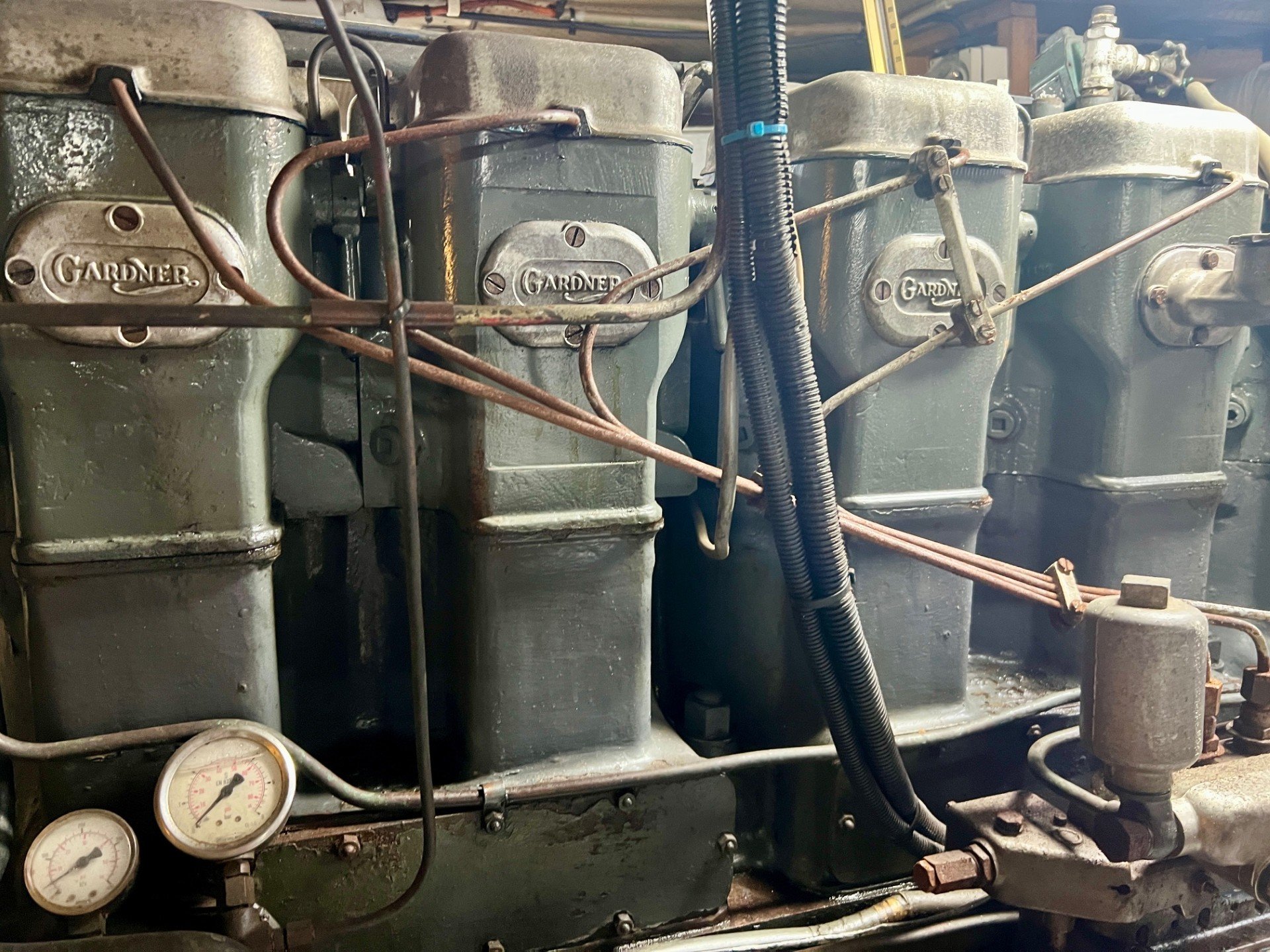
Yesterday we visitied the Lady Brisbane to talk about how we can share story and memory via river travel. Look out for future projects
Lady Brisbane
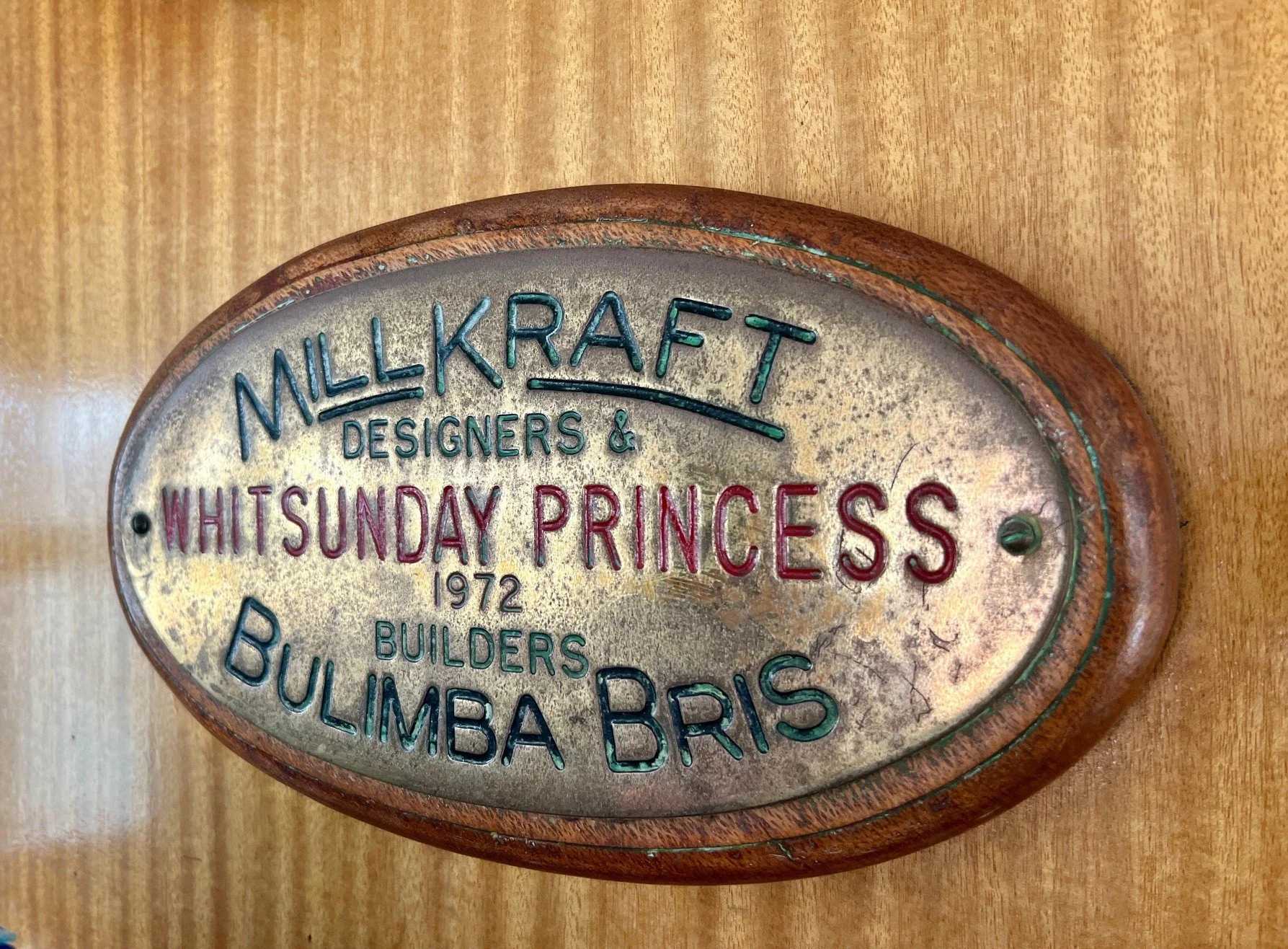
Lady Brisbane Original Gardiner engine