
The River That Vanished: The Hidden History of Wheat Creek Under the CBD
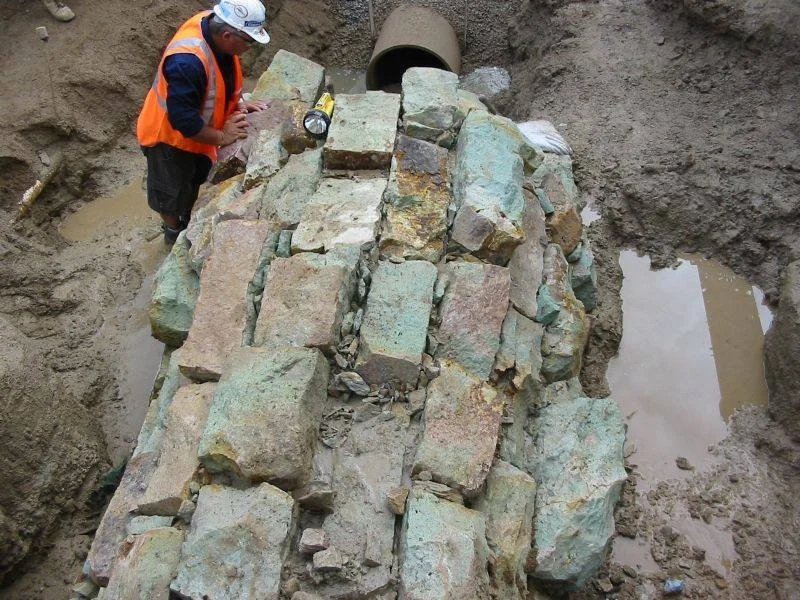
Most people walk through Brisbane’s CBD without realising a creek is running below their feet. Wheat Creek, once a freshwater stream flowing from Spring Hill into the river, shaped the early layout of the city. Today it’s completely hidden—redirected into stormwater channels—but its influence is still felt.
Country Before the City
For Turrbal families, Wheat Creek was an important fresh water source and gathering place. The wetlands around it supported plants used for weaving, food and medicine. The low valley created by the creek also formed a natural walking route toward the river.
Early Brisbane Relied on the Creek
In the early settlement days, Wheat Creek supplied water for gardens, barracks and small industries. Sketches and maps show bridges crossing the creek where shoppers now stroll between stores.
It also fed several lagoons, creating a series of waterholes across what is now Queen Street and Albert Street.
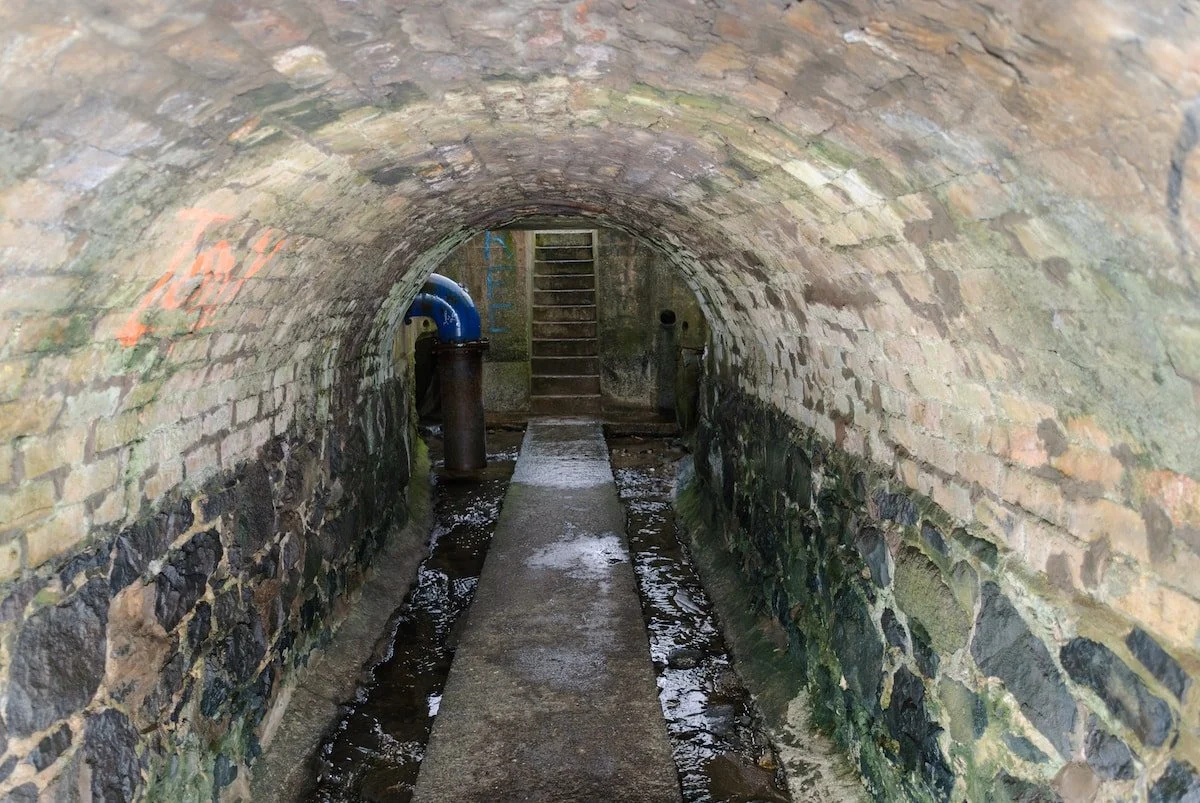
https://insidewater.com.au/ Bulimba-Hamilton Siphon
From Waterway to Drain
By the 1860s, the creek was heavily polluted—industrial runoff and waste made it an environmental hazard. The solution was to brick it over in stages, eventually hiding the entire watercourse underground.
By the early 1900s, Wheat Creek was no longer part of the visible city, but it never stopped flowing.
Traces Still in the Landscape
Even now, the CBD still bends around the shape of the creek:
The slope of Adelaide Street follows its original line
Low points and drainage patterns map the old wetlands
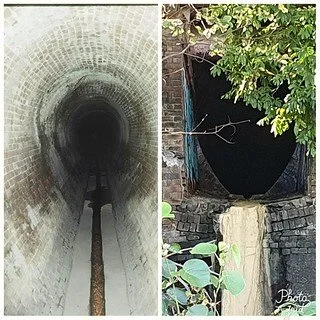
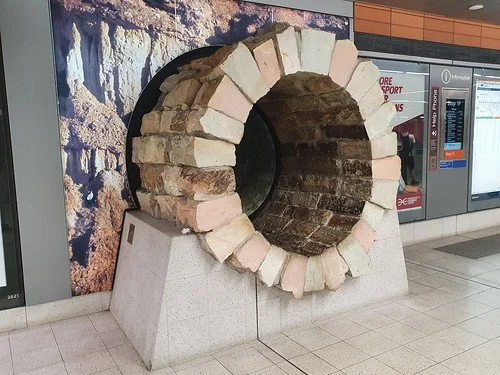
Stormwater access points often sit exactly where the creek once ran
When you know what to look for, you start to see the old Brisbane underneath the modern one.
Why This Story Matters
Wheat Creek is a reminder that the city is layered. Under every road or plaza is an older geography, a cultural landscape, or a natural system that shaped how Brisbane grew. Understanding these hidden stories helps us protect what’s left—and appreciate how much the land continues to influence the city.