100 Years On: How The Moth of Moonbi Ties Brisbane to Australia’s Film Story
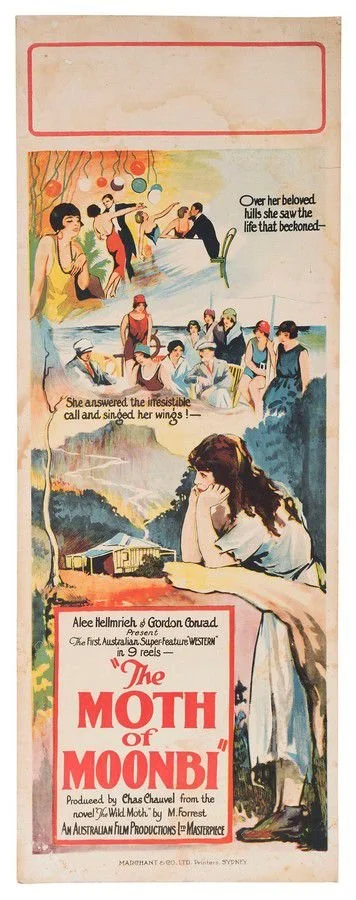
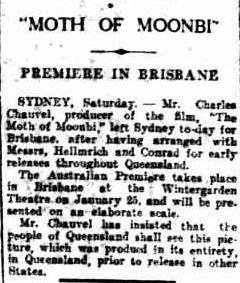
On 25 January 1926, Brisbane audiences attended screenings of a new Australian silent film, The Moth of Moonbi, directed by Charles Chauvel.
The film, adapted from Mabel Forrest’s novel The Wild Moth, was part of a growing body of locally produced cinema at a time when Australian films competed directly with British and American imports. Its Brisbane screenings placed the city within the national exhibition circuit that sustained early Australian filmmaking during the silent era.
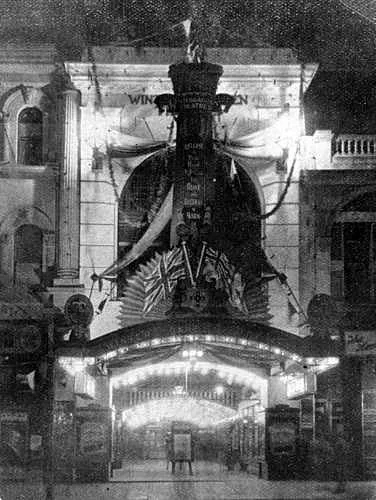
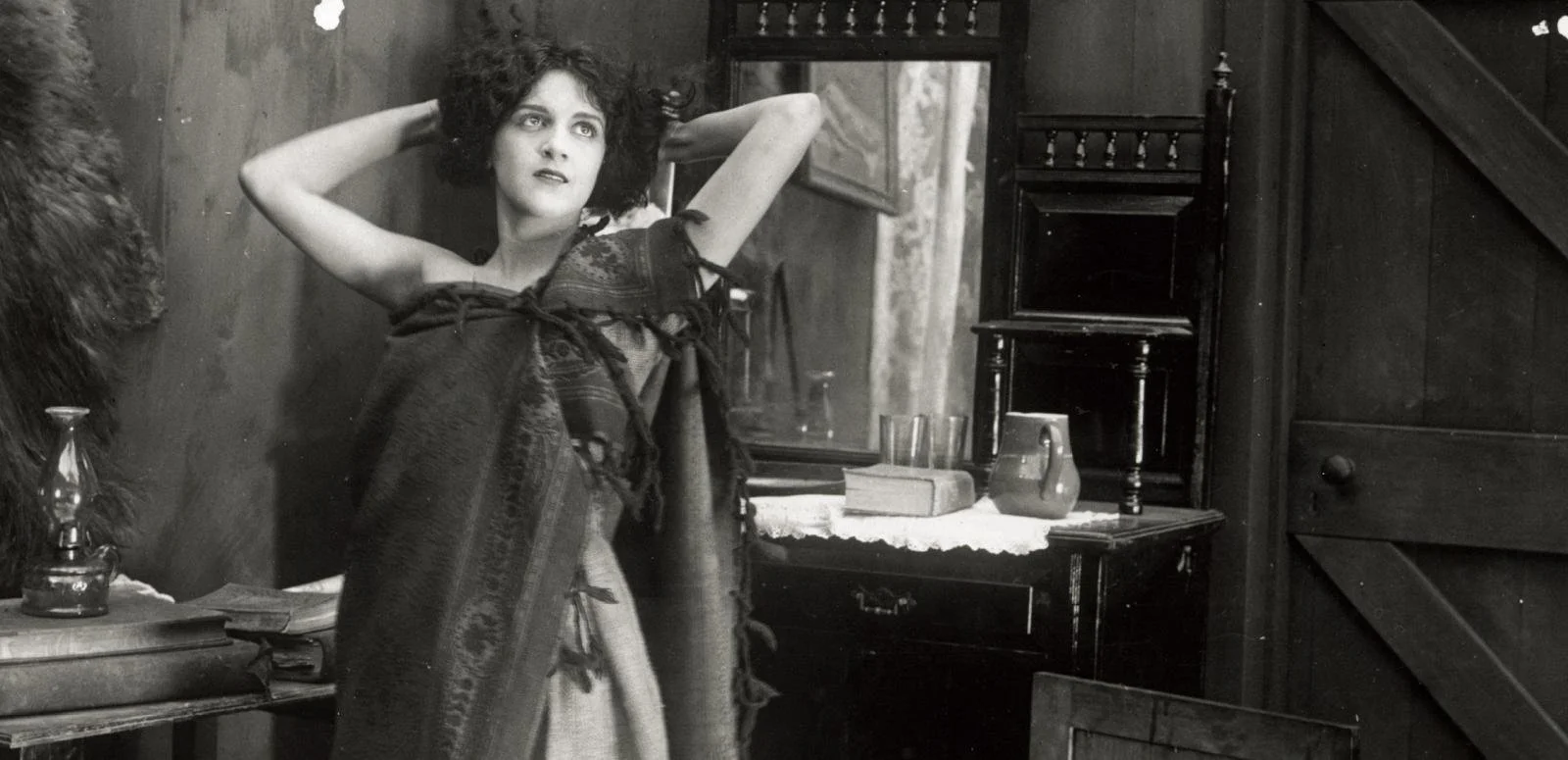
One of the known Brisbane venues to screen The Moth of Moonbi was the Wintergarden Theatre, then one of the city’s premier picture theatres.
Silent film in Brisbane in the 1920s
By the mid-1920s, cinema was well established in Brisbane. Silent films were shown daily across the city, accompanied by live musicians and, in larger theatres, orchestras.
The Wintergarden Theatre, which opened in 1924, was among the most prominent venues of the period. Purpose-built for film exhibition, it hosted major releases and touring screenings and was a central part of Brisbane’s cultural life. Like many theatres of its era, it has since been demolished.
Other Brisbane theatres operating during the silent film period — many now gone — included:
Her Majesty’s Theatre (later adapted for film as well as live performance)
The Lyceum Theatre
The Empire Theatre
The Tivoli (primarily live performance, but part of the same entertainment circuit)
Suburban picture theatres operating in inner and outer districts, often as standalone local venues
Together, these theatres formed a network that allowed films like The Moth of Moonbi to reach audiences beyond their point of production.
The Moth of Moonbi and its cast
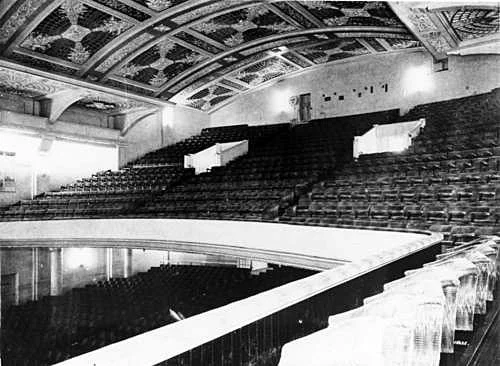
The Moth of Moonbi starred Marsden Hassall and Doris Ashwin in the leading roles. Following the production and release of the film, Hassall and Ashwin were married — a small but telling reminder that early Australian film productions were also deeply personal, human enterprises.
Such stories sit quietly alongside the films themselves, rarely recorded in detail but integral to the lived experience of Australia’s early cinema industry.

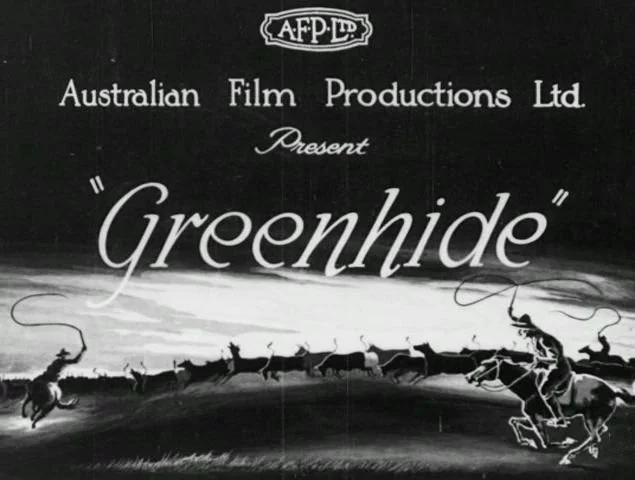
Greenhide and Chauvel’s next step
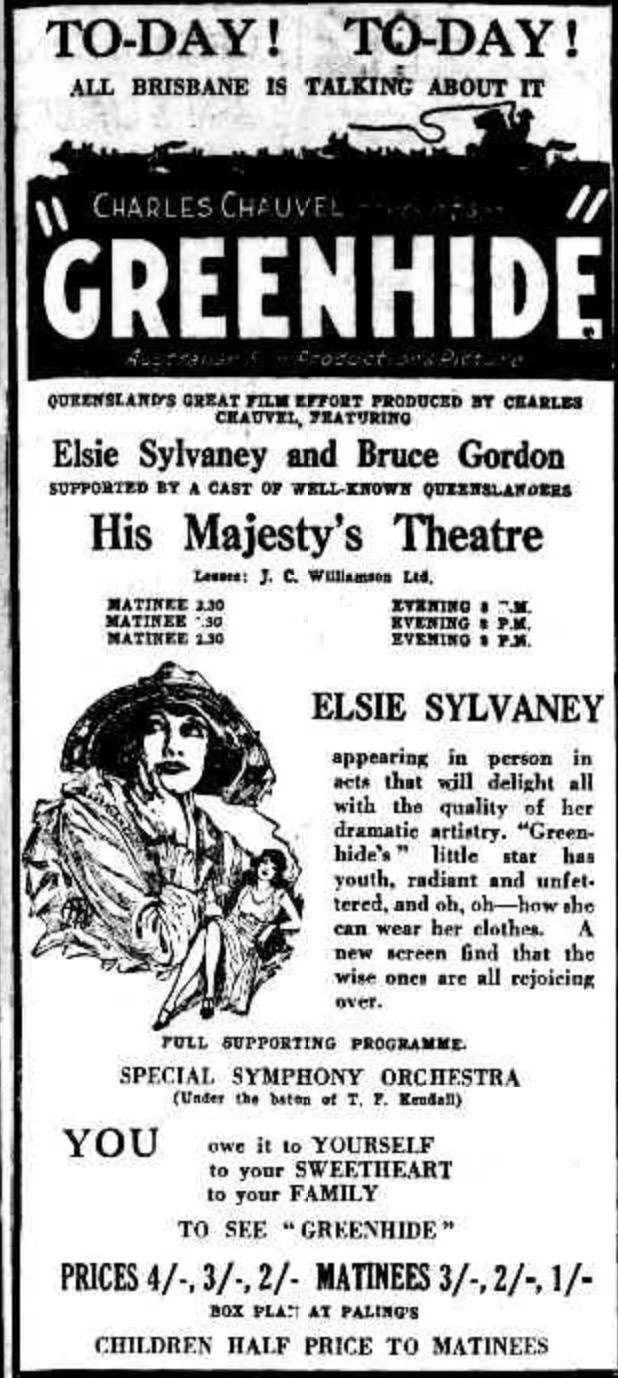
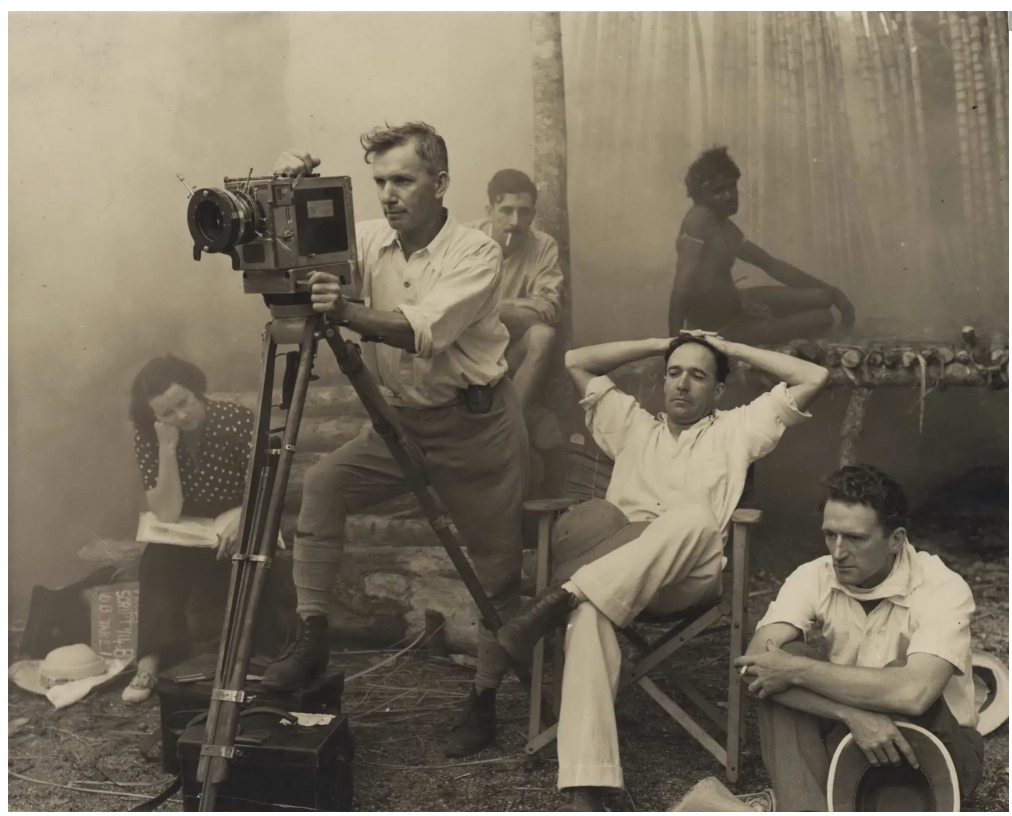
Later in 1926, Charles Chauvel completed his second full-length silent feature, Greenhide. The film marked a progression in scale and ambition and featured Elsa Sylvaney in the leading role. Following the production of Greenhide, Chauvel and Sylvaney married, beginning a long personal and professional partnership. Elsa Sylvaney went on to work closely with Chauvel across his filmmaking career, contributing not only as an actor but as a collaborator during a period when Australian cinema relied heavily on small, tightly knit creative teams.
Charles Chauvel with Elsa Chauvel, during filming of Uncivilised
Why the Brisbane screenings matter
The Brisbane screenings of The Moth of Moonbi highlight the city’s role as an active participant in Australia’s early film culture. Local audiences, local theatres and touring exhibition circuits all contributed to whether Australian films survived beyond their initial release.
Many of the theatres that once showed silent films in Brisbane have disappeared, but their role in shaping cultural life remains part of the city’s living heritage.
One hundred years on, The Moth of Moonbi offers a factual reminder of how Australian cinema was experienced — not only through filmmakers and films, but through the places and audiences that gave them life.