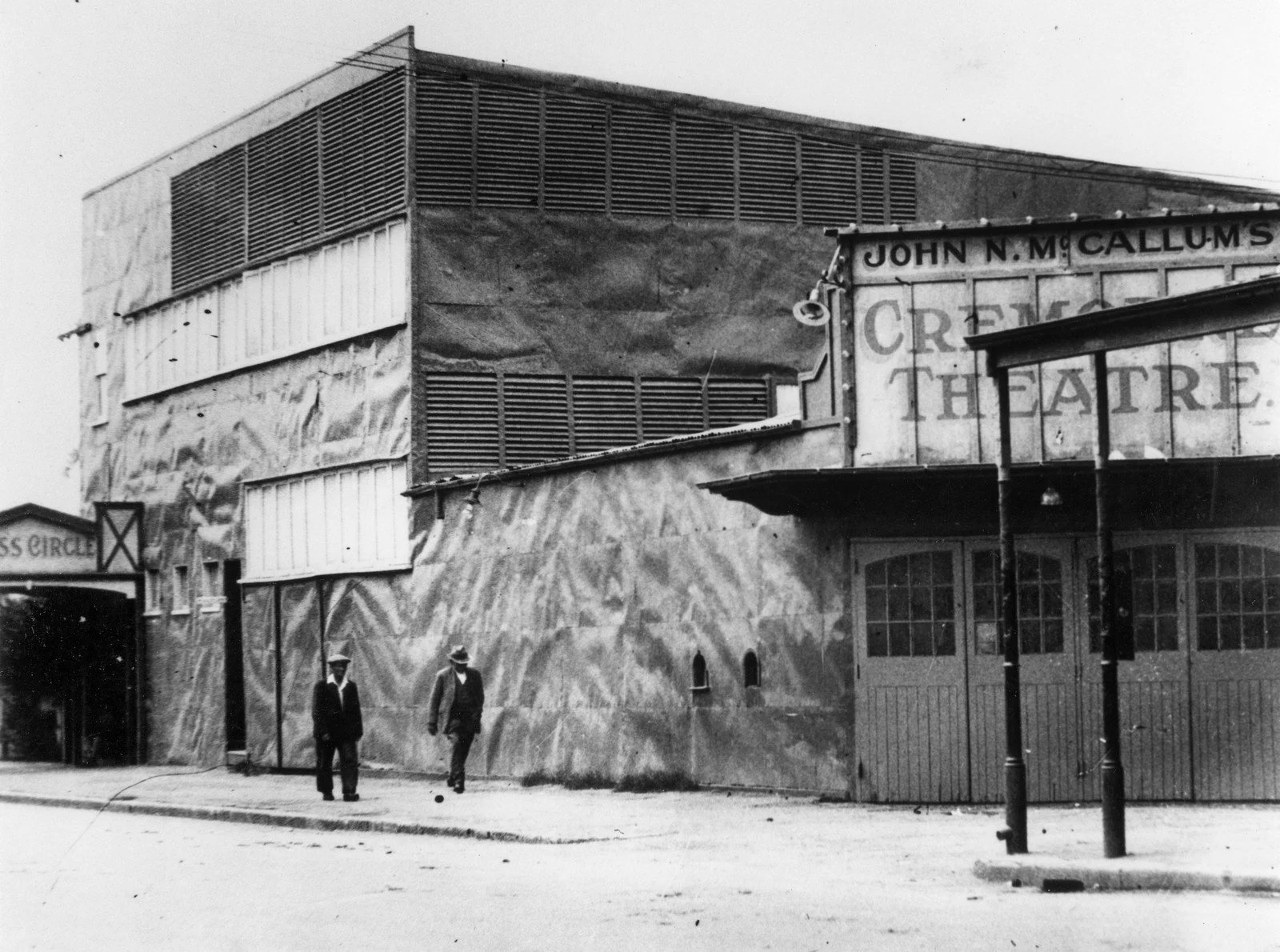
The Night the Circus Came to Town: The Forgotten Story of Cremorne Theatre on Brisbane’s Riverbank
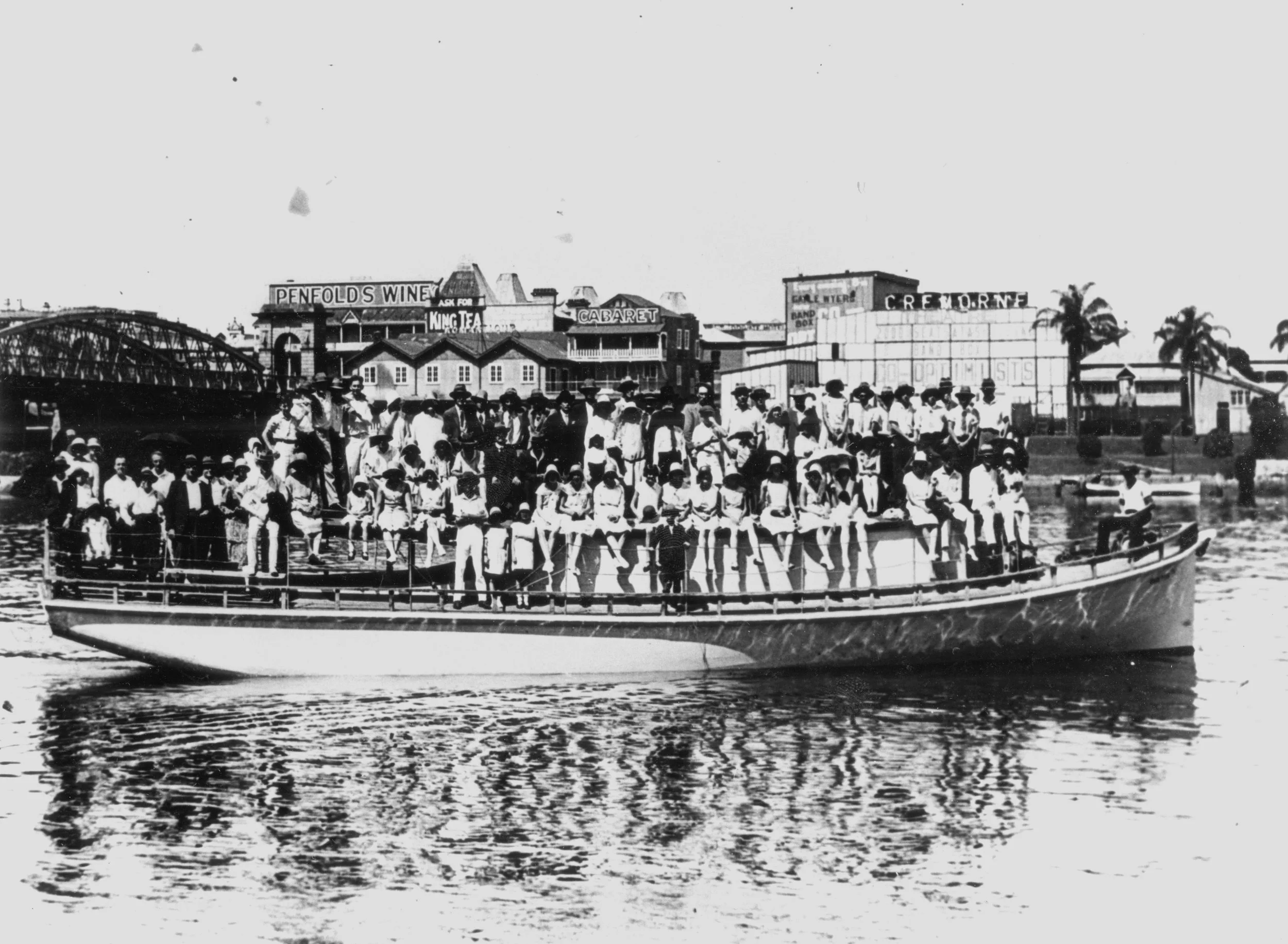
Cremorne Theatre from the river, South Brisbane, ca. 1928 (no date). SLQ
If you walk along the South Bank riverfront today, it’s hard to imagine that the site once hosted one of Brisbane’s liveliest and most eccentric entertainment venues. Long before the parklands, restaurants and ferris wheel, this stretch of the river was home to Cremorne Theatre — a bustling riverside hub of vaudeville, cabaret, circus acts, travelling performers, and musical revues.
It was loud, chaotic, glamorous, and sometimes a little outrageous. And yet, for a place that shaped Brisbane’s early nightlife, it has almost completely slipped from public memory.
A Theatre Built on Ambition (and a Floating Stage!)
Cremorne started as an open-air theatre in 1911, built right on the riverbank. Within a few years it expanded into a covered venue seating more than 3,000 people — massive by Brisbane standards at the time. Travelling performers arrived by boat. Audiences watched shows with the river glittering behind the stage. It was unlike anything else in the city.
At its peak, Cremorne hosted vaudeville stars, comedy troupes, orchestras, dancers, illusionists, and even small circus acts. A night at Cremorne was a mix of music, magic and mayhem — a place where everyday Brisbane families could escape the routine of work and rationing, especially during wartime.
A Hub of Resilience During WWII
During World War II, the theatre became a favourite spot for visiting American troops stationed in Brisbane. Performers entertained packed crowds every night, and the theatre became a symbol of resilience and escape during difficult years. Some nights were so busy that latecomers had to sit along the aisles or crowd near the back doors just to hear the music.
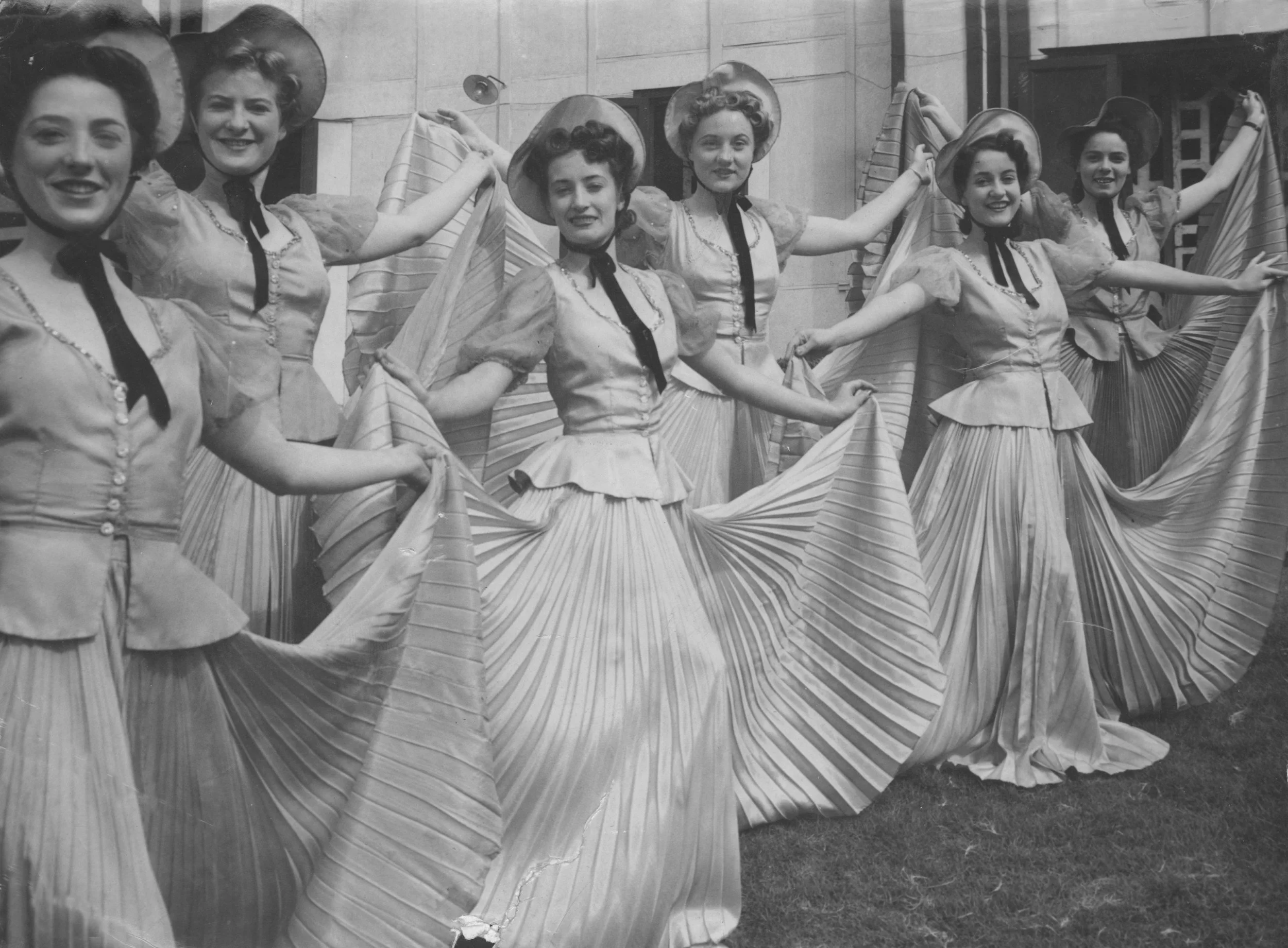
SLQ
A Dramatic End and a Quiet Disappearance
In 1954, tragedy struck when Cremorne Theatre burned down in a spectacular fire that lit up the river and drew thousands of onlookers. Nothing could be salvaged, and the site was cleared shortly after. Without a physical building, the memory of Cremorne faded quickly — absorbed into decades of redevelopment.
Today, everyone knows QPAC, South Bank Parklands and the cultural precinct. But underneath that history is an earlier story: a riverbank alive with performers, music, and the hum of Brisbane’s first real nightlife scene.
Why Cremorne Matters
Cremorne reminds us that Brisbane has always been creative, bold and a little bit daring. It challenges the idea that our city only “found its culture” in recent decades. Long before modern arts precincts, there was a theatre on the river drawing crowds, celebrating performance, and creating shared moments of joy — all from a space now walked past every day.