
Lost Stages: Brisbane City’s Cinemas & Theatres
Once, Brisbane’s city streets glowed at night with marquees, music and crowds dressed for the theatre. Along Queen Street and nearby blocks stood cinemas and theatres that shaped how Brisbane experienced culture, spectacle and entertainment. Today, most are gone — but their stories remain.
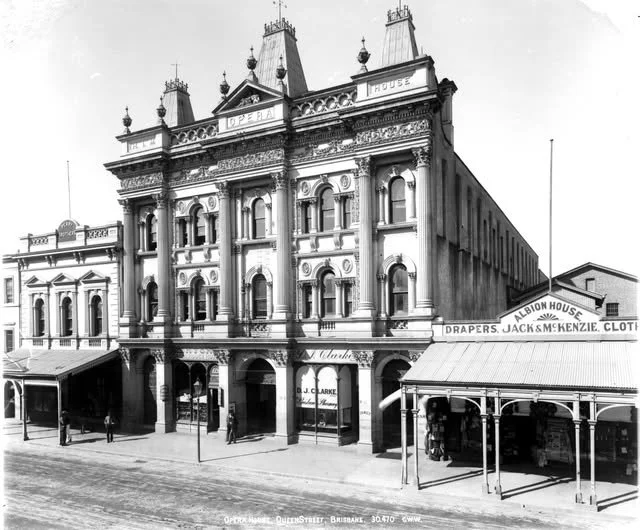
Her Majesty’s Theatre (Queen Street) opened in 1888 as Her Imperial Majesty’s Opera House and was Brisbane’s principal venue for opera, ballet and touring international productions for almost a century. Long before QPAC existed, this was where Brisbane audiences encountered grand opera and large-scale theatrical performance, firmly establishing Queen Street as the city’s cultural spine.
The Wintergarden Theatre (Queen Street) opened in 1924 as a lavish “atmospheric” cinema, designed to immerse patrons in an imagined European winter garden through architecture, lighting and décor. It became one of Brisbane’s most fashionable social destinations and remained a major draw even during the Great Depression, when cinema offered glamour and escape from daily hardship.
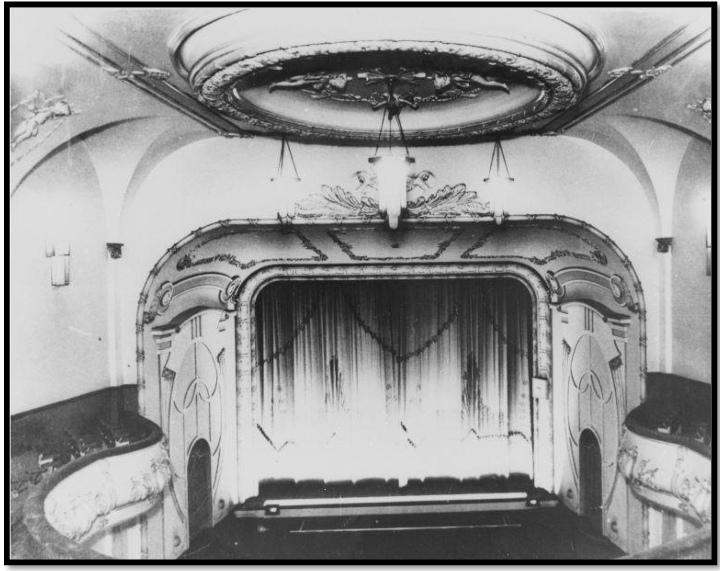
The Regent Theatre (Queen Street) opened in 1929 as Brisbane’s most opulent picture palace, seating more than 2,500 people beneath chandeliers and ornate plaster ceilings. Movie screenings were accompanied by a grand Wurlitzer organ that rose from beneath the stage, turning a night at the cinema into a formal civic event rather than casual entertainment.
The Majestic Theatre, later known as the Odeon (Queen Street), opened in 1915 and quickly became one of the city’s most popular cinemas. It played a key role in Brisbane’s transition from silent films to sound cinema in the late 1920s, drawing large crowds eager to experience the novelty of “talkies” in the heart of the city.
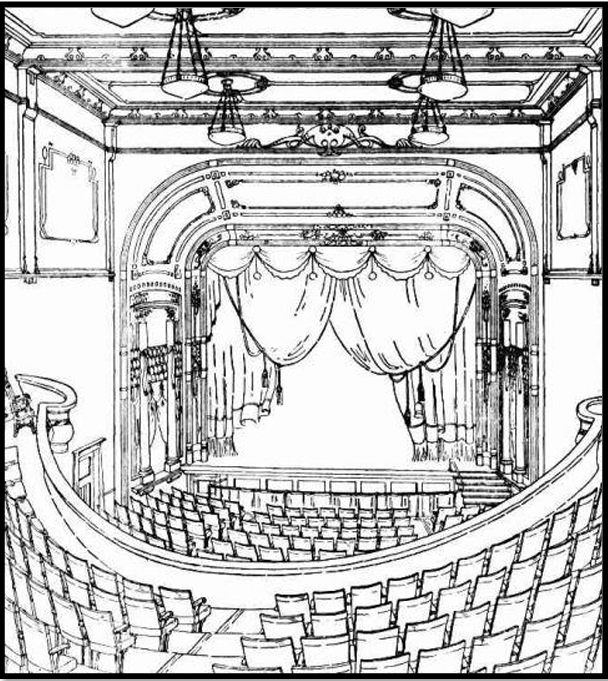
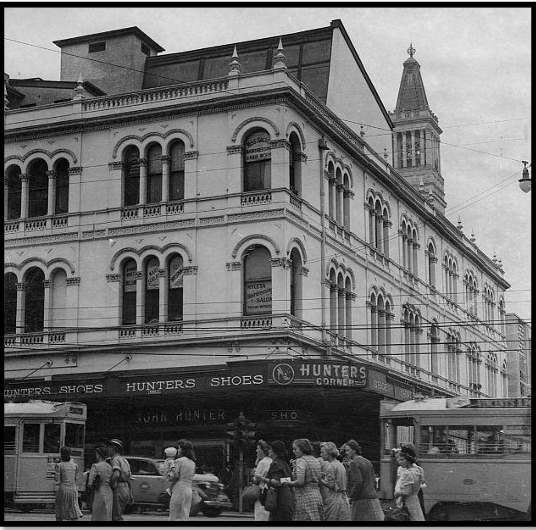
The Strand Theatre (Queen Street / Albert Street corner) was a short-lived but ambitious venture, designed and built by the same team behind the Majestic Theatre just a year earlier. Its proprietor, the formidable Mary Stuart “Señora” Spencer, converted a three-storey drapery building leased from the Cribb family into an auditorium seating a thousand across two levels. The interior featured foliated decoration, dark green velvet upholstery, enriched ceilings and gold ornament, with a central marble stairway leading to the dress circle and tip-up seating raked across the stalls — a smaller but elegant counterpart to the Majestic, reflecting Spencer’s pioneering vision in Brisbane’s early cinema scene.
West’s Olympia Theatre (Queen Street) was one of Brisbane’s early purpose-built cinemas, operating in the first decades of the 20th century when film was emerging as a mass entertainment form. The Olympia was closely associated with entrepreneur James West, whose chain of theatres helped normalise cinema-going as an everyday urban activity rather than a novelty attraction.
The Pavilion Theatre (Queen Street) Designed by Architect G H M Addison (The Old Museum etc) functioned as both a cinema and live performance venue during the early 1900s, reflecting the fluid boundaries between film, vaudeville and theatrical entertainment at the time. Its name evoked leisure and refinement, and it formed part of a dense cluster of venues that made Queen Street one of the most entertainment-rich streets in Australia.
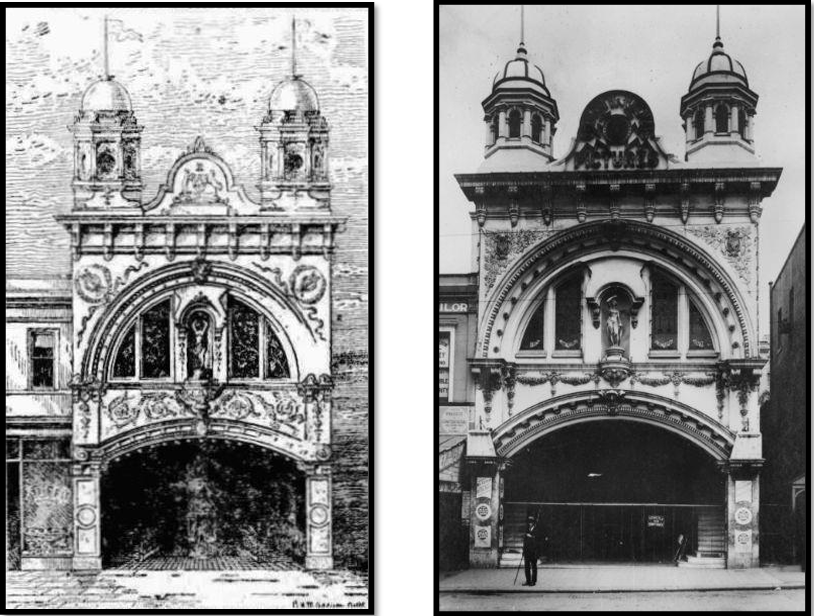
Perspective drawing by GHM Addison
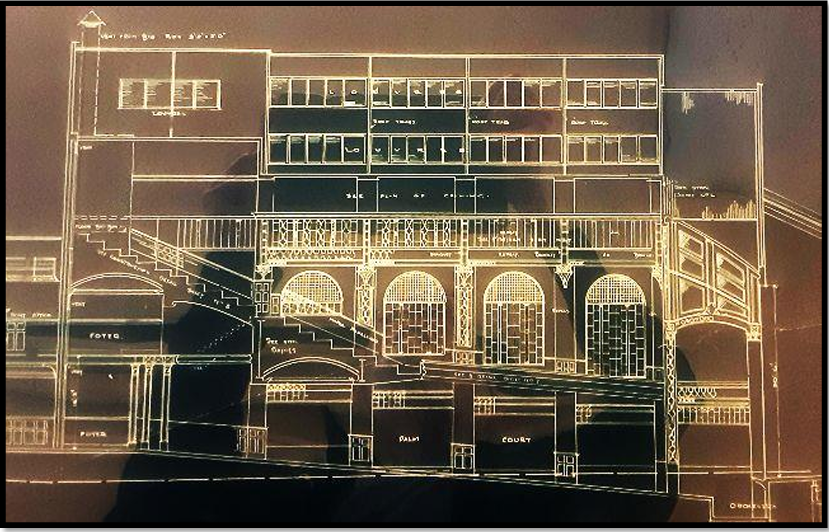
The Tivoli Theatre (Albert Street, near today’s King George Square) opened in 1915 as Brisbane’s premier vaudeville and variety theatre. Designed by theatre architect Henry E. White, it featured an innovative rooftop auditorium and hosted international performers whose acts blended comedy, music, acrobatics and satire, introducing global entertainment trends to Brisbane audiences well before television.
The biggest tragedy in Brisbane’s theatre history was the loss of Her Majesty’s, the Wintergarden, the Odeon and the Regent, not because audiences disappeared or these venues lost popularity, but because major urban redevelopment reshaped the city. Their sites were cleared for the construction of the Wintergarden Centre and associated hotel developments, including the Hilton, transforming Queen Street from a dense cultural strip into a pedestrian retail mall with little to show of its vibrant theatrical past.
Many images found on Trove, and on following article: Queen Street, 1901-1941 A Catalogue of Buildings Erected in Brisbane's Main Thoroughfare from Federation to the Second World War by John W. East