
Spring Hill’s 19th-Century Heritage: Five Buildings That Tell Brisbane’s Early Story
Spring Hill is Brisbane’s oldest suburb, and its streets still hold stories from the 19th century. From humble workers’ cottages to grand stone structures, these buildings show how Brisbane grew from a fledgling colonial town into a thriving city. Here are five early buildings that capture the suburb’s heritage and character.
1. The Old Windmill (226 Wickham Terrace, Spring Hill)
Built in 1828 by convicts, Brisbane’s Old Windmill is the city’s oldest surviving structure. Originally used for grinding grain and later as a signal station, its thick stone walls and hilltop position speak to a time when the colony was small, isolated, and focused on survival. The Windmill remains a striking landmark and a tangible link to Brisbane’s earliest days.
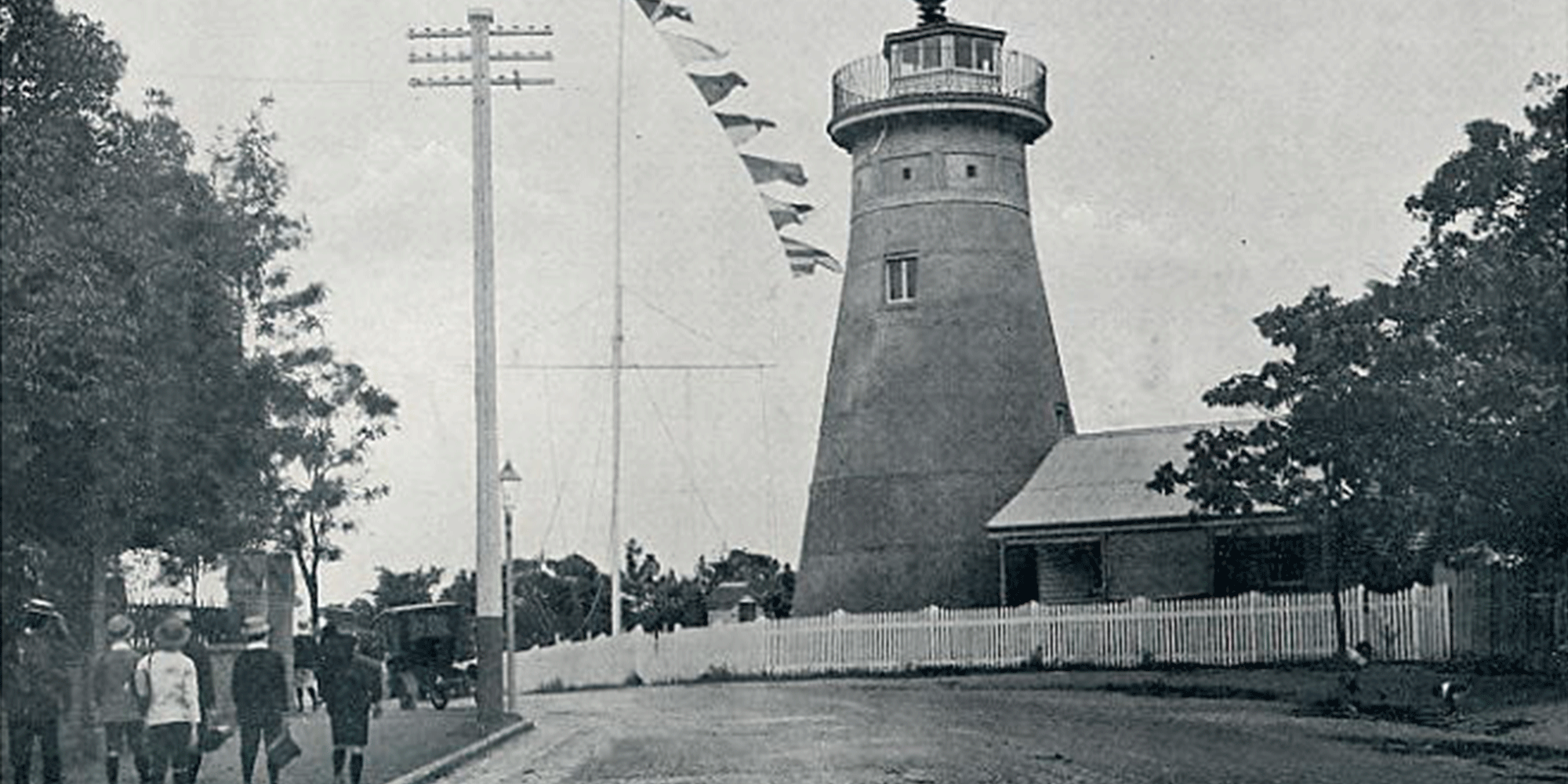
courtesy Brisbane City Council
2. McWhinney’s Brick Cottage (47–55 Birley Street, Spring Hill)
Dating from the 1860s, McWhinney’s Brick Cottage is one of Spring Hill’s earliest homes. Unlike timber dwellings of the era, its brick construction shows a desire for permanence and reflects early residential life for middle-class families. Its modest size and simple design give a glimpse into the day-to-day life of Brisbane’s early residents.
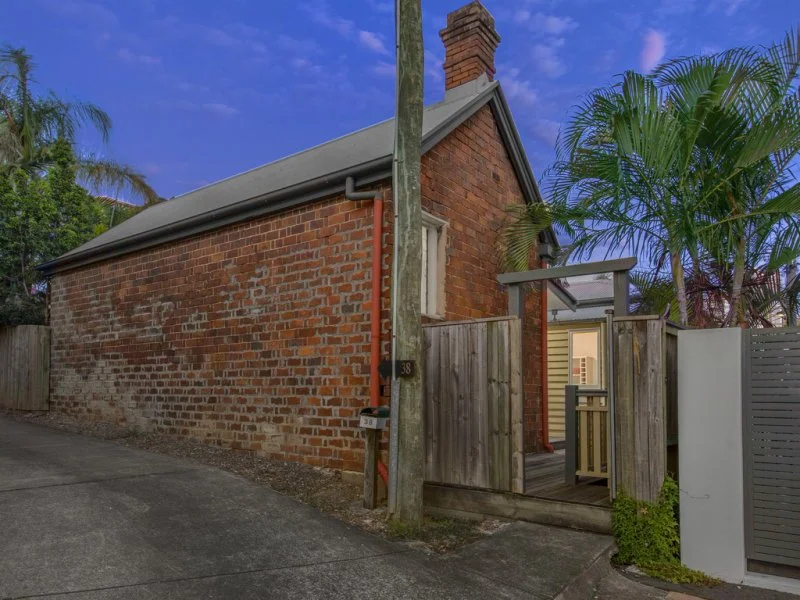
McWhinneys Brick Cottagehttps://www.baarchitects.com.au/
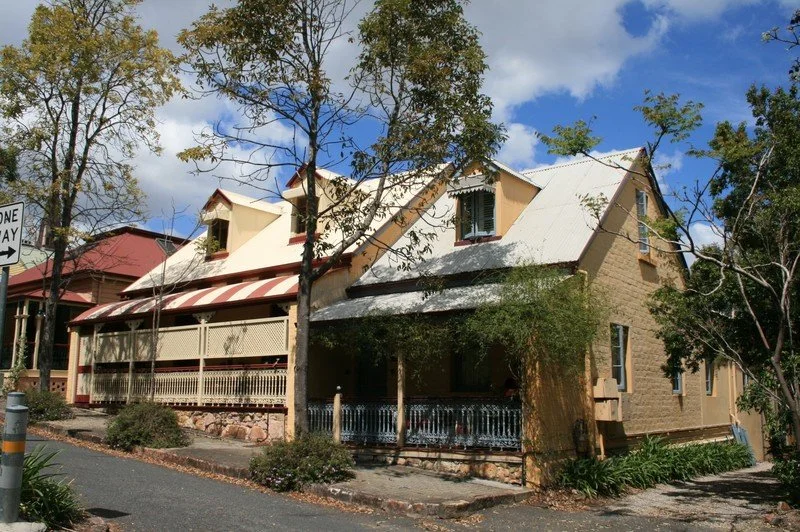
3. Moody’s Cottages (8–12 & 16 Victoria Street, Spring Hill)
These brick and stone cottages, built in the 1870s, were working-class homes and are among the few surviving examples of inner-city terrace-style housing in Brisbane. They reveal how early settlers adapted European housing styles to Queensland’s climate and materials, with practical features like high ceilings and shaded verandahs.
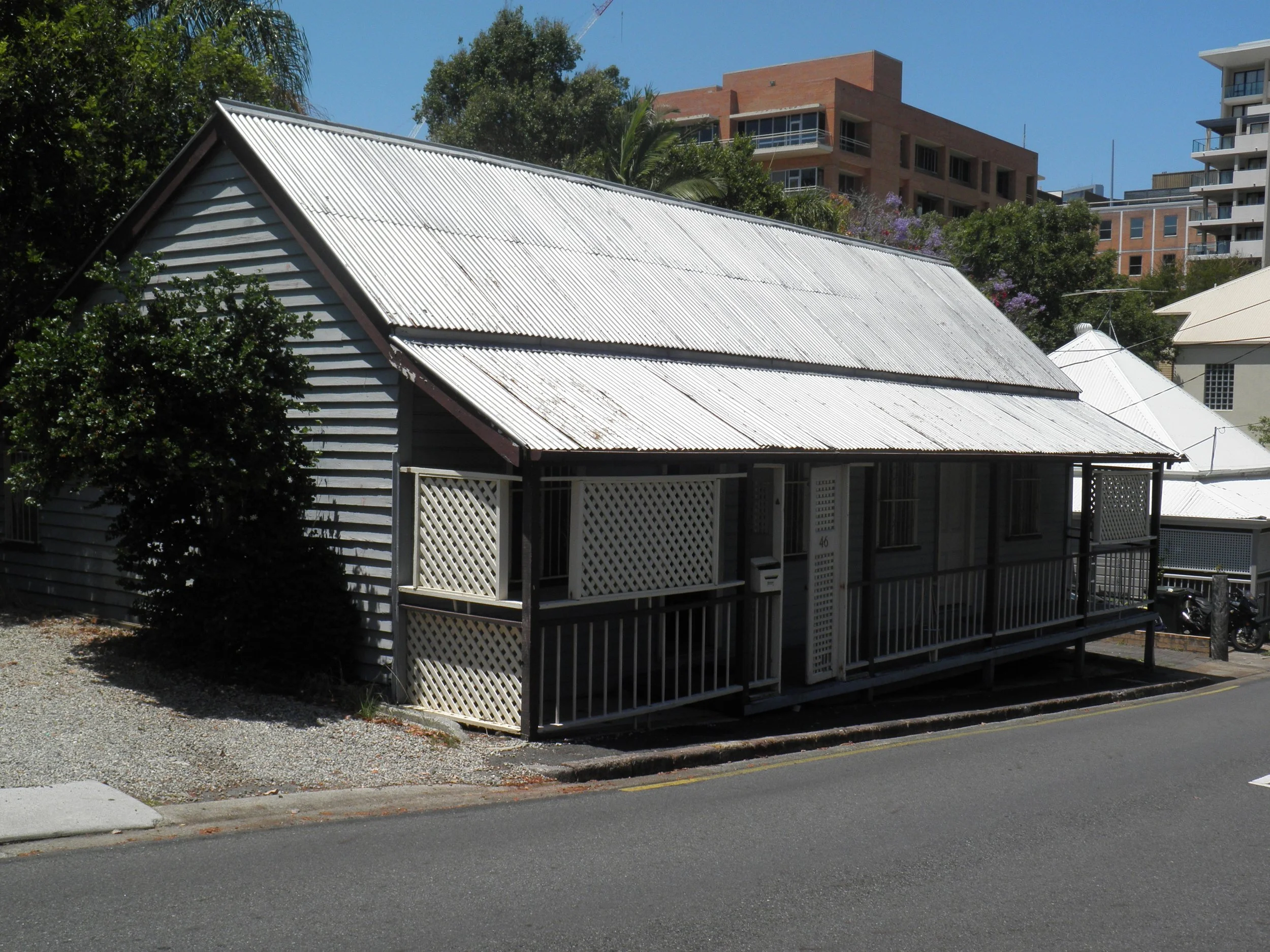
4. Kelly’s Duplex (46 Birley Street, Spring Hill)
A rare example of a 19th-century timber duplex, Kelly’s Duplex was built in the early 1870s for grocer Daniel Kelly. This Georgian-style working-class home demonstrates how Spring Hill’s early lots were subdivided to accommodate multiple families, and it remains an enduring example of modest, practical design from the era.
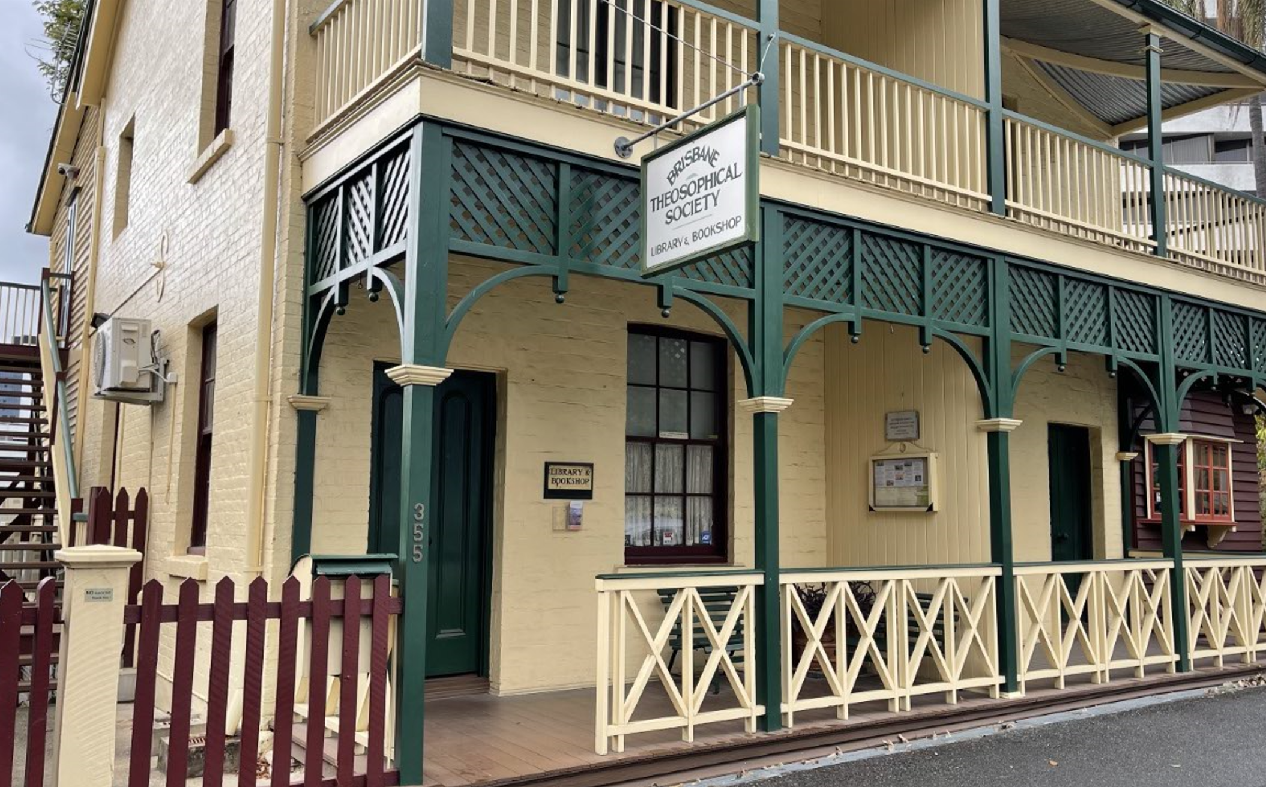
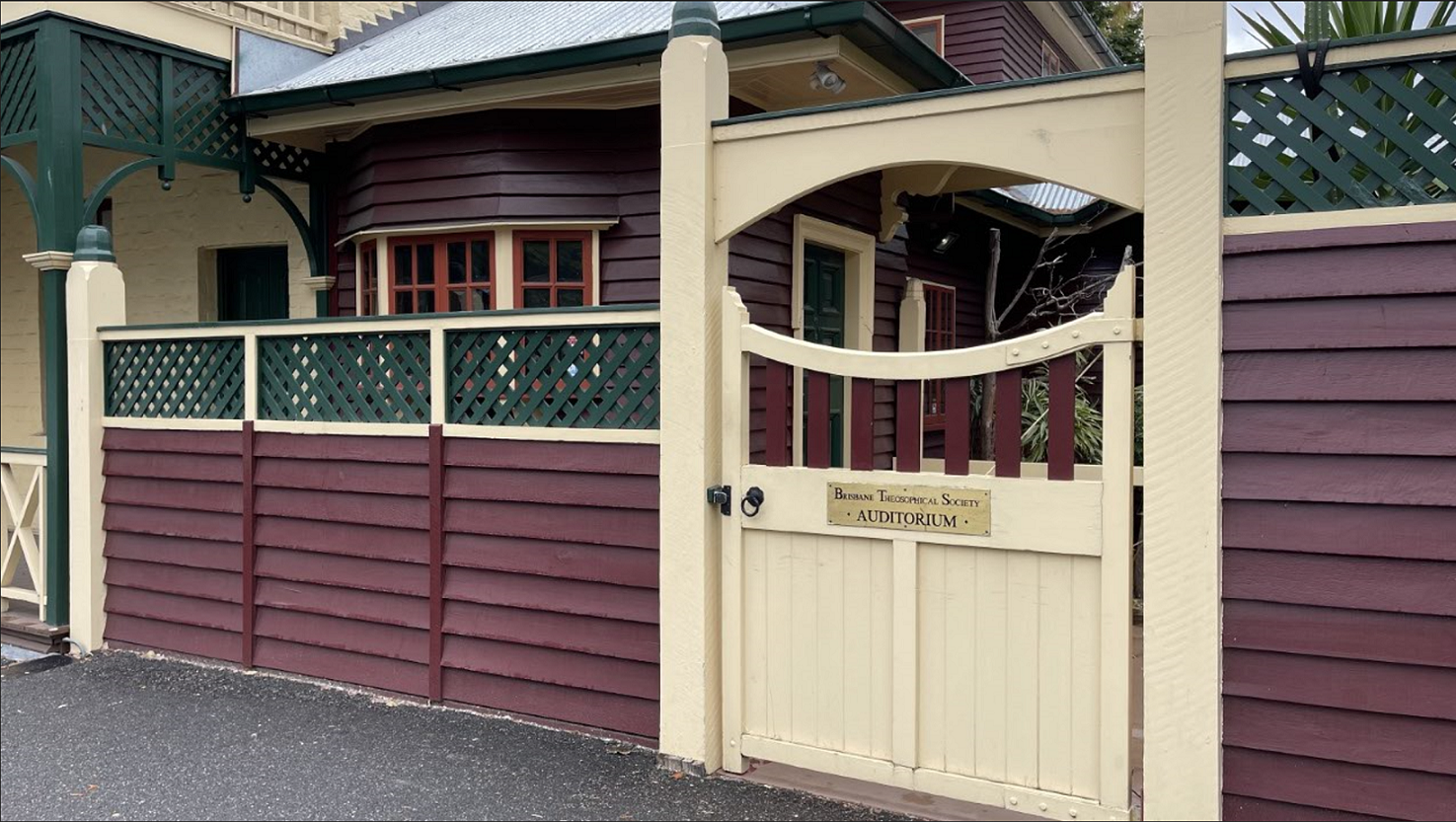
5. Brisbane Theosophical Society Building (355 Wickham Terrace, Spring Hill)
This pair of semi-detached houses was built between late 1863 and early 1864, likely by the first owner Patrick Mayne, or possibly for the second owner, John McNab. They were advertised for rent in January 1864 as “newly erected … containing five rooms and kitchen.”
Over the years, the houses had several notable residents, including Primitive Methodist minister Joseph Buckle. By 1883, the building was known as Callender House.
In 1910, Dr Espie Dods bought the property, and his architect brother Robin renovated and extended it to serve as both a home and consulting rooms — reflecting the medico-residential character of Wickham Terrace at the time.
The Brisbane Theosophical Society purchased the property in 1925. Minor alterations were carried out then, with major conservation work undertaken in 1986–87. Today, it stands as a significant piece of Spring Hill’s history, linking the suburb’s early residential and community life.
Why These Buildings Matter
Each of these five buildings tells a different story — survival, family life, community, spirituality, and adaptation. Together, they form a snapshot of Spring Hill’s early years and offer a window into Brisbane’s 19th-century society. Protecting and celebrating these structures helps keep the city’s history visible in our modern streetscape, reminding us that heritage is a living, evolving part of Brisbane.