Hands that Built the City: Brisbane’s Forgotten Stonemasons & the Craft of Tuff
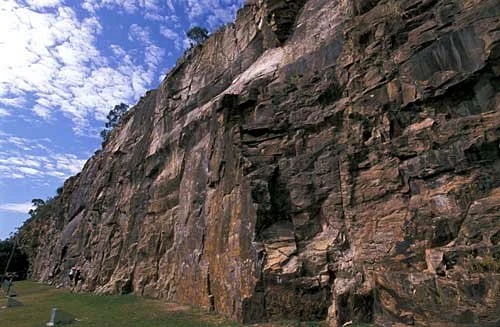
Brisbane has a very distinctive look, thanks in part to the rough pinkish stone you see in old retaining walls, church bases, kerbs and civic buildings. It’s Brisbane tuff—volcanic, hard, and famously stubborn to work with.
Behind those stones were the stonemasons, craftspeople who shaped the early city block by block.
A Stone That Demands Skill
Brisbane tuff is strong, mottled and unpredictable. One wrong strike and the entire piece can fracture. The masons had to “read” the stone—understanding where it would split cleanly and where it wouldn’t. It was slow, precise, physical work.
Where the Work Happened
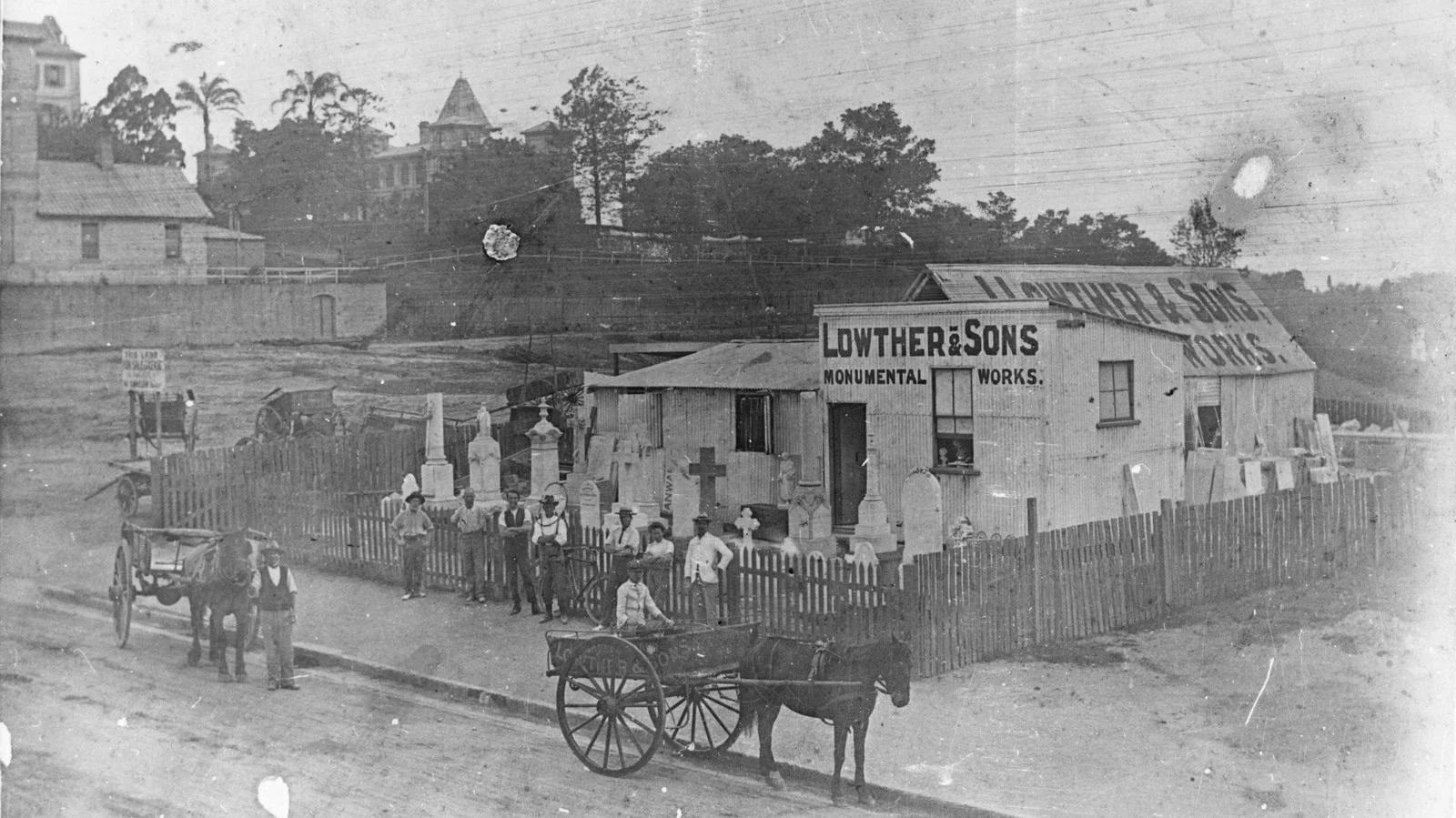
In the 1800s and early 1900s, stoneyards were scattered across the city—Fortitude Valley, Petrie Terrace, Kangaroo Point and the CBD fringes. They were busy, noisy places filled with apprentices, dust, and the constant ring of steel on stone.
These yards supplied everything: kerbstones, steps, decorative lintels, foundations, monuments, and building blocks.
Stonemasons Who Shaped Brisbane
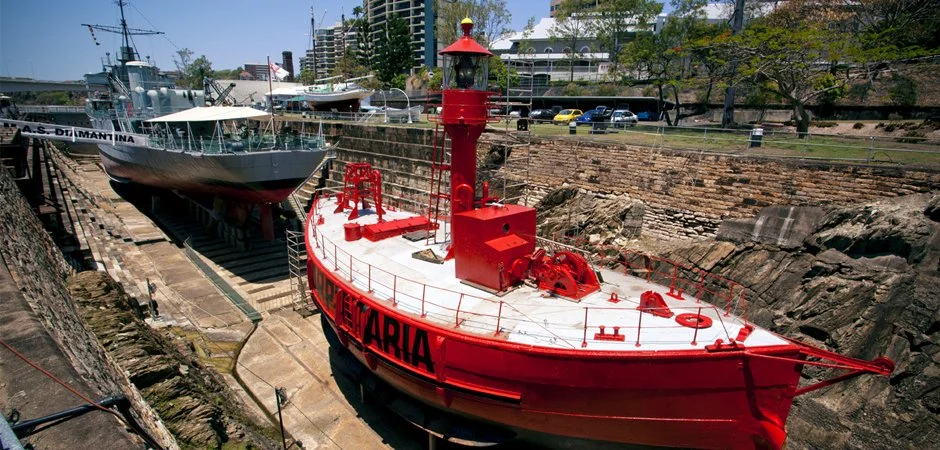
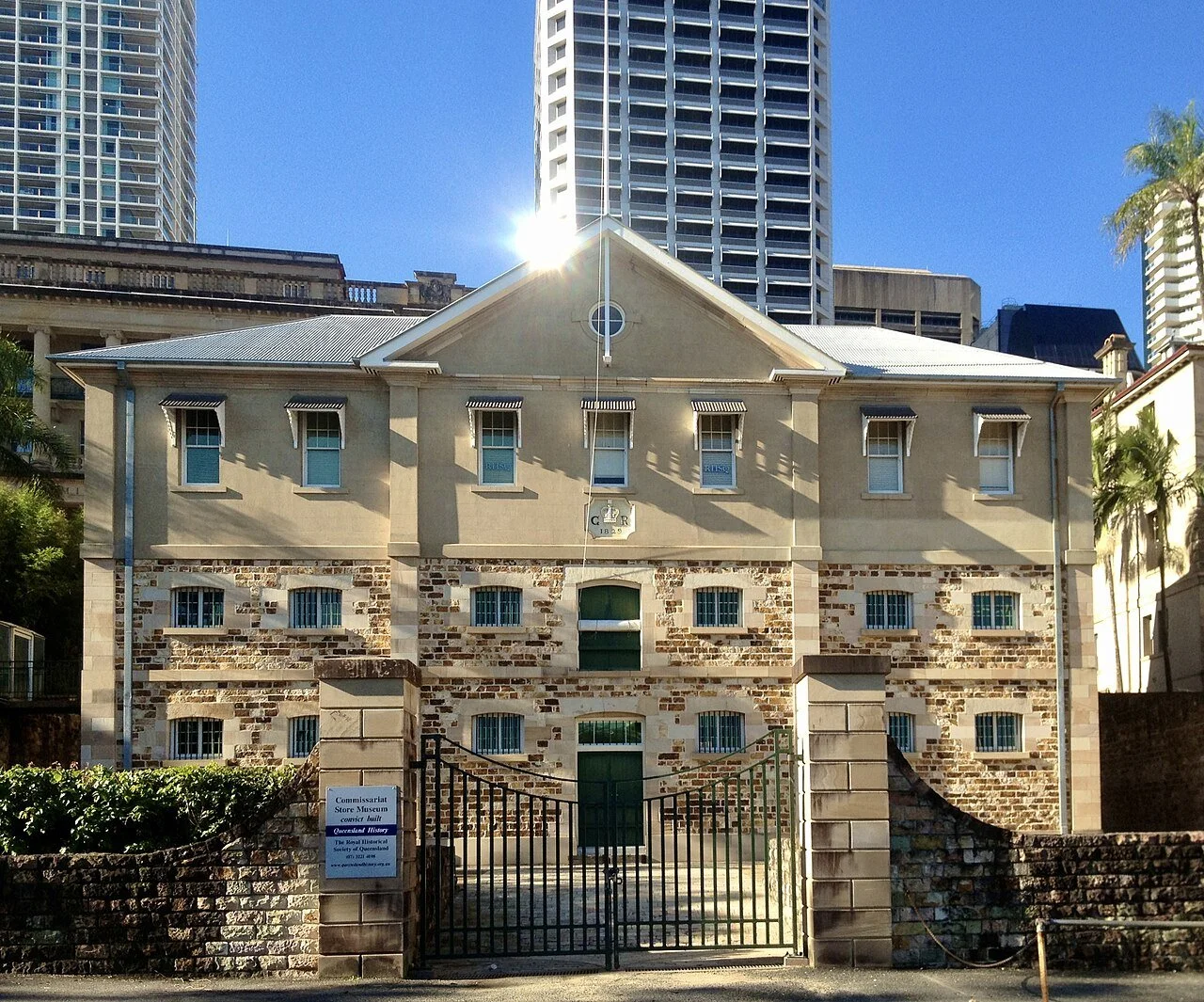
Many of Brisbane’s earliest buildings carry the mark of these artisans. Some of the most significant include:
Parliament House walls
The Commissariat Store
Early kerbing across the CBD
Church and civic boundary walls
The South Brisbane Dry Dock
Each stone was cut, lifted and set by hand—no cranes, no modern saws, just skill and sheer strength.
Chris Olszewski - Own work
A Craft at Risk of Disappearing
By the mid-20th century, concrete and mass production pushed the trade aside. Stoneyards closed and formal apprenticeships dwindled. Today, only a small number of craftspeople still know how to work Brisbane tuff using traditional methods.
But heritage restoration work is slowly bringing the craft back into focus. When a tuff wall needs repair, we need artisans with the same skills as those who built it—because their knowledge is part of Brisbane’s heritage too.
References
Evans, Raymond. A History of Queensland.
Queensland Heritage Register: Parliament House & Commissariat Store entries.