Kurilpa: The Story Beneath the Bridges – A Cultural Landscape of the Turrbal and Yuggera Peoples
Kurilpa is one of those places Brisbane thinks it knows—South Brisbane, West End, the cultural precinct, the riverbank walks. But beneath the bridges, galleries and cafés is a much older story. The Turrbal and Yuggera peoples have walked, gathered and cared for this stretch of Maiwar for thousands of years, long before the modern city took shape.
The River as a Living Presence
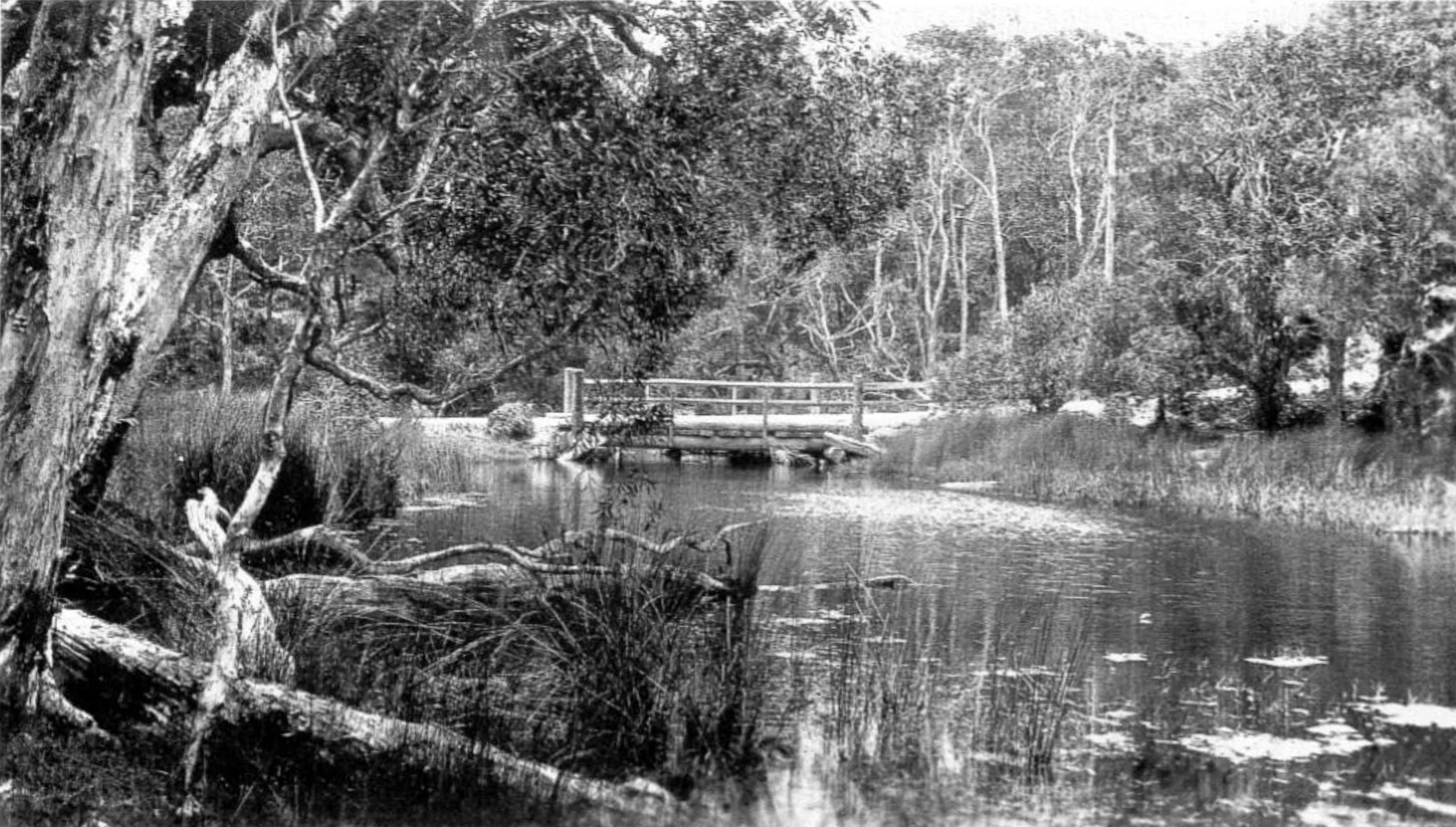
For local First Nations communities, the Brisbane River isn’t simply water. It’s a living part of Country—something that holds memory, law and spirit. Kurilpa sits on a gentle bend where fresh and saltwater meet, creating rich wetlands filled with fish, shellfish, reeds and wildlife.
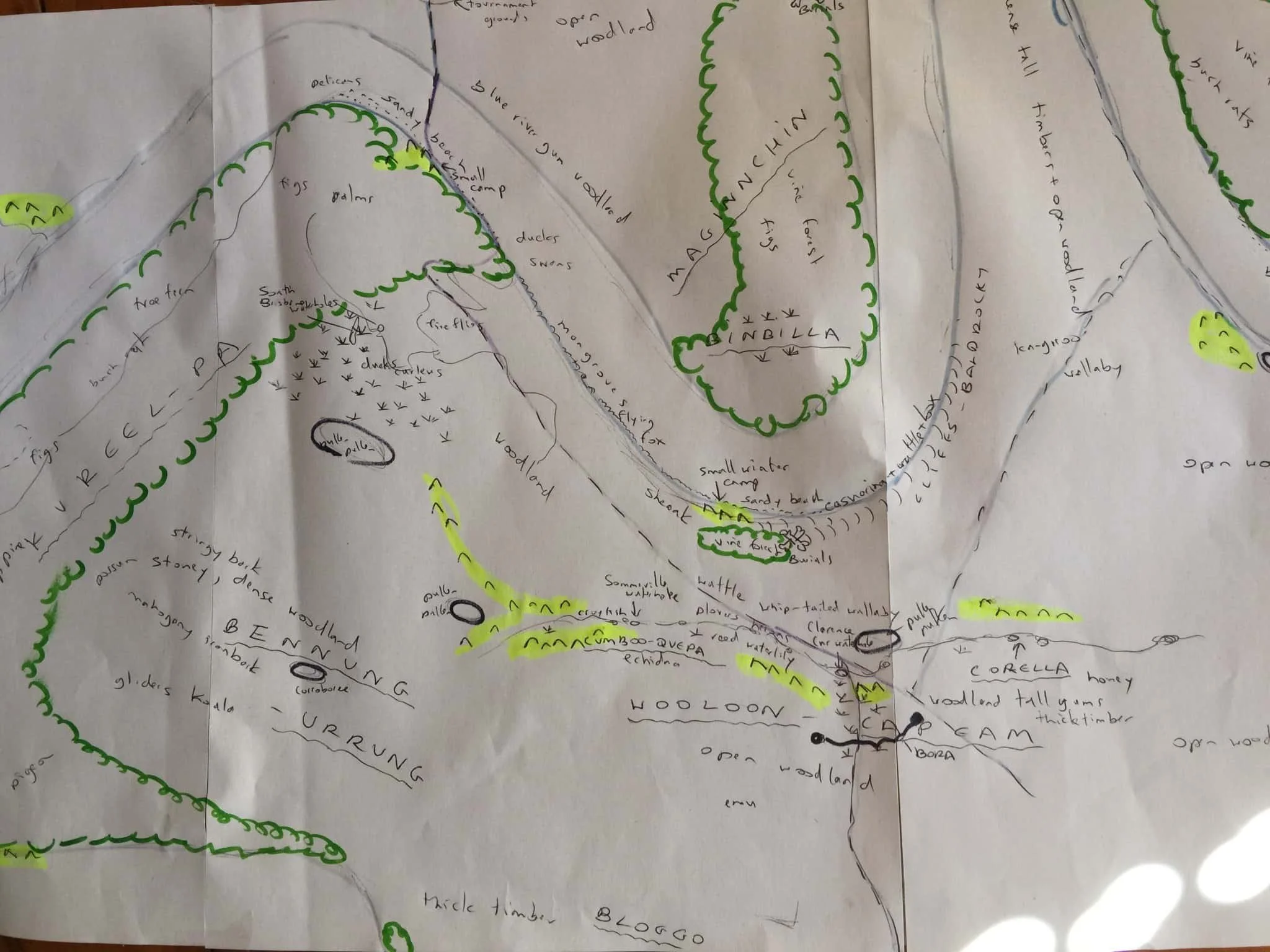
The name itself comes from the kuril, the native water rat. Its presence was a sign of healthy riverbanks, and it appears in stories connected to place. This whole area was a living map; every track, midden and seasonal change told people what the land needed.
A Meeting Place Long Before the City
Kurilpa was a natural gathering place. Families travelled here to fish, trade, share news and maintain kinship ties. Long trade routes passed through—carrying stone tools from inland, ochre from the north, and shell pieces from the Bay.
It was a busy, social, interconnected cultural space where community life thrived.
Colonial Disruption
With settlement came rapid disconnection from Country. Campsites were pushed back, wetlands were drained, and fishing grounds restricted. Despite this, Turrbal and Yuggera families stayed connected to Kurilpa in whatever ways they could—through ceremony, language, and the quiet passing of knowledge between generations.
Cultural Renewal Today
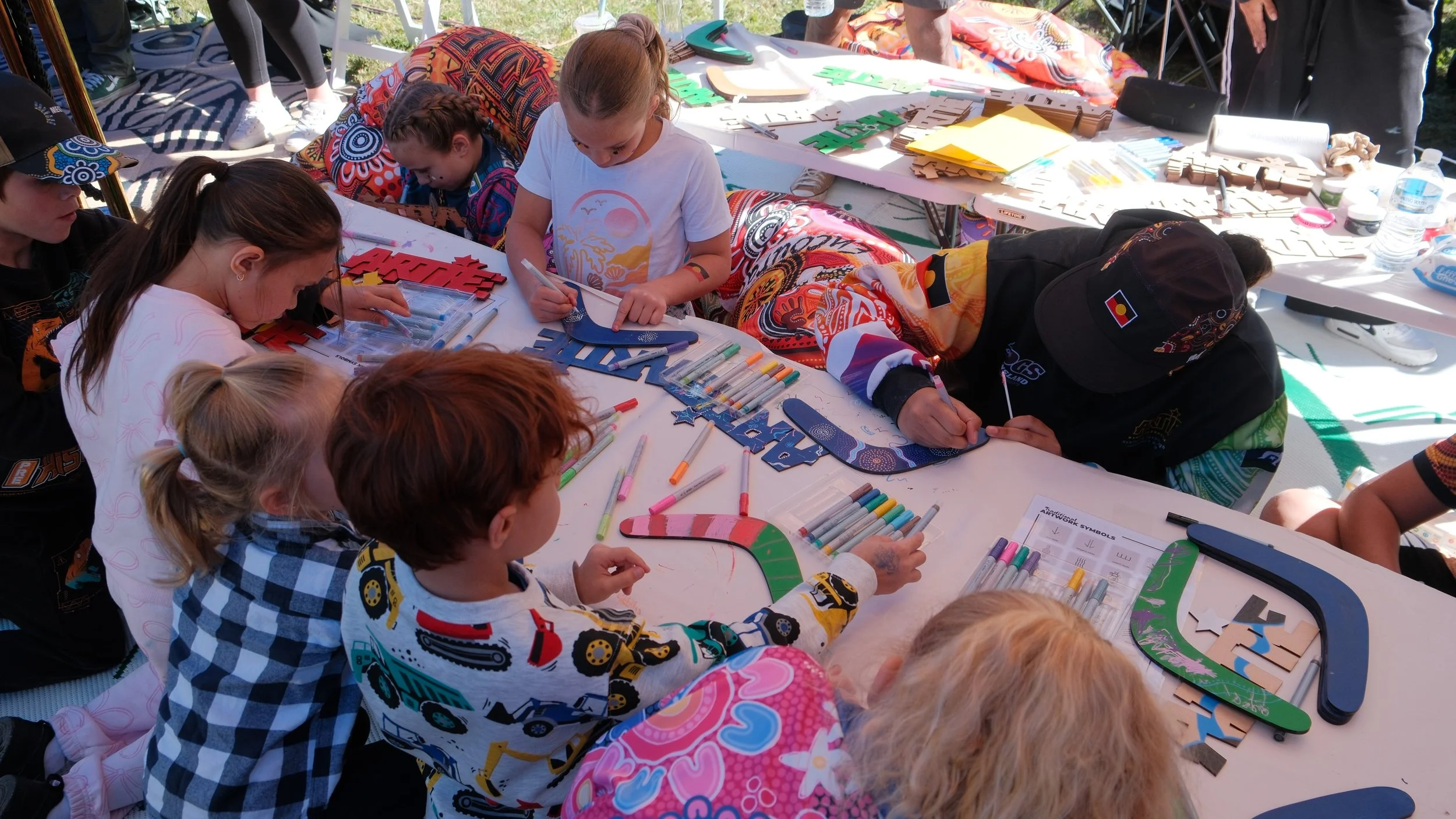
Kurilpa remains an important cultural landscape. You’ll see this in community gatherings, smoking ceremonies, weaving workshops, and river-focused programs led by local Elders and organisations. The stories of Kurilpa are still here—alive, relevant, and deeply woven into the identity of Brisbane.

References
Turrbal Traditional Owners: Cultural Knowledge Overview (Turrbal Association).
Watson, Joanne. Palm Island: Through a Long Lens.