
Three Women of 19th Century Brisbane.- The Curator, the Unionist and the Journalist
When we think about Brisbane in the late 1800s, it is often the men who appear first in the story — politicians, businessmen, architects, pastoralists and public figures. But women were working, building careers, organising, collecting, writing and contributing to the growing city as well.
Some of these women became well known in their own time. Others were recognised within their particular fields but have since almost disappeared from the broader history of Brisbane. Mary Hannay Foott, Elizabeth Coxen and Emma Miller came from very different backgrounds and worked in very different fields. Their stories give us three glimpses of a Brisbane that was changing rapidly.
Mary Hannay Foott
Journalist and editor, The Queenslander
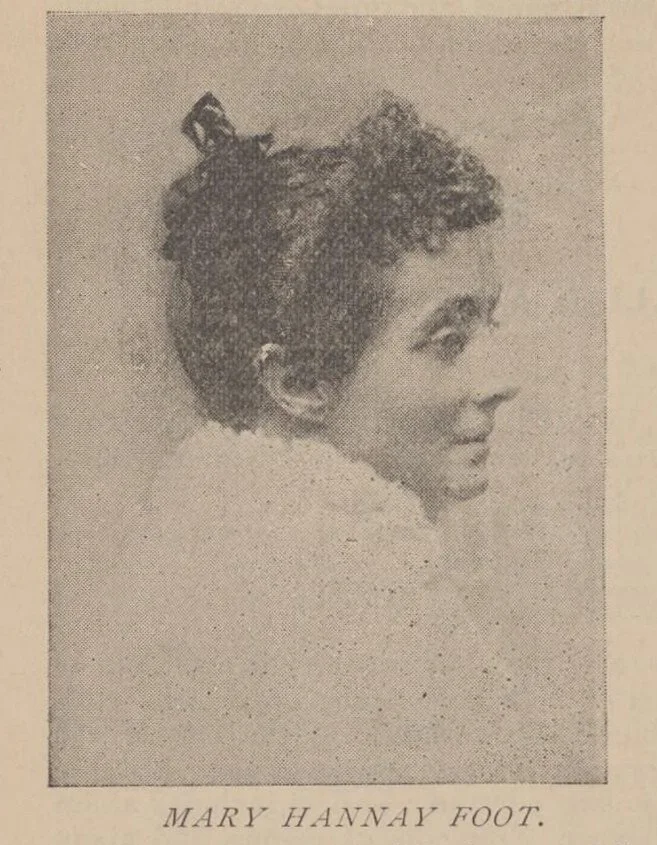
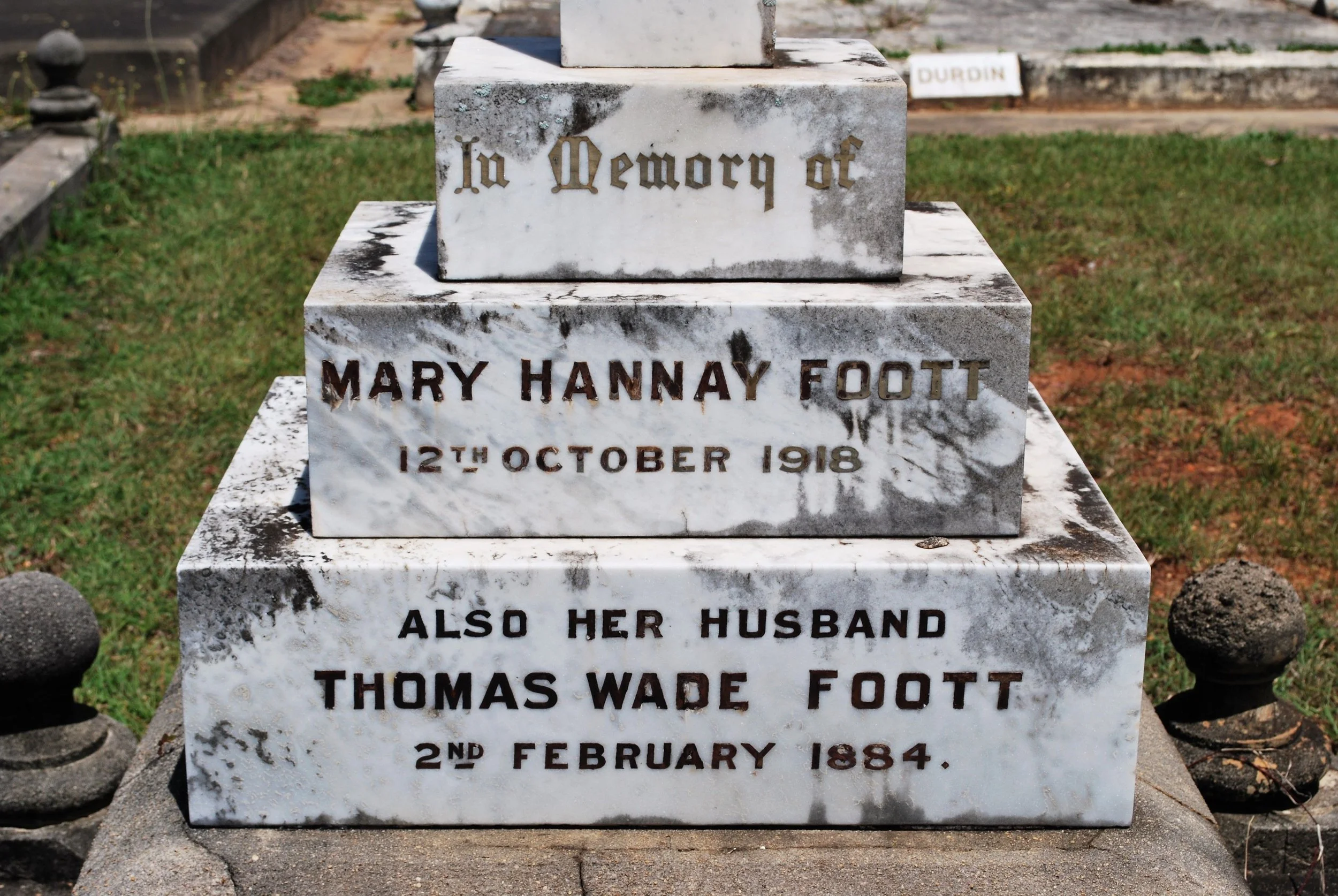
Mary Hannay Foott came to Brisbane in the 1880s and built a career as a writer and journalist at a time when opportunities for women were limited. In 1886 she became editor of the women's pages of The Queenslander, one of Queensland's major newspapers. She wrote under the name La Quenouille, and her work covered literature, society, education and matters affecting women. She was also a poet and author, so journalism was only one part of her working life. Her position gave her a place within Brisbane's growing newspaper and literary world. (Australian Dictionary of Biography)
There is also an interesting personal story behind the career. Mary had been widowed and had two sons to support, and writing and teaching became important parts of how she made her living. Her office was in the new Courier Building in Queen Street, placing her right in the middle of Brisbane's expanding commercial centre. For a woman to have a professional role in a major newspaper in the 1880s was unusual, but Mary was not simply a contributor. She was responsible for a section of the paper and developed a readership of her own. Her story gives us a glimpse of the growing number of educated women looking for professional work in Brisbane. (State Library of Queensland)
Elizabeth Coxen
Naturalist and curator, Queensland Museum
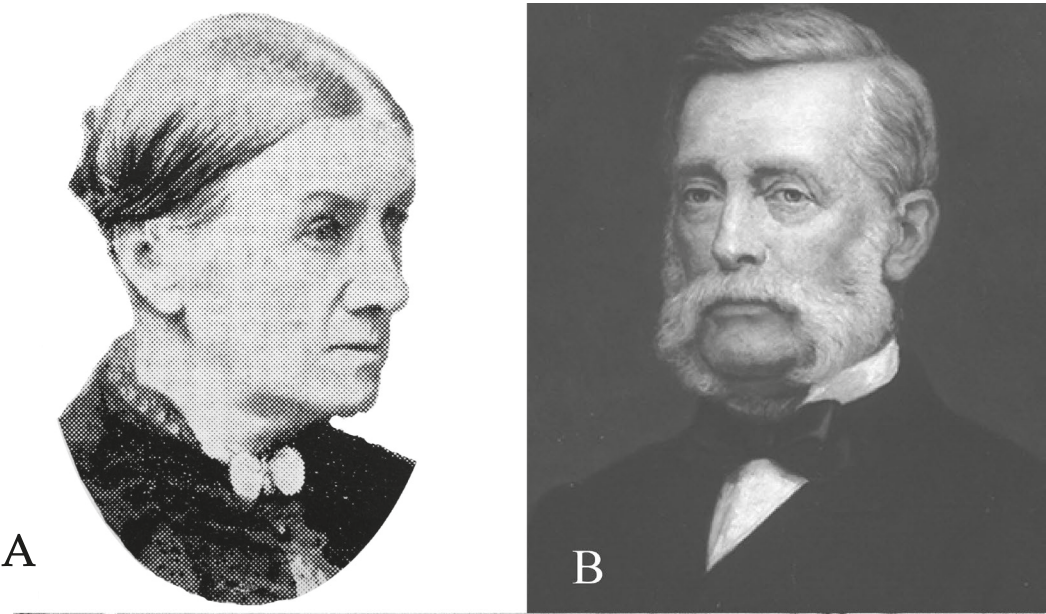
Elizabeth Coxen's working life was very different. Born in England in 1825, she came to Australia and married naturalist Charles Coxen, who was closely involved in the establishment of the Queensland Museum. Elizabeth shared his interest in natural history, but her own contribution was much greater than the traditional description of her as the wife of a naturalist suggests. She collected shells, birds and insects, studied molluscs, kept meteorological records and developed a reputation within Brisbane's scientific community. (Memoirs of the Queensland Museum – Nature)
After Charles died in 1876, Elizabeth continued her scientific work. In 1877 she became the Queensland Museum's first woman curator, working with its mollusc collection, and was the first person to be paid to oversee part of the museum's invertebrate collections. In 1886 she became the first woman elected to membership of a scientific organisation in Queensland. Her work was not simply about collecting specimens; she corresponded with naturalists, recorded and documented collections and contributed to the growing body of scientific knowledge about Queensland.
Elizabeth's story is particularly interesting because much of her work was carried out alongside that of her husband and was consequently overshadowed by his reputation. Modern research into her life has shown that she was a significant naturalist in her own right. She died in Brisbane in 1906 and is buried at Tingalpa with Charles. There is a good Brisbane connection here too: the early Queensland Museum moved through several locations in the city during Elizabeth's lifetime, from the Windmill on Wickham Terrace to Queen Street, William Street and eventually the Exhibition building. (Queensland Museum)
Elizabeth Coxen, Charles Coxen
Emma Miller
Seamstress and labour organiser, Brisbane
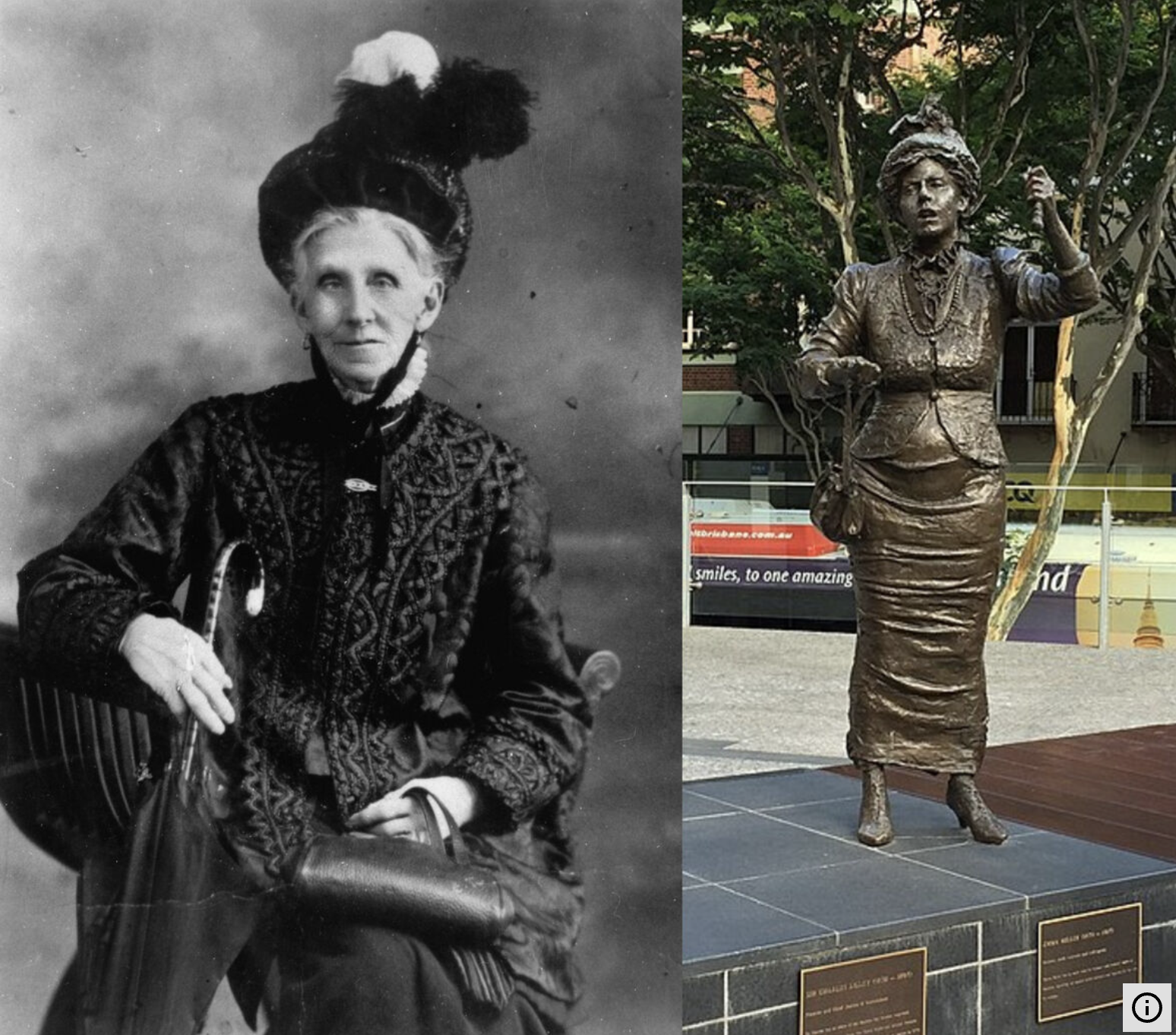
Emma Miller arrived in Brisbane in 1879 and worked as a seamstress and shirtmaker. Before coming to Queensland she had already experienced a hard working life, sewing for long hours to support her family. In Brisbane she became increasingly involved in the problems facing working women. In 1890 she helped form a women's workers' union, and in 1891 she gave evidence to the Royal Commission into Shops, Factories and Workshops, speaking about the conditions in the tailoring and shirtmaking trades. (State Library of Queensland)
Emma did not stop at speaking about working conditions. She became involved in the wider labour movement, campaigned for equal pay and better opportunities for women, and played a major role in the campaign for women's suffrage in Queensland. She became the first woman member of the Brisbane Workers Political Organisation and later worked as an organiser for the Australian Workers' Union. Her political activity took her well beyond Brisbane, including travelling west to organise workers. (Australian Dictionary of Biography)
What makes Emma's story different from many of the better-known political stories of the period is where she started. She was not a politician, a wealthy reformer or a member of Brisbane's establishment. She was a working woman who understood the problems of low wages and poor conditions because she had experienced them herself. Her evidence to the 1891 Royal Commission gives us a rare first-hand view of the working conditions faced by women in Brisbane at the time.
Sculpture in King George Square Brisbane
Three women, three working lives
Mary Hannay Foott, Elizabeth Coxen and Emma Miller lived in the same broad period, but their Brisbane was not the same Brisbane. Mary worked among newspapers and writers in Queen Street; Elizabeth was part of the city's emerging scientific and museum community; Emma knew Brisbane through its workshops, factories and working-class organisations.
Their stories also remind us that history is not only made by the people whose names appear on buildings or in street names. A newspaper editor, a museum curator and a seamstress could all have an influence on the city around them, even if their contribution was not always recognised at the time.
Perhaps that is why these are the people worth looking for. They were working in Brisbane, making a living, building careers and arguing about the issues of their day. More than a century later, their stories are still there — we just have to go looking for them.