
Humpybong: The Place Where Queensland Began
Before Brisbane, there was Humpybong.
Today, Redcliffe is known as a seaside city on the Moreton Bay Peninsula. Its beaches, esplanade and holiday atmosphere can make it easy to overlook the remarkable history beneath the modern landscape. Yet in 1824, the peninsula became the site of the first European settlement in what would become Queensland.
It was a settlement that lasted only about eight months. It was never intended to become a city, and it was soon abandoned in favour of a new site on the Brisbane River. But its brief existence was significant. The settlement at Redcliffe was the first attempt by the British government to establish a permanent European presence in the Moreton Bay region.
And it is closely associated with the intriguing name Humpybong.
Country before Humpybong
The history of the Redcliffe Peninsula did not begin with the arrival of Europeans.
For thousands of years, the peninsula and the wider Moreton Bay region had been Country for Aboriginal peoples. The Redcliffe Peninsula itself was home to the Ningy Ningy people, a group closely connected to both the Turrbal people of the Brisbane area and the Gabi Gabi (also written Gubbi Gubbi) people of the Sunshine Coast. The coast, waterways, beaches, mudflats and surrounding islands provided a rich environment for fishing, gathering and hunting. Knowledge of tides, seasons, waterways, food sources and places of cultural significance was built up over generations.
This is an important part of the Humpybong story. The arrival of Europeans in 1824 did not mark the beginning of the history of this place. It marked the beginning of a new and disruptive chapter in a much older cultural landscape.
John Oxley and the search for a new penal settlement
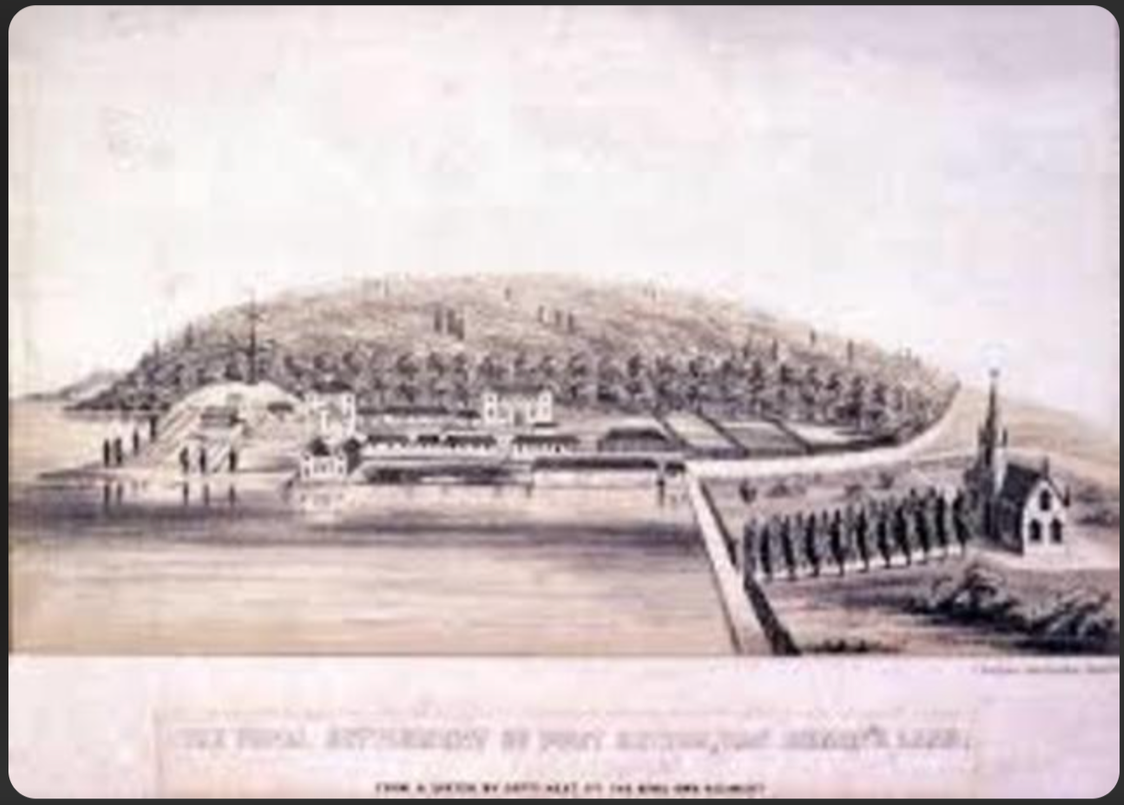
The British government was looking for a suitable location for a new penal settlement in the Moreton Bay region. The intention was to establish a remote place where convicts who had committed further offences after transportation could be sent for secondary punishment.
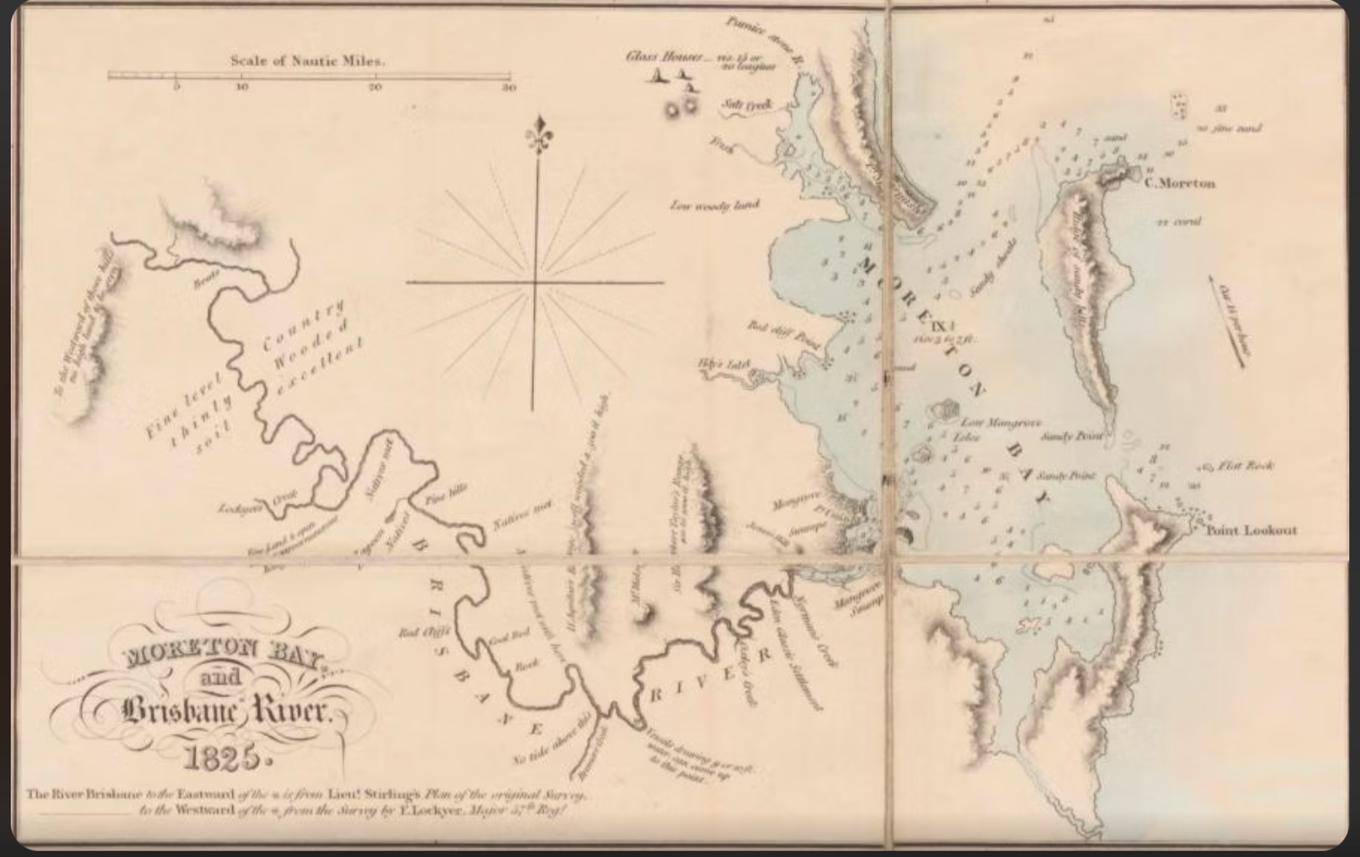
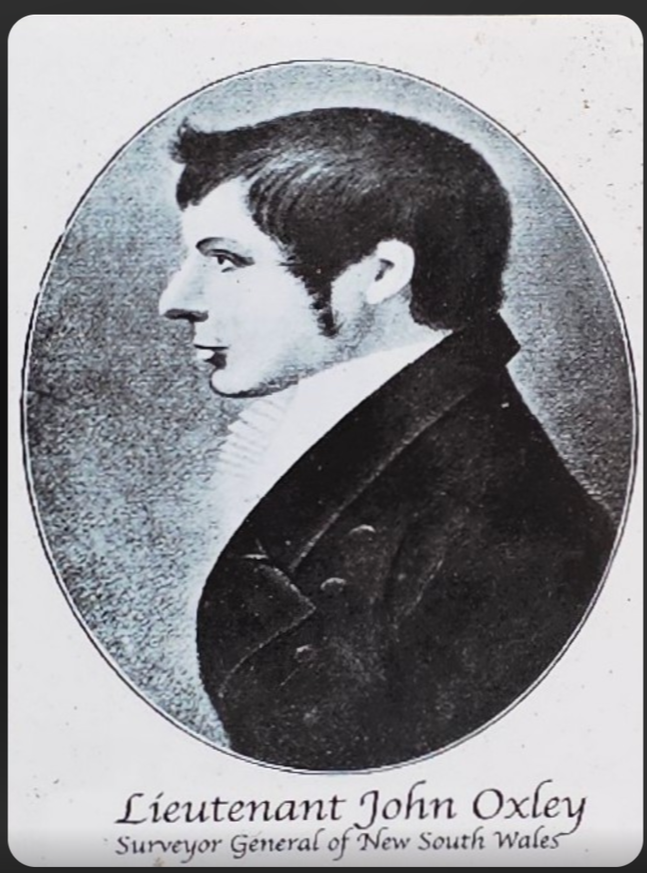
In 1823, Surveyor-General John Oxley explored Moreton Bay and the surrounding coastline. He examined several possible locations and recommended Red Cliff Point as a suitable site for a settlement.
The location appeared promising. There was access to the bay, timber, freshwater and land that seemed capable of supporting agriculture. Its relative isolation was also considered an advantage for a penal settlement.
On 13 September 1824, Lieutenant Henry Miller and his party landed at Redcliffe from the brig Amity, which had anchored in Moreton Bay the day before. With him were soldiers, convicts and others who would establish the new settlement.
The first European settlement in the future colony of Queensland had begun.
A settlement that was never meant to become Brisbane
The settlement at Redcliffe was not the beginning of a planned city. It was a small and difficult penal outpost.
The settlers faced problems almost immediately. The site was difficult to supply, agricultural conditions were less favourable than anticipated, and access to fresh water and transport created continuing difficulties.
John Oxley had also explored the Brisbane River and recognised its advantages. The river provided a better route inland and offered more suitable land for a larger settlement.
The decision was eventually made to move.
In May 1825, only around eight months after the Redcliffe settlement had been established, the settlement was abandoned and relocated to the Brisbane River.
The future city of Brisbane was, in effect, the second attempt.
The original settlement had not failed because the Moreton Bay region was unsuitable. Rather, the British authorities had found a better location for their purposes further south.
So where did Humpybong come from?
The name Humpybong adds another fascinating layer to the history.
The word is generally understood to be an English rendering of an Aboriginal expression associated with deserted or abandoned huts or shelters. After the European settlement was moved from Redcliffe to the Brisbane River, the abandoned buildings and the area around them became associated with the name Humpybong.
The name survived.
Even as the physical remains of the short-lived settlement disappeared, Humpybong continued to be used as a name for the area. Eventually, Redcliffe became the more familiar name, particularly as the peninsula developed as a residential and seaside destination.
But Humpybong remained embedded in the local story.
It is an evocative name because it reflects the history of a place that had been inhabited long before Europeans arrived, was then occupied briefly by a European penal settlement, and was subsequently abandoned.
What remains of the first settlement?
The original settlement has largely disappeared beneath the modern Redcliffe landscape, but its location and archaeological potential remain important.
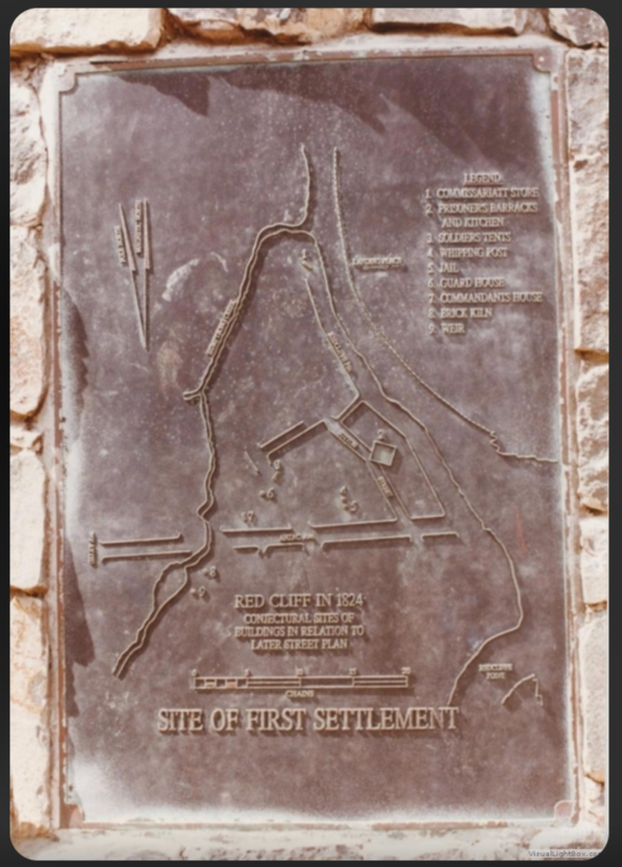
The settlement was established around the area of what is now central Redcliffe, with the early site generally associated with land around present-day Anzac Avenue, Redcliffe Parade and John Street.
The settlers constructed buildings and other facilities needed to support the small community. Among them was a brick kiln, using local clay to produce bricks for construction.
For a settlement that lasted less than a year, it left a surprisingly important historical footprint.
Its significance is not simply that it was the "first settlement". It represents the beginning of a major transformation of the Moreton Bay region — from the perspective of European colonial history — and the first stage in the establishment of what would become the colony, and later the state, of Queensland.
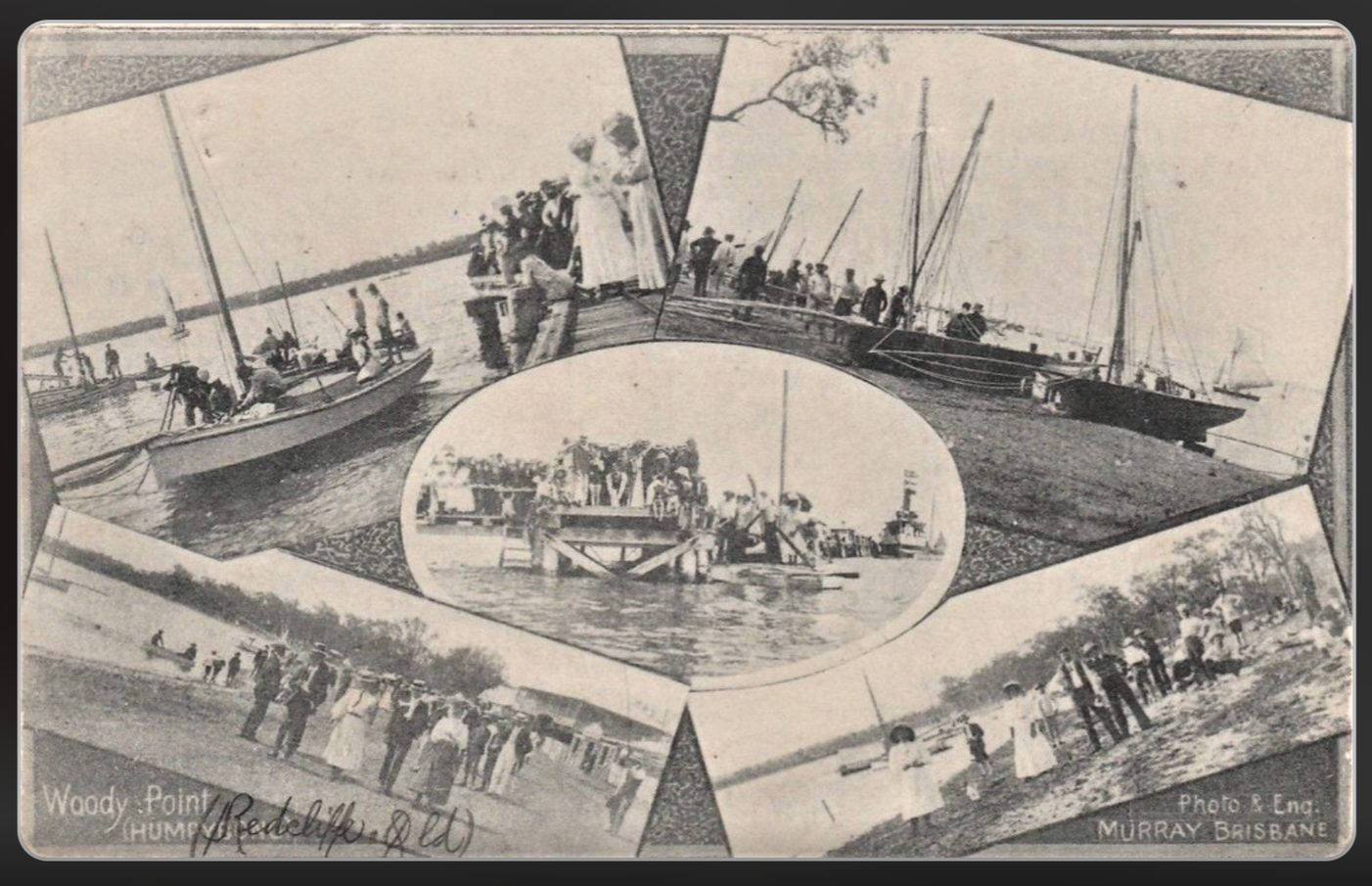
Woody Point (Humpybong) circa 1909
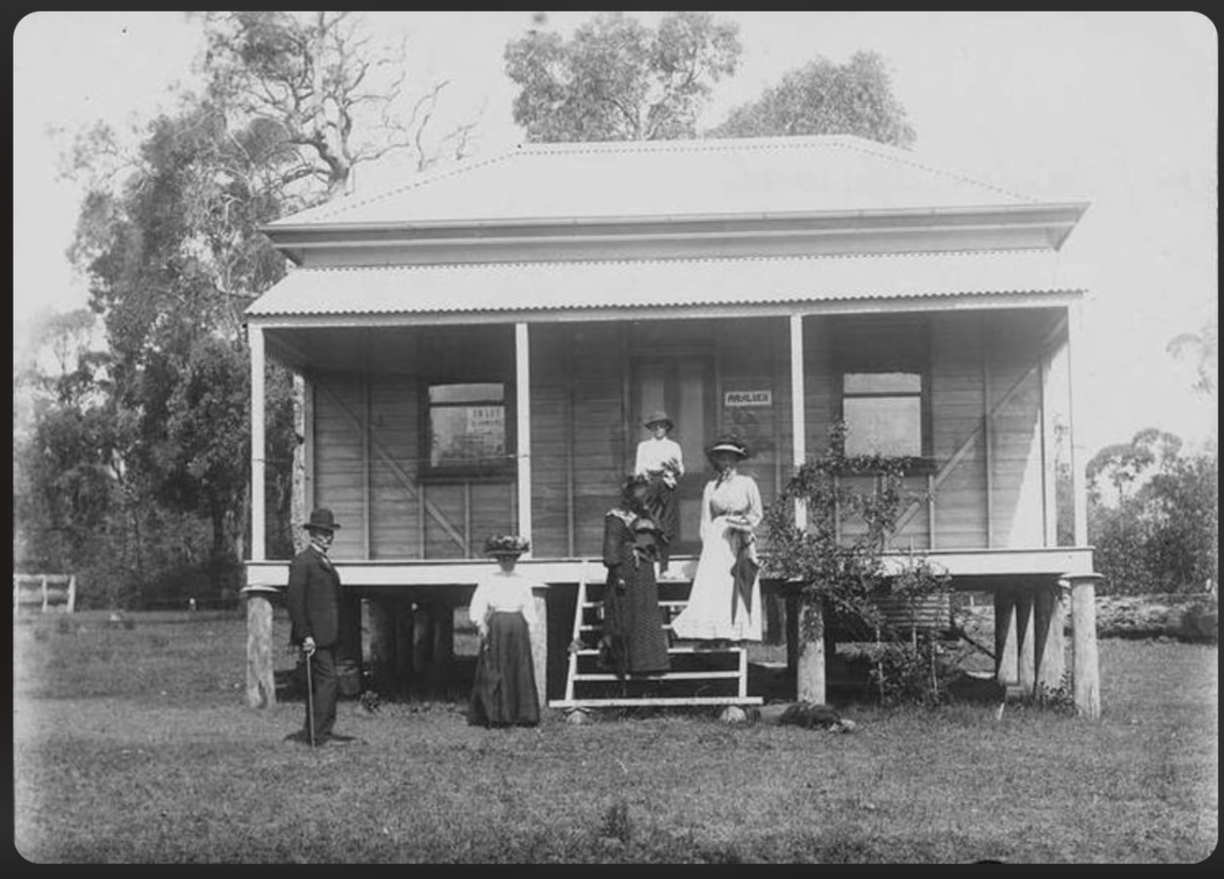
Araluen at Red Cliff
From Humpybong to Redcliffe
After the settlement moved to the Brisbane River, Redcliffe remained relatively quiet for decades.
It was not until the nineteenth century, particularly from the 1860s onwards, that European settlement began to develop more substantially on the peninsula. Redcliffe eventually became a popular seaside destination and later a major residential centre.
The name Humpybong gradually became less prominent, but it never completely disappeared from local memory.
Today, the name survives in historic references, community organisations, sporting clubs and local stories — a reminder that the modern city of Redcliffe occupies a landscape with a much more complicated history than its holiday-town image might suggest.
A place with several histories
Humpybong is worth remembering because it brings several different histories together.
It is the story of First Nations Country, with thousands of years of connection to the peninsula and Moreton Bay by the Ningy Ningy people and their broader ties to the Turrbal and Gabi Gabi peoples.
It is the story of British expansion and the convict system, and the attempt to establish a remote penal settlement in Moreton Bay.
It is the story of John Oxley's exploration and the search for a better site, which ultimately led to the abandonment of Redcliffe and the establishment of the settlement that became Brisbane.
And it is the story of a place name that survived.
There is an irony in that name. A word associated with abandoned shelters came to identify a place that would eventually become a thriving community.
So when we think about the beginnings of Queensland's European history, it is worth looking beyond Brisbane.
Before there was Brisbane, there was Humpybong.
And the story of Humpybong reminds us that the history of Queensland did not begin with the arrival of Europeans. It began much earlier — and the landscape around Redcliffe still carries traces of all those layers of history.