
Caring Through History: Brisbane’s Hospital and Medical Museums
Brisbane’s hospitals and medical institutions have long been more than places of treatment — they are sites of community, learning, and innovation. Today, four Brisbane Living Heritage members give visitors a unique insight into the city’s healthcare history, from the early days of nursing to medical breakthroughs that shaped Queensland.
Nursing Museum of the Royal Brisbane and Women’s Hospital preserves the rich history of nursing at Queensland’s largest hospital. Its collection includes uniforms, equipment, and personal stories, showing how generations of nurses have cared for patients while shaping professional standards in healthcare. Brisbane author Nick Earls celebrates some of these stories in Lady Lamington’s Trowel & other short stories, highlighting the people and artefacts that bring the museum to life. (rbwhfoundation.com.au)
“The Nursing Museum occupies Building 19, the former Fever Ward built in 1875 — one of the oldest hospital buildings still standing on the Herston campus. Its survival adds another layer of history to the collection, letting visitors experience a real piece of medical heritage as well as the stories it holds.” Brisbane Open House
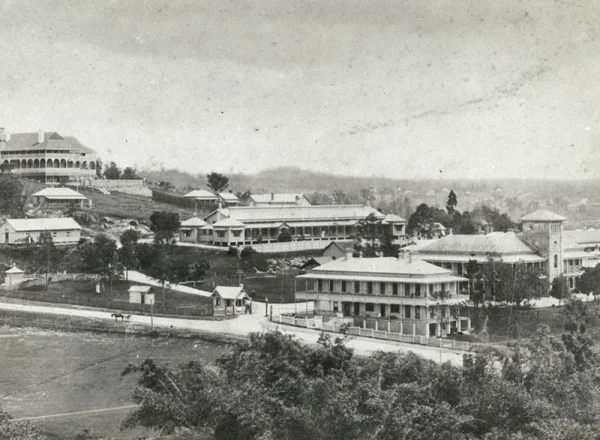
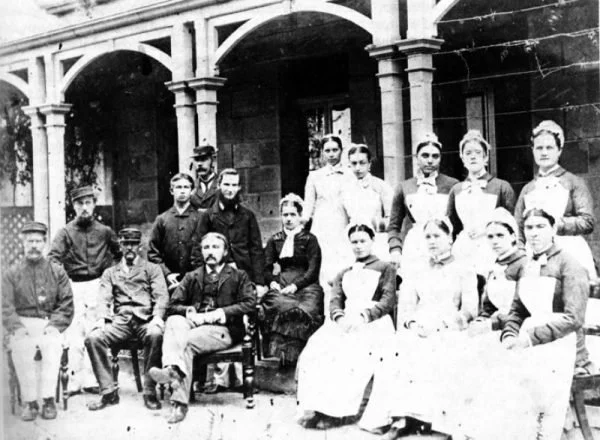
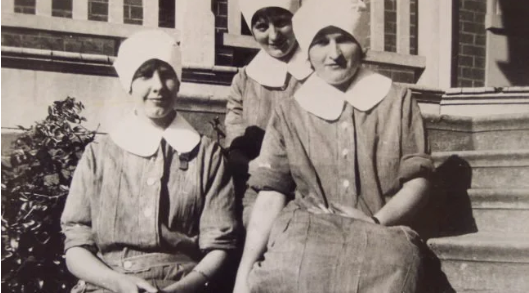
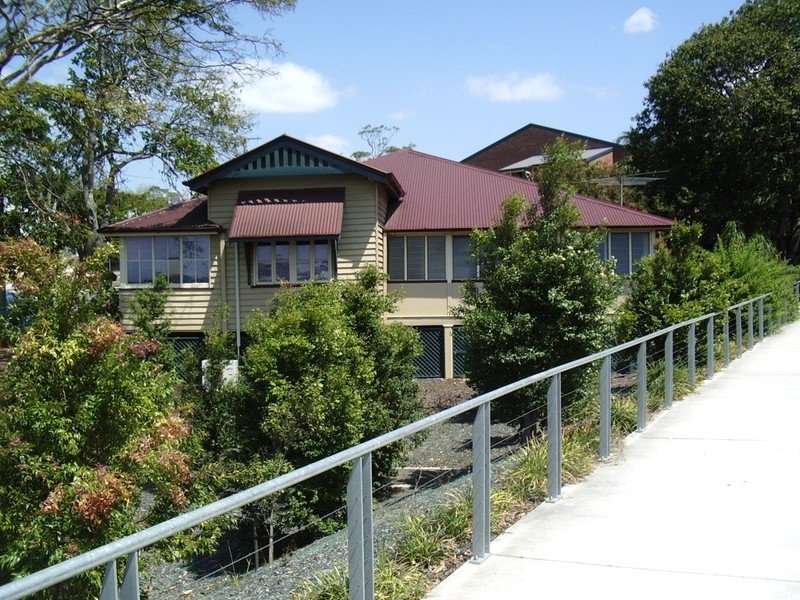
Diamantina Health Care Museum at the Princess Alexandra Hospital highlights the evolution of medical practice and hospital life. Housed in the only surviving building from the original Diamantina Hospital for Chronic Diseases, the museum occupies the heritage-listed former Dispenser’s House built in 1908–1909, a rare remnant of Queensland’s early chronic-care facilities. The hospital itself began from the Diamantina Orphanage in the 1860s, which later adapted to serve as Queensland’s first hospital for chronic diseases in 1901, showing how the site evolved in response to Brisbane’s changing social and healthcare needs. From early surgical instruments to patient care innovations, the museum demonstrates the advances that have made modern healthcare safer, more effective, and more patient-centred. (en.wikipedia.org)
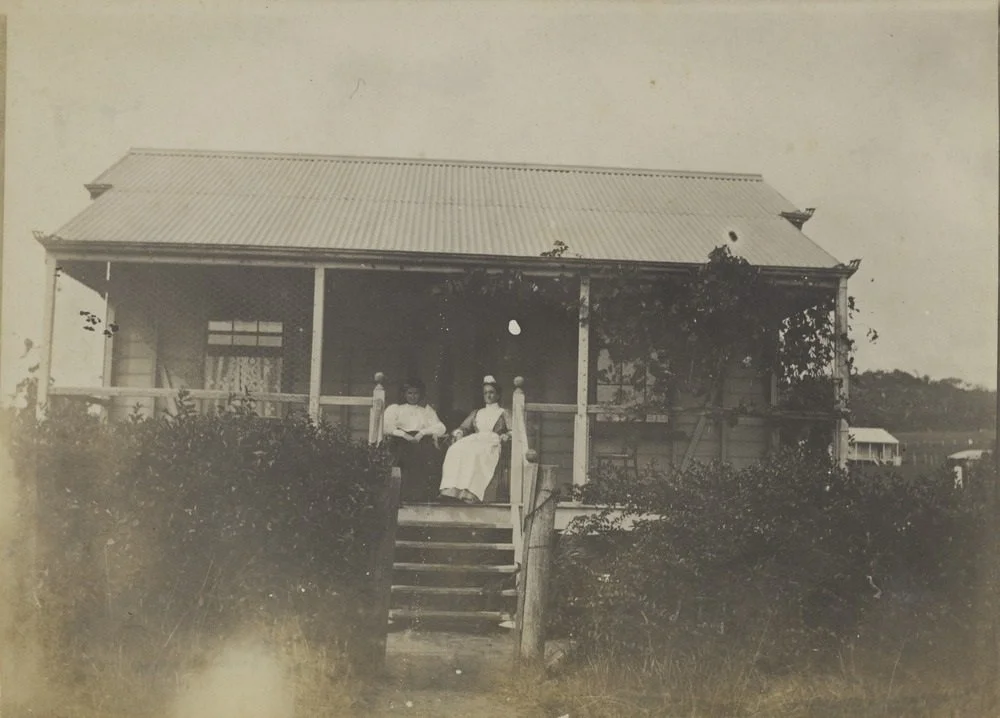
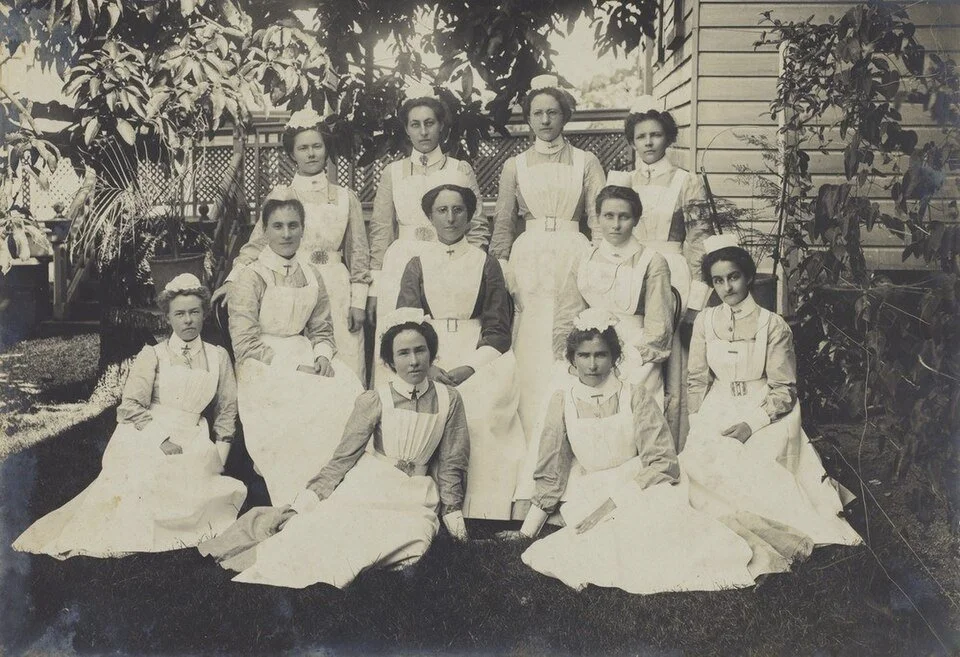
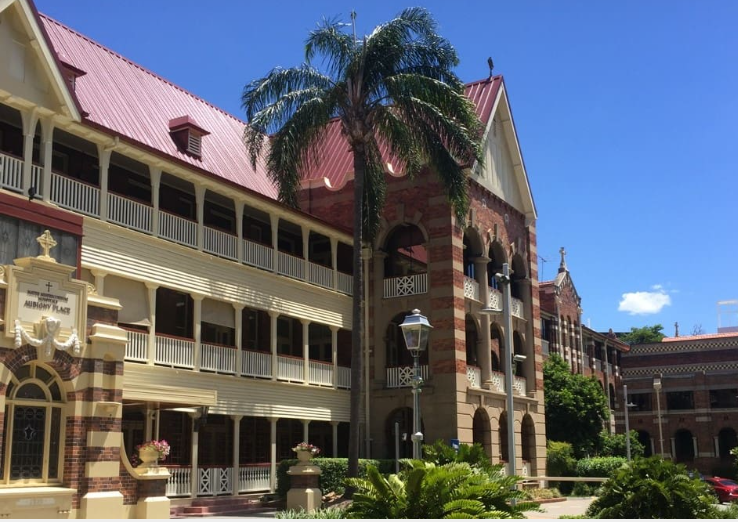
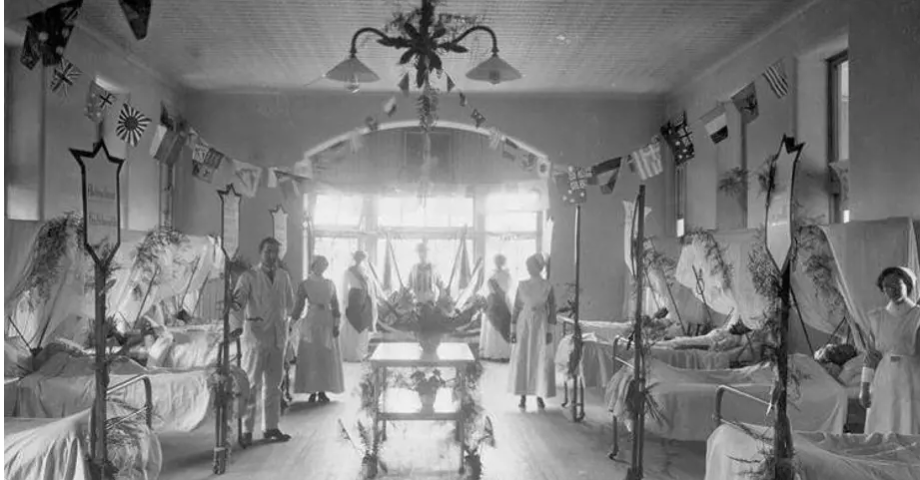
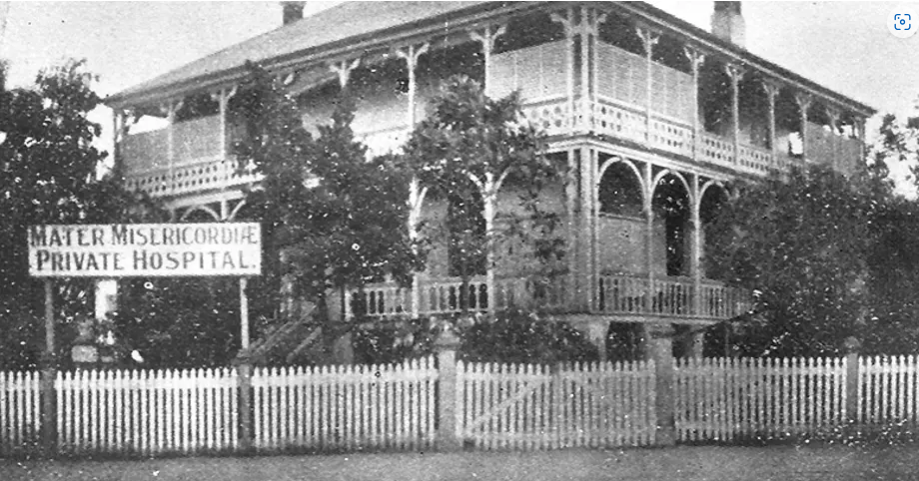
Mater Misericordiae Heritage Centre tells the story of one of Brisbane’s oldest private hospitals, established by the Sisters of Mercy in 1906. What many may not realise is that the hospital’s first permanent home was built on land purchased in 1893 after catastrophic floods and economic depression, at a time when some in Brisbane’s medical community doubted the need for a new hospital on the south side of the river. Despite those early sceptics, the 1910 Mater Private Hospital, designed by renowned architect Robin Dods, was opened to wide public acclaim and became a centre of innovation in patient care and hygiene. The Heritage Centre preserves archives and displays that reflect the Sisters’ pioneering work in healthcare, education, and social support, and reveals how the hospital expanded over subsequent decades to meet the evolving needs of the community. (heritage.brisbane.qld.gov.au)
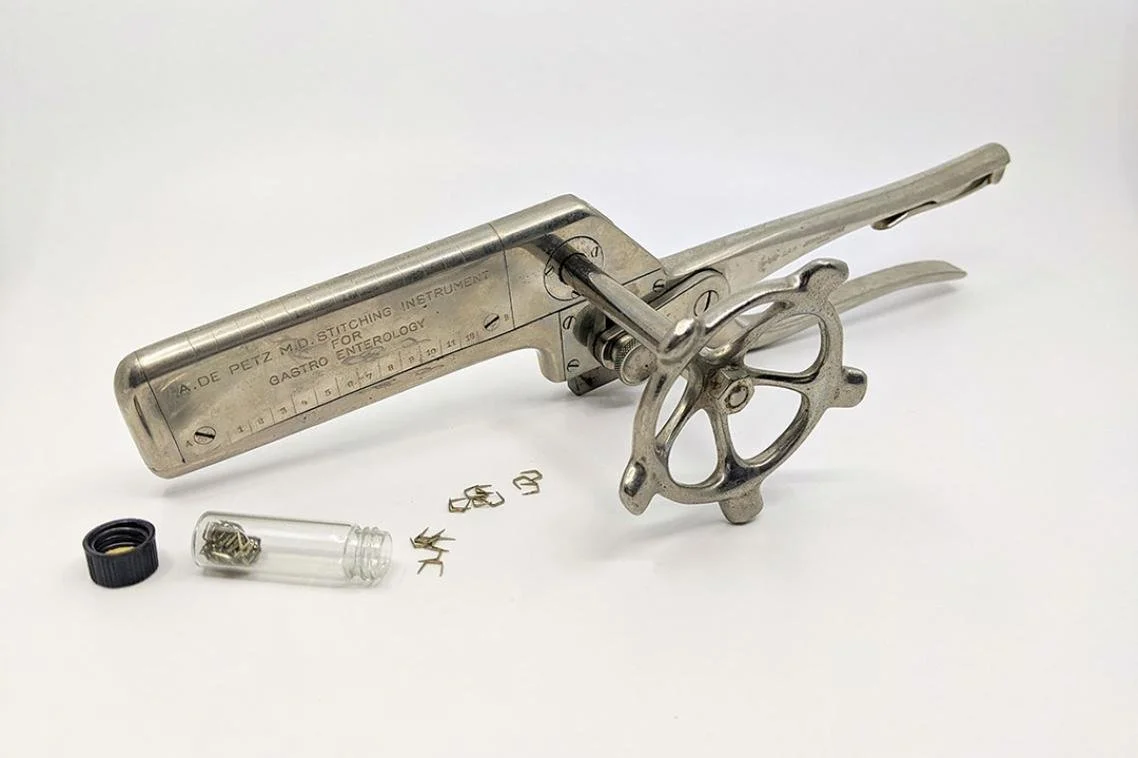
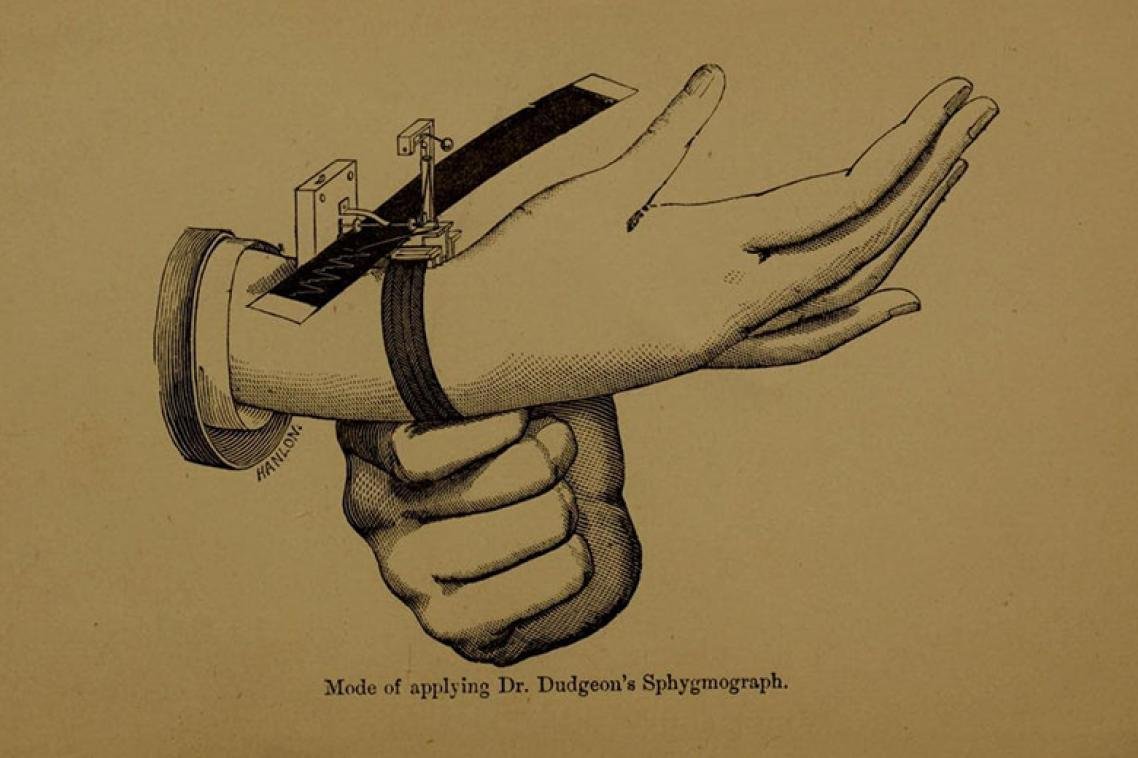
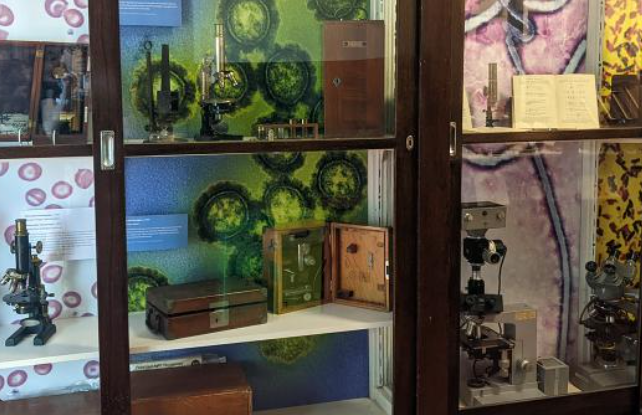
Mark Hirschfeld Museum at the University of Queensland’s Mayne Medical School brings to life the teaching and research heritage of medicine in Queensland. The museum was established following a major medical exhibition in Brisbane in 1950, when many of the displayed objects were donated to UQ, laying the foundation for its extensive collection. It honours notable medical figures such as Dr Alexander Hammett Marks and Dr Konrad Hirschfeld, whose curatorial work helped shape the museum. Among its treasures are thousands of medical instruments, photographs, and personal effects — including Queensland’s first X‑ray machine and 19th‑century surgical equipment — offering a remarkable perspective on how medicine and teaching have evolved over time. (medicine.uq.edu.au)
Together, these museums reveal the human side of medical history — the people, the stories, and the innovations behind healthcare in Brisbane. Visiting them is more than a look into the past; it’s an opportunity to understand how caring, dedication, and knowledge have shaped the city’s hospitals, teaching institutions, and wider community.