Living Heritage in a Human Future
As artificial intelligence and automation reshape the way we work and live, many traditional jobs and skills will disappear or change forever. Yet there is one form of knowledge that cannot be replaced by machines: Living Heritage, also known as Intangible Cultural Heritage.
Living Heritage refers to the traditions, skills and cultural practices passed from person to person and generation to generation. These include storytelling, music and dance, community festivals, crafts and trades, food traditions, and knowledge of place and nature. They are not objects to be stored. They are practices that must be lived, shared and taught.
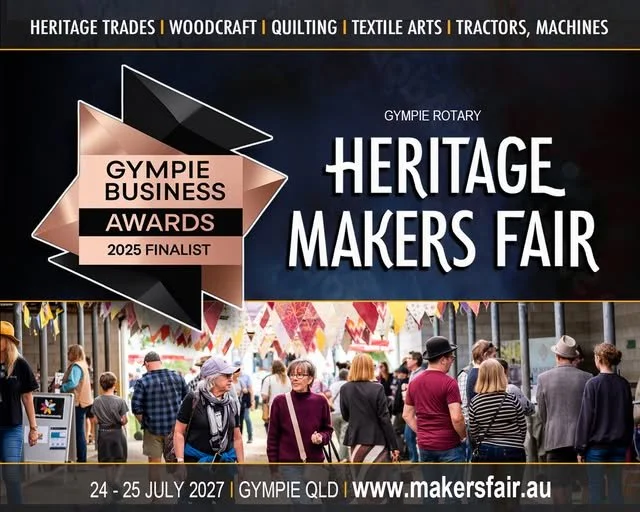
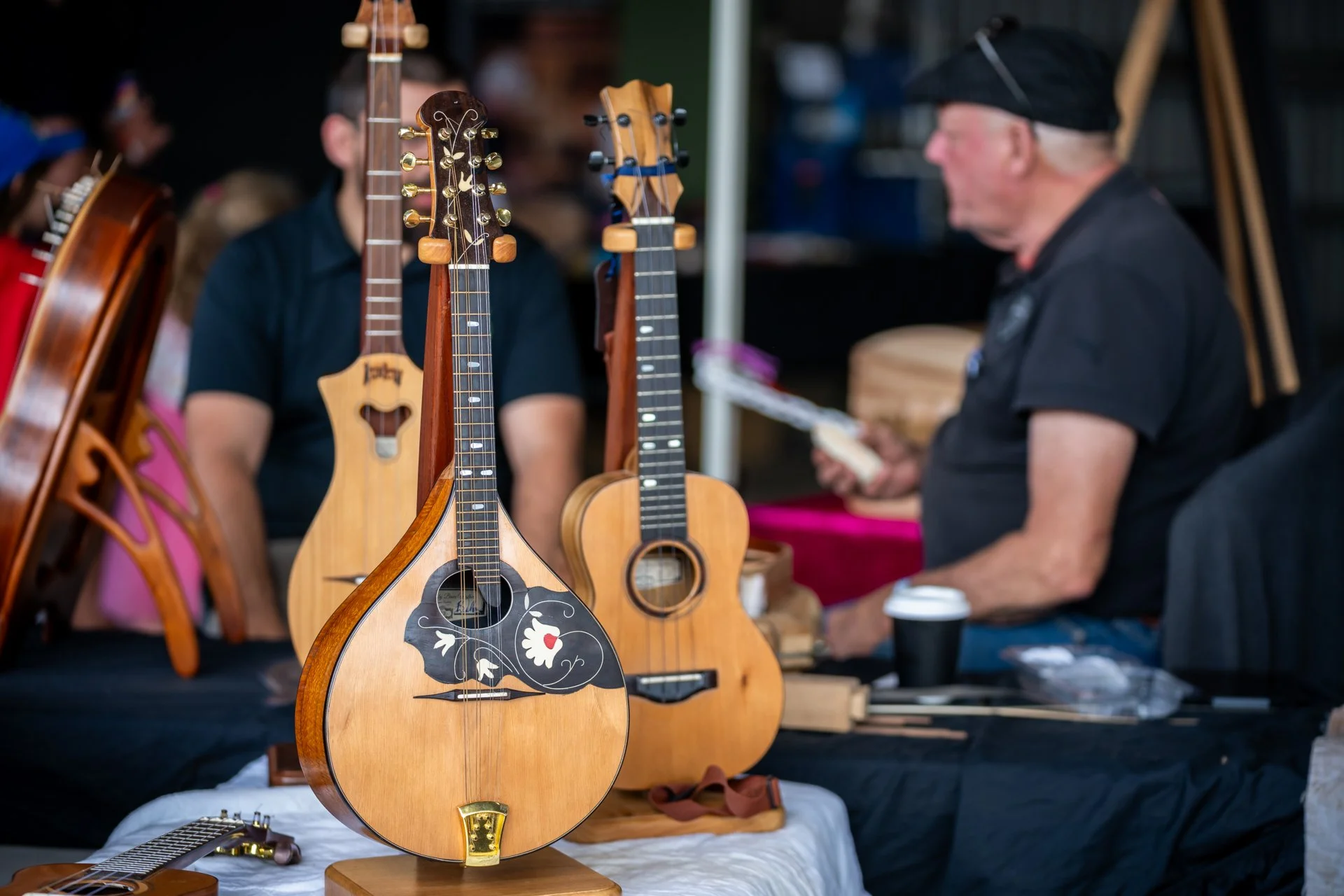
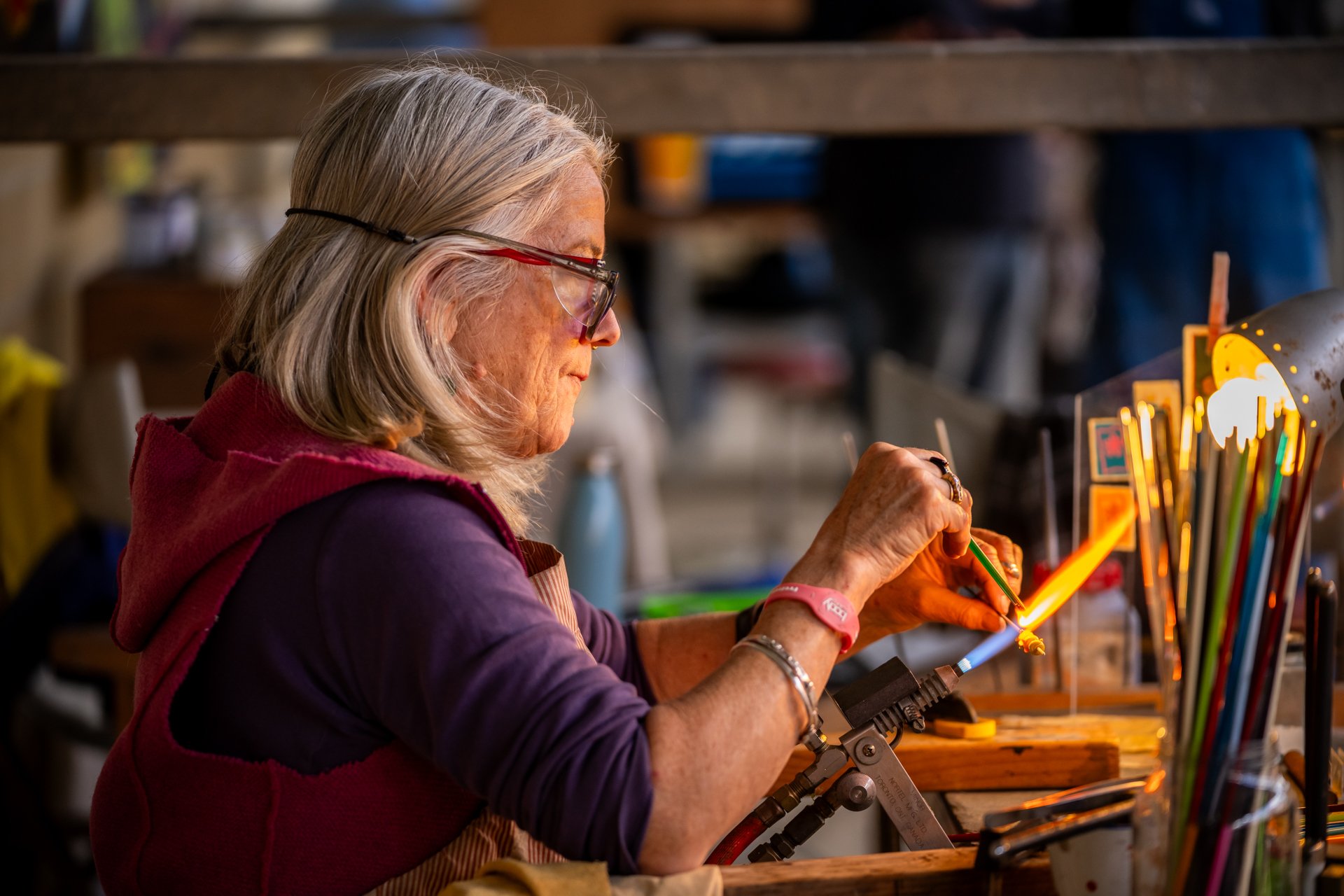
(Gympie Heritage Makers Fair 2025)
According to the 2003 Convention of UNESCO, Intangible Cultural Heritage belongs to communities and is safeguarded through participation and continuity. It depends on people, not technology.
In a future shaped by Artificial General Intelligence, Living Heritage will become one of the most distinctly human forms of knowledge. A robot may be able to copy a movement or reproduce a sound, but it cannot understand the cultural meaning behind a tradition, the story it carries, or the relationship between teacher and learner. These traditions rely on human judgement, creativity and lived experience.
This makes Living Heritage more important than ever. As older generations pass away and lifestyles change, there is a real risk that valuable cultural knowledge will be lost within a single lifetime unless it is actively shared and supported.
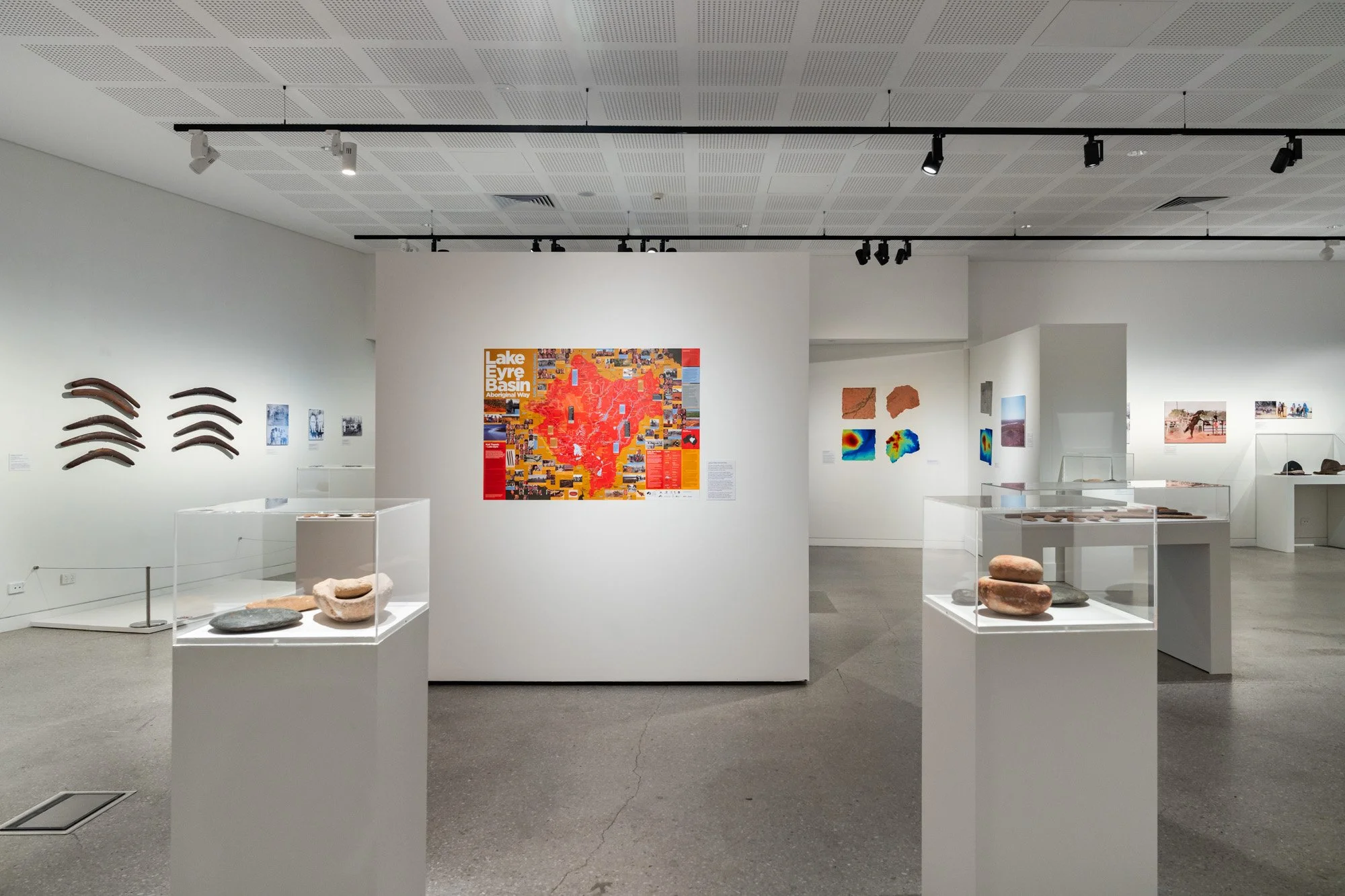
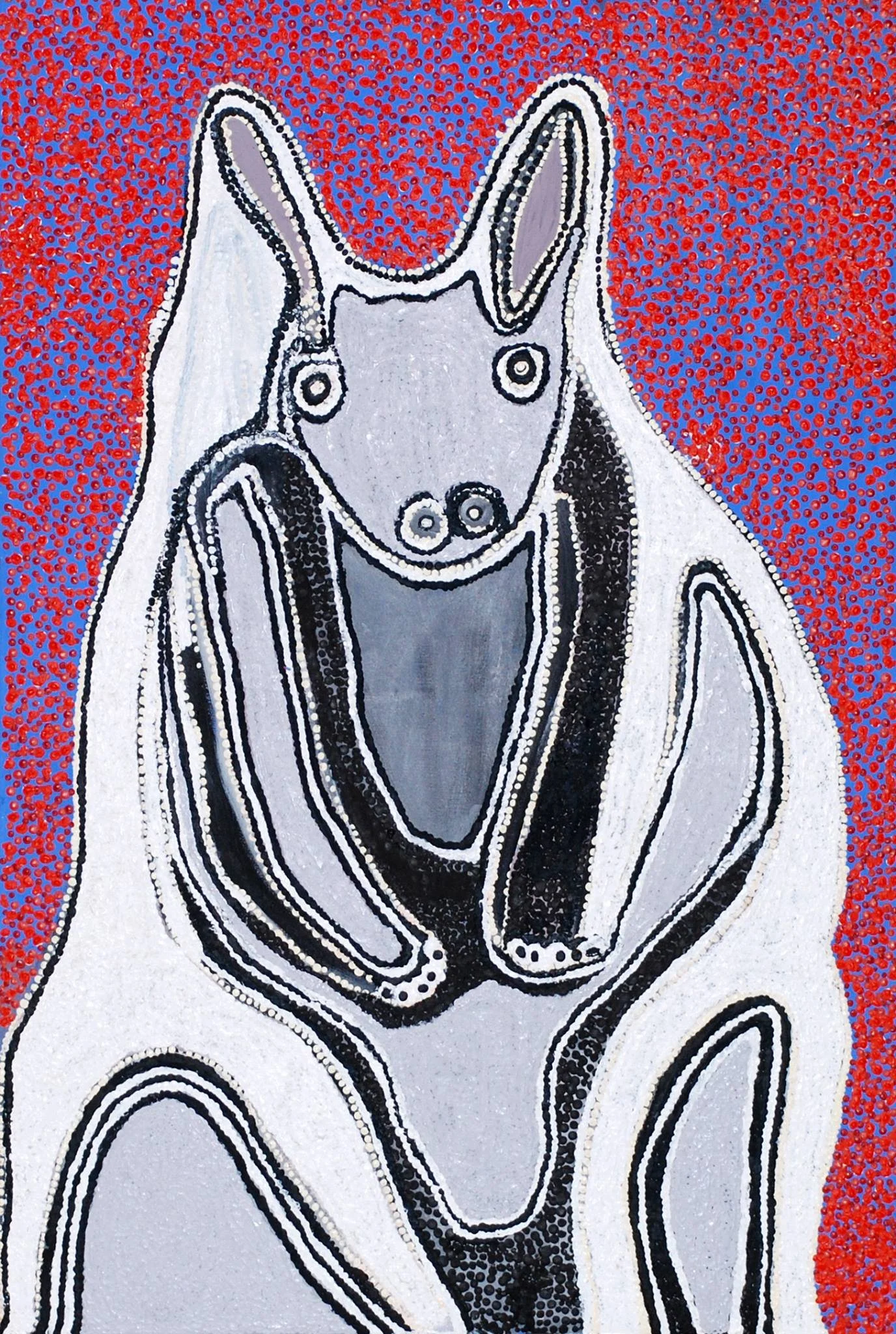
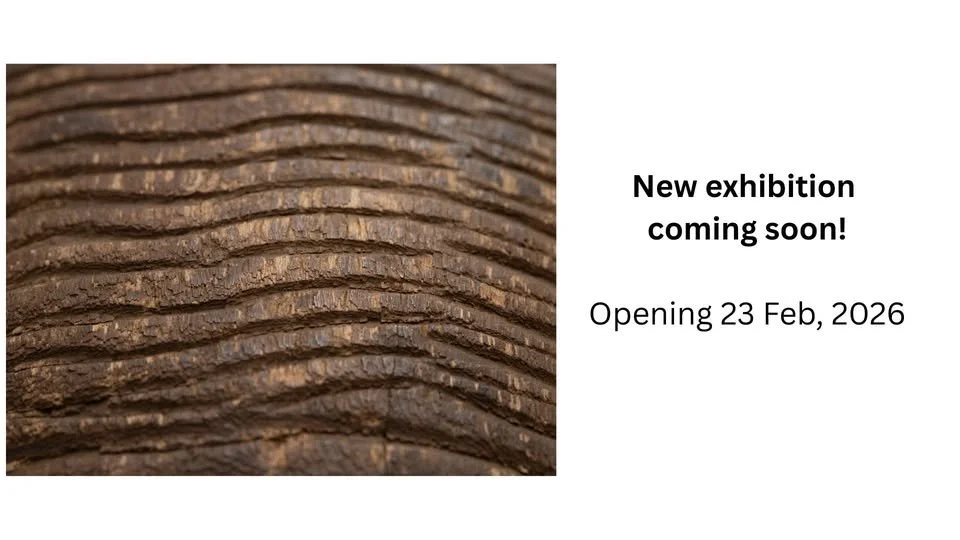
(UQ Museum of Anthropology)
Across Brisbane, Living Heritage can be seen in many forms:
-maritime skills and boat knowledge, community festivals and commemorations, traditional crafts and trades, oral histories and storytelling, performing arts, food traditions, and First Nations cultural knowledge of Country and culture.
These traditions are learned through participation and relationship — not through machines or manuals. They depend on people who choose to become keepers of culture and pass their knowledge forward.
Safeguarding Living Heritage is not about freezing the past. It is about helping traditions remain meaningful today and adaptable for the future.
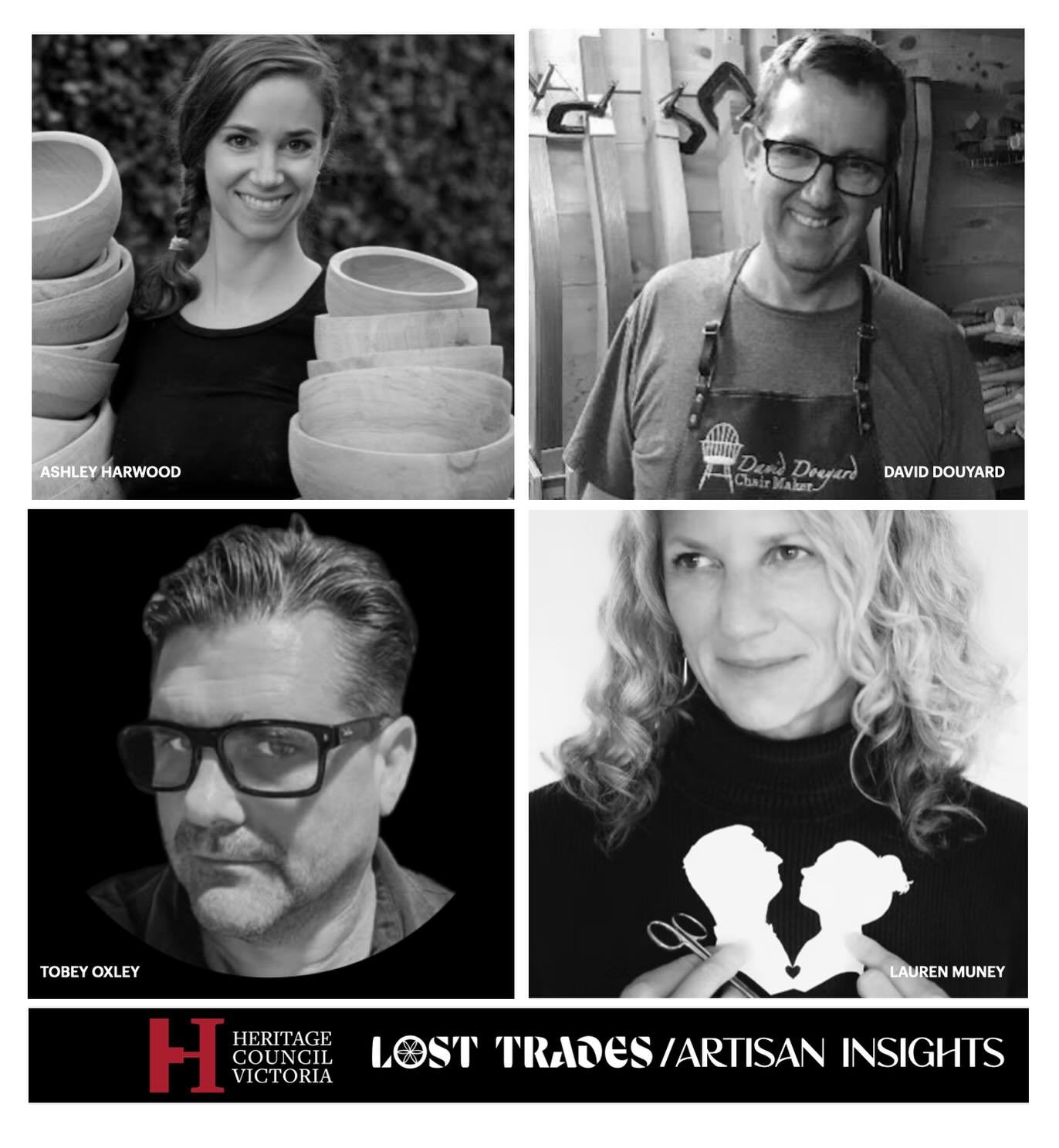
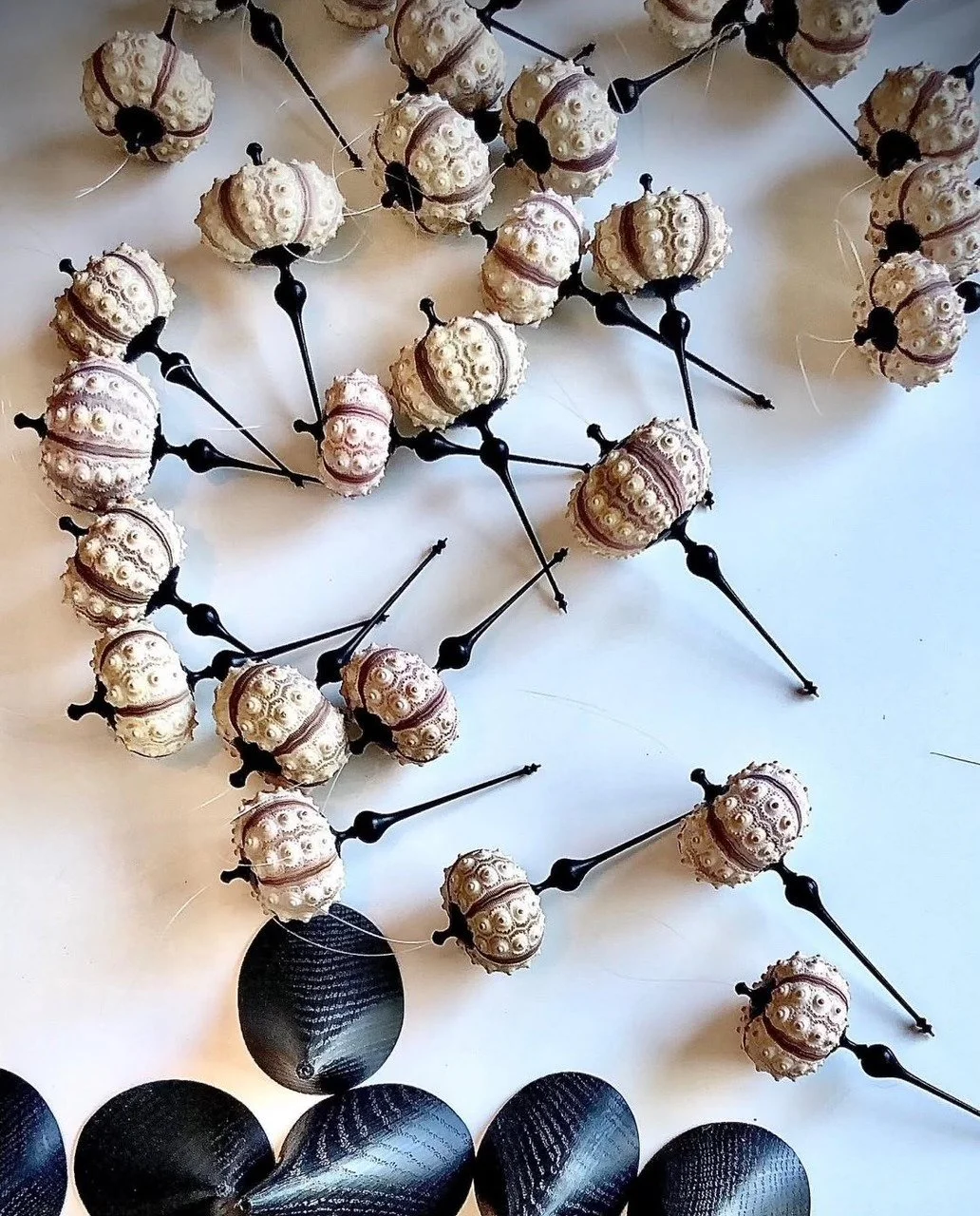
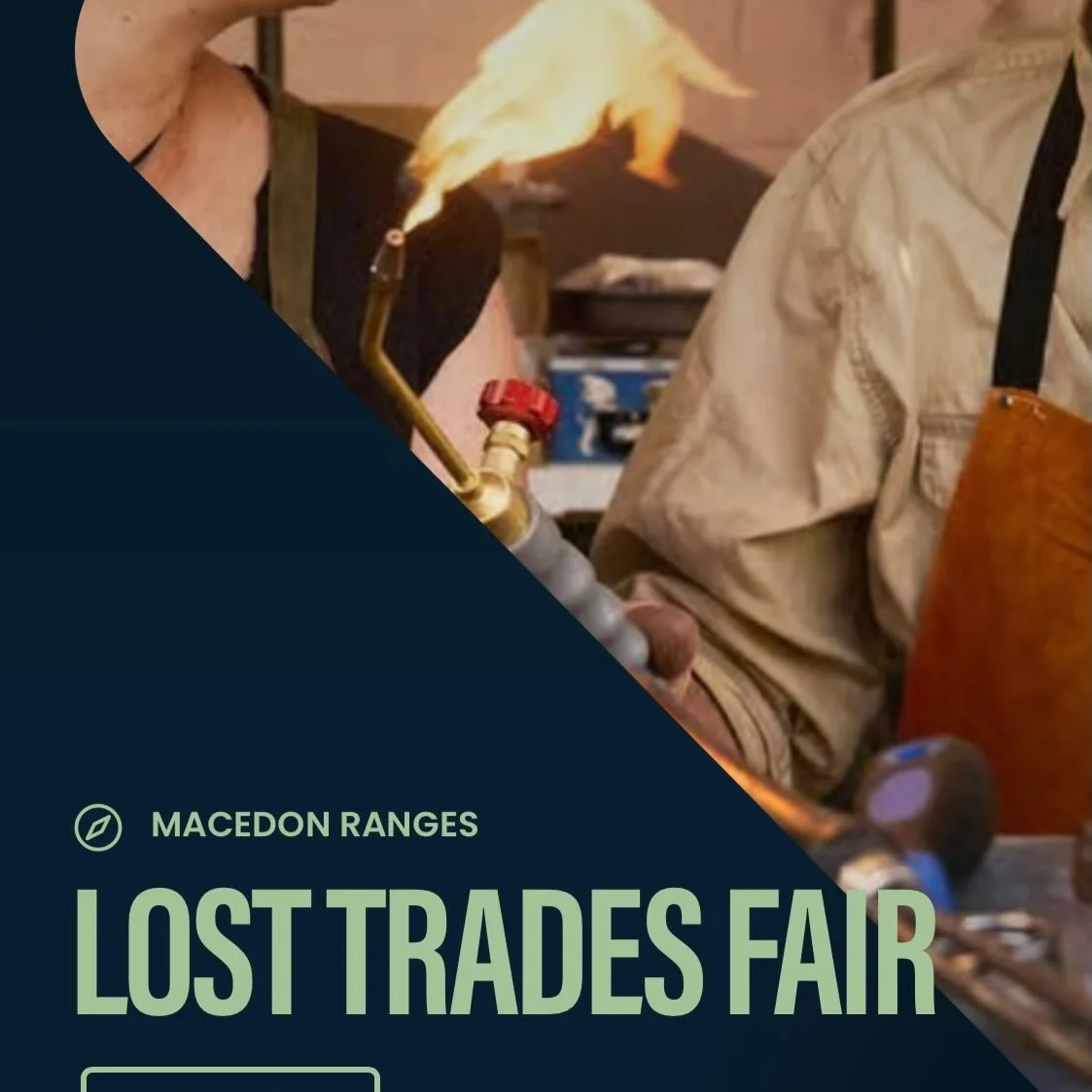
(Lost Trades Fair Mt Macedon VIC)
At Brisbane Living Heritage, we believe that protecting Living Heritage is part of building a human future. By creating opportunities for learning, participation and storytelling, we help ensure that Brisbane’s cultural knowledge continues to live through people, not machines.
In an automated world, Living Heritage reminds us who we are — and how we carry our culture forward together.
Call to Action: How You Can Help Keep Living Heritage Alive
Living Heritage survives when people take part. You can help by:
Learning a traditional skill or craft
Sharing your story or cultural knowledge
Volunteering with a heritage organisation
Attending community festivals and events
Teaching younger generations
Supporting organisations that safeguard living traditions
Every act of participation helps keep Brisbane’s heritage alive.
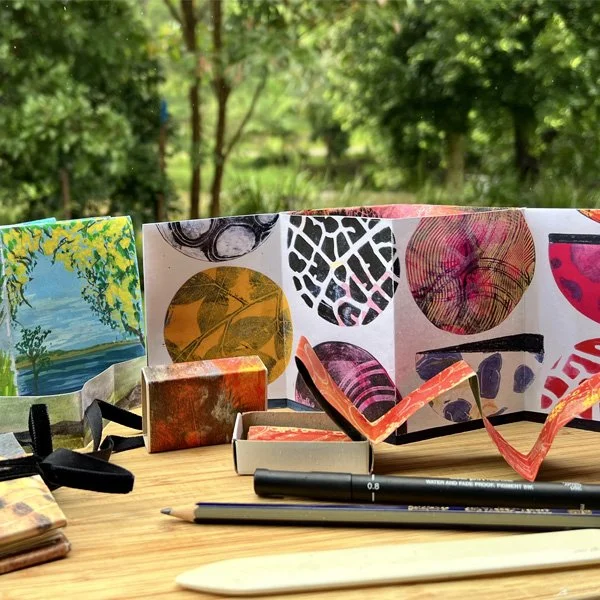
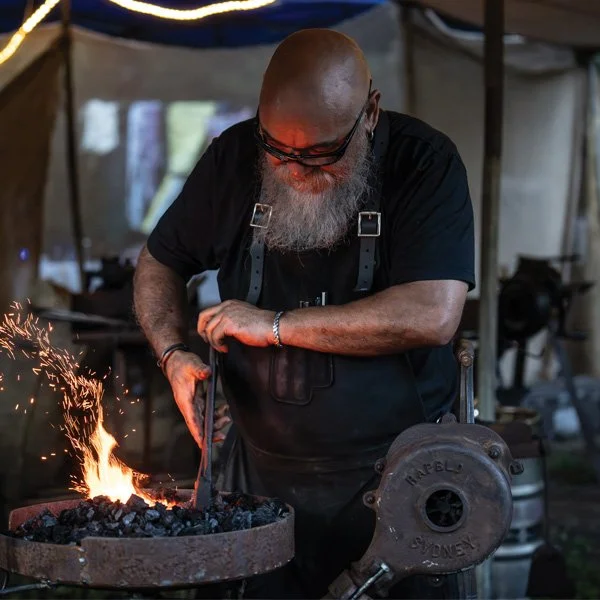
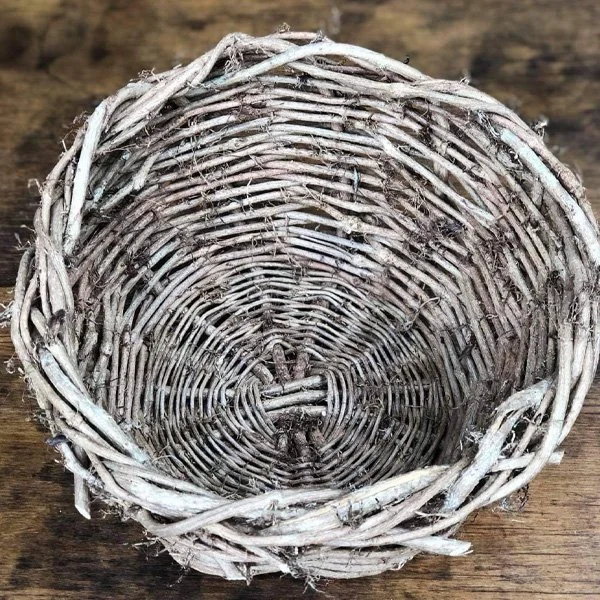
(Woodford Folk Festival Artisans Alley)
Living Heritage is not something we inherit — it is something we practise.
Together, these museums reveal the human side of medical history — the people, the stories, and the innovations behind healthcare in Brisbane. Visiting them is more than a look into the past; it’s an opportunity to understand how caring, dedication, and knowledge have shaped the city’s hospitals, teaching institutions, and wider community.