

Brisbane History Group - The Arts
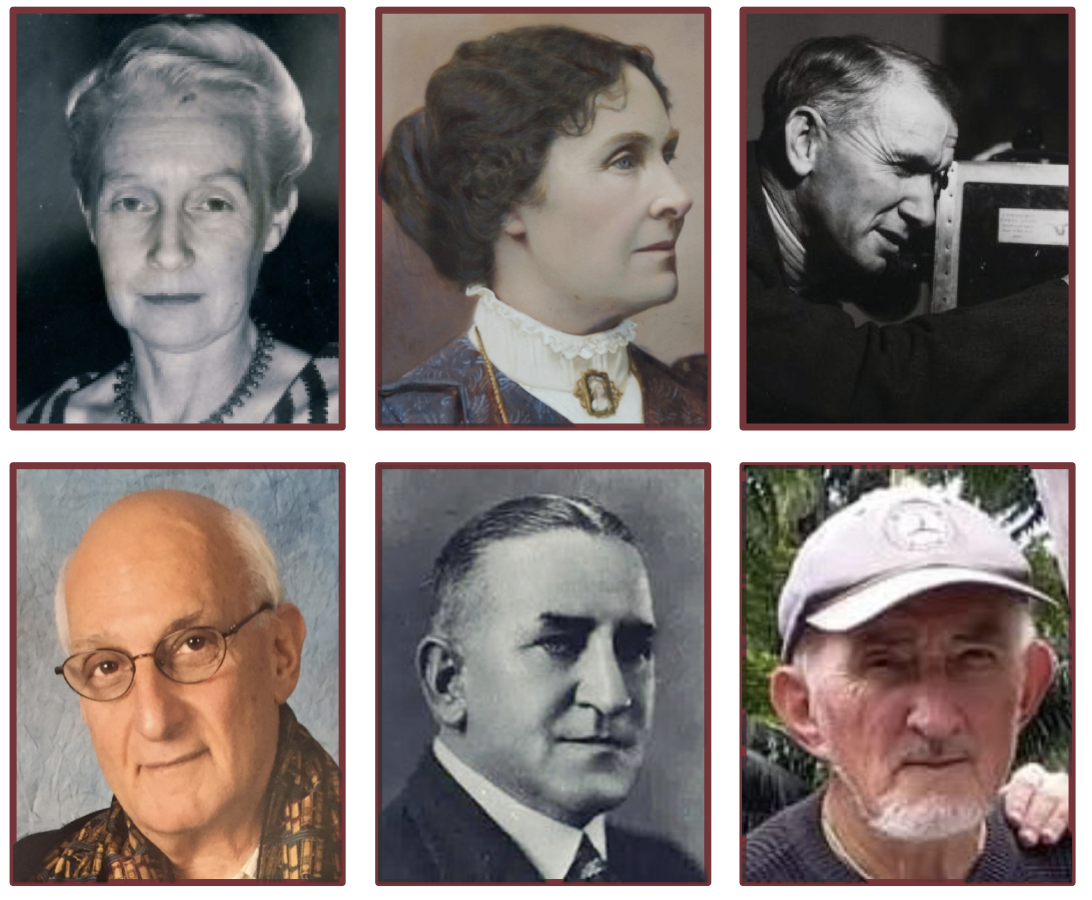
Our August seminar will focus on the lives of several Brisbane artists from the colonial period to modern times. Our expert presenters will speak about sculptors, an author, a film maker, a musician and an architect.
For over a quarter of a century Marguerite Weller was a distinctive figure in Brisbane’s cultural community. Though little-known today, her work in the fields of visual art and early childhood education coincided with Brisbane’s embrace of modernist art, design and architecture.
Henrietta née Percival, known in her adopted home of Brisbane firstly as Madame Mallalieu, and later Mrs Willmore, was one of Queensland’s notable musicians. She was a prolific performer as virtuoso pianist, chamber musician and organist being associated with the arrival of the Willis pipe organ which is now the cultural showpiece of Brisbane City Hall.
Charles Edward Chauvel was an Australian filmmaker, producer, actor and screenwriter, and nephew of General Sir Harry Chauvel. Perhaps best know for Forty Thousand Horsemen and Jedda, his early work was in silent films, followed by a spell in Hollywood before returning Australia.
Brisbane born David George Joseph Malouf came to prominence with Johno in the mid 1970s. He had a lifelong career as a poet, novelist, short story writer, playwright and librettist. Internationally renowned, he died in April this year.
Lange Leopold Powell was a noted architect who designed many important buildings in Brisbane and the state of Queensland. He started practice in 1909 his major works included St Martin's War Memorial Hospital (opened 1922) and the Masonic Temple, Brisbane (1928).
Born in 1934 Graham Radcliffe, was a professional sculptor who worked in both Italy and at home at Mount Glorious where he created the Phoenix Sculpture Garden, examples of his work set in a bush setting. Many feature unusual marble and onyx sourced from around the world.
Our presenters are Tim Roberts, Peter Roennfeldt, Andrew Best, Simon Farley, John East, and Margit Klee.
There will be a chance to mingle over tea and biscuits midway through the afternoon.
Entrance to the GT125 Theatre is located to the right of the Chapel when viewed from Gregory Terrace.
Registration and book stall from 12.30pm, presentations commence at 1pm.
Access to Theatre: When viewed from Gregory Terrace, the GT125 Theatre is in the building to the right
of the Chapel.
Enquiries: Robert Allen by email: rallen3@iinet.net.au RSVP by 19 August 2026
General Admission: $15.00 BHG Members $10.00
Booking Essential - By email/EFT brisbanehistoryevents@gmail.com Include attendees’ names, funds
transfer to Brisbane History Group, Westpac, BSB 734 000, A/C 093887.
Use your family name in the reference.
By Humanitix - https://events.humanitix.com/the-arts or via QR Code
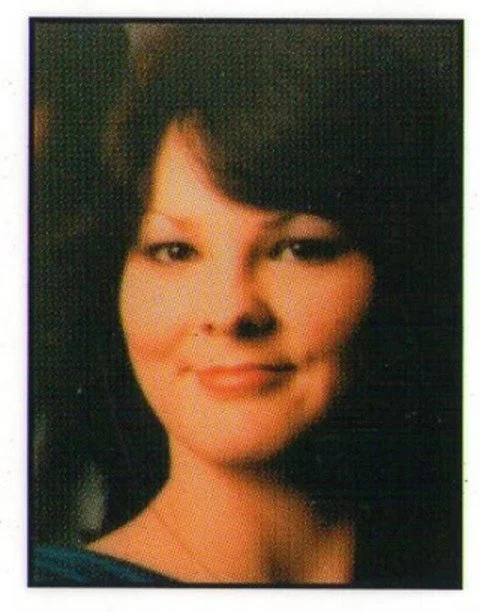
Sunday Stories at the Qld Police Museum - The Disappearance of Sharron Phillips
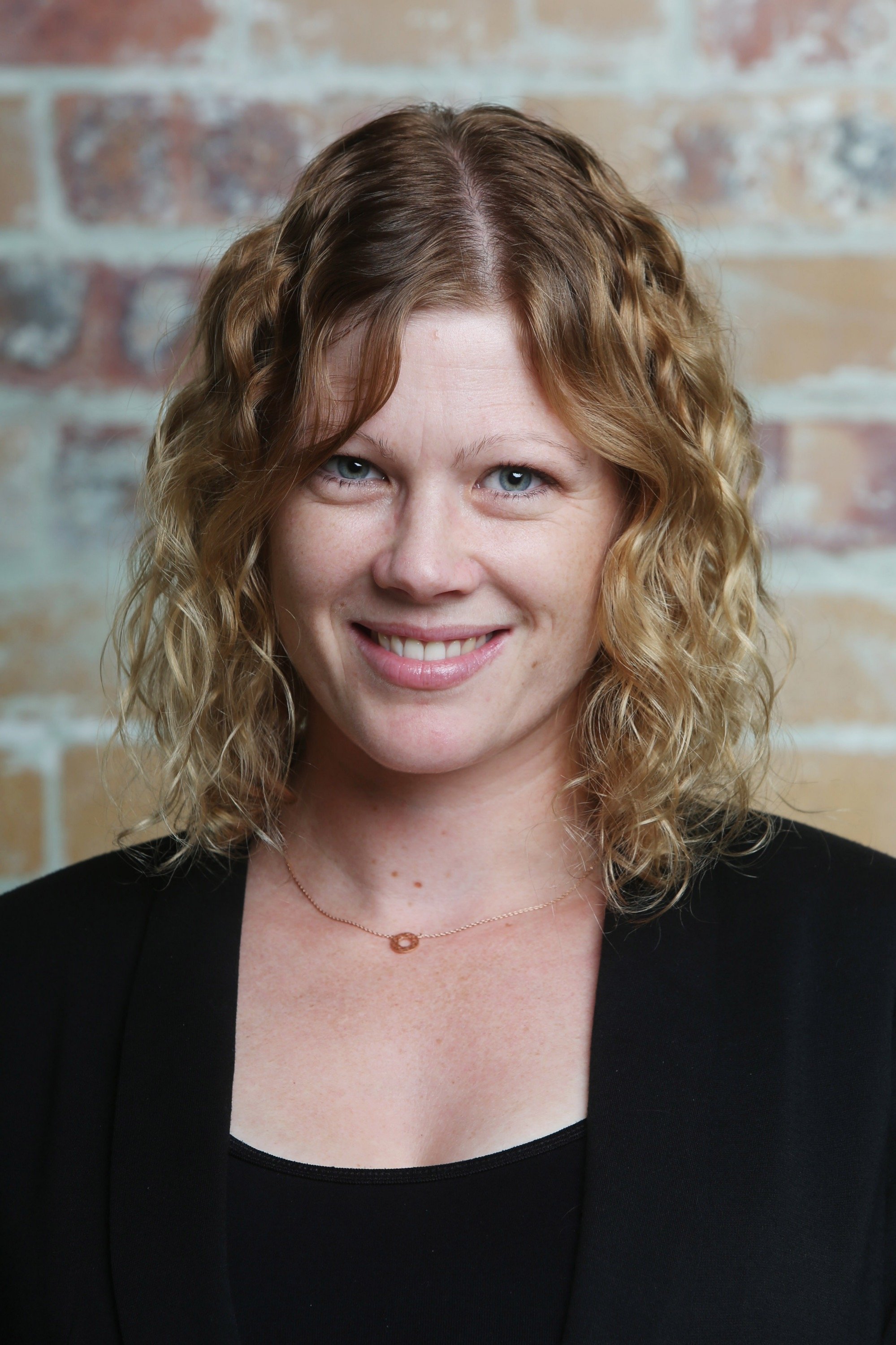
As we acknowledge the 40th anniversary of Sharron’s murder, journalist Kate Kyriacou will talk about the case of Sharron Phillips who went missing from the busy Ipswich motorway and why the case had such an impact on Queenslanders.
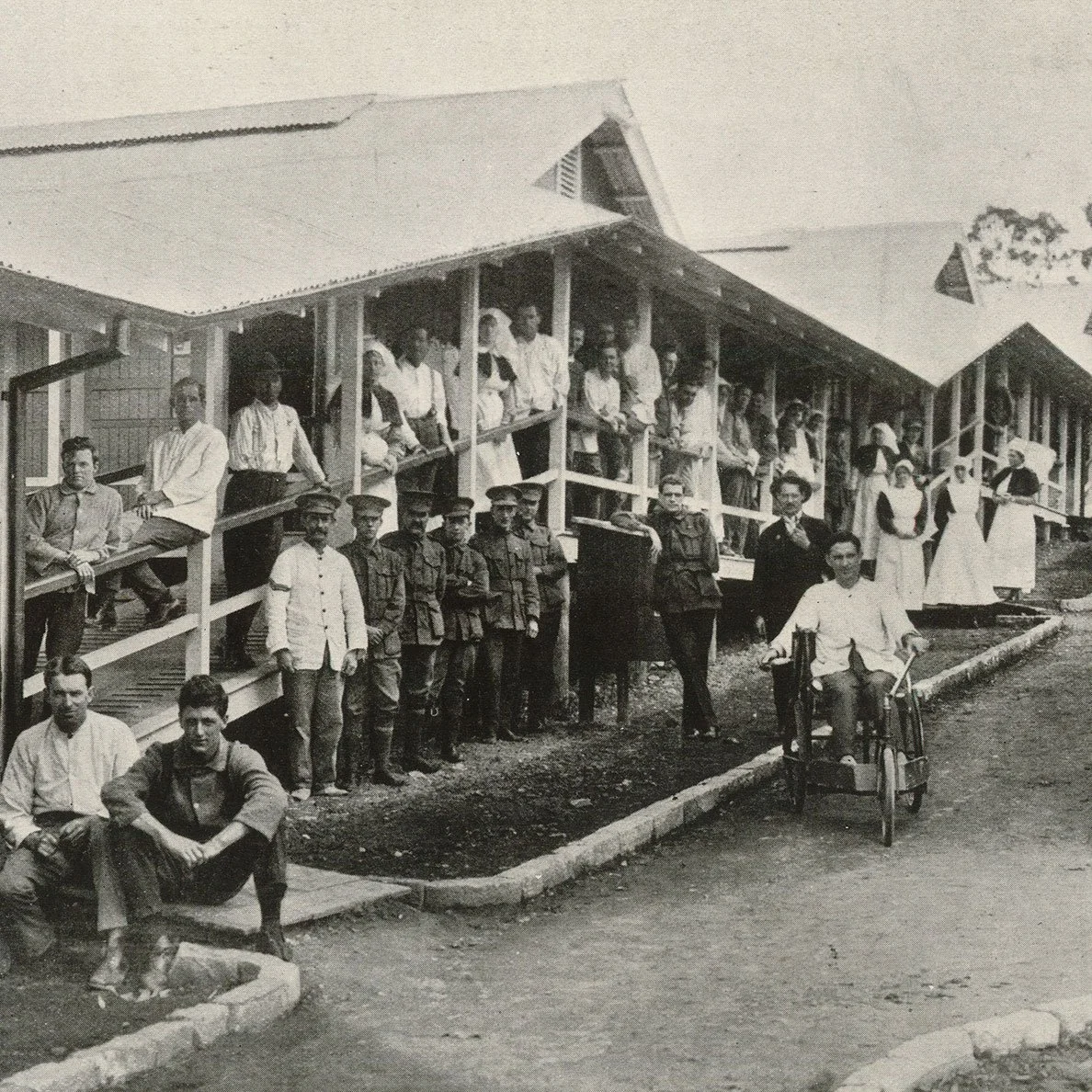
Caring for the wounded: Rosemount repatriation hospital
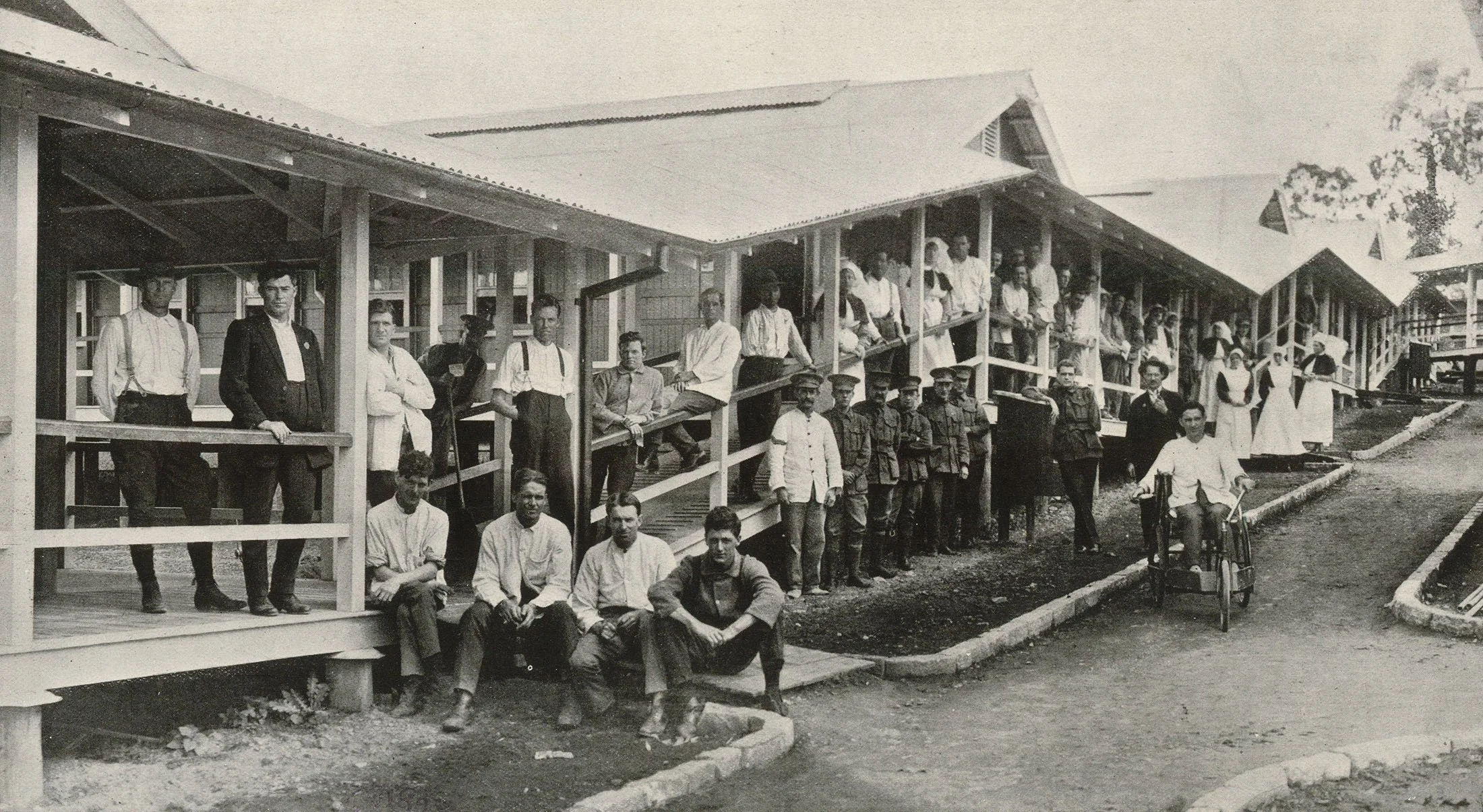
Join us on Sunday 14 June for a free talk exploring the history of Rosemount Military hospital and the crucial role it played caring for returned service personnel.
‘Many Brisbane residents have visited the Rosemount Military Hospital at Windsor, and have realised the care and attention bestowed on the “Diggers” there.’ (Cairns Post 1924)
The advancement of weaponry during World War I significantly increased the severity of wounds for both allied and axis forces. Countless Australian soldiers returned home with complex medical conditions resulting from their service. The ongoing care of these individuals represented a logistical challenge for families and governments alike. In response repatriation hospitals, such as Rosemount, were established throughout Australia to provide medical care, rehabilitation and long-term treatment for World War I veterans.
Rosemount, located at Windsor, was opened in 1915 as 1 Australian Auxiliary Hospital (AAH), later becoming the 27 AHH. It specialised in the rehabilitation of orthopaedic and spinal injuries with massage, physiotherapy and amputee services. Such was the demand as World War I ended that Rosemount struggled to cater for its ever-growing patient lists, with the site requiring numerous additions. This important historical site is a testament to the those who survived the war and a reminder of the long-lasting health implications many suffered. Moreover, Rosemount draws attention to the essential role that medical staff played in the ongoing rehabilitation of wounded soldiers.
This talk will be presented by special guest Associate Professor Clifford Pollard, who served in Bougainville and East Timor as a member of the Royal Australian Army Medical Corps. He is the former Chair of the Queensland Trauma Clinical network, and previous Director of Trauma Services at the Royal Brisbane and Women’s Hospital, and Director of the Queensland Trauma Registry at the Centre of National Research in Disability and Rehabilitation Medicine, The University of Queensland.
After the talk, visitors can stay to explore the Memorial Galleries, embarking on an interactive journey from the First World War to today, before taking time to reflect on the remarkable stories of bravery and sacrifice in the tranquil parklands.
Anzac Square Memorial Galleries is located at 285 Ann Street, Brisbane. Entry is through the double brass doors located beneath the Shrine of Remembrance.
Book now to secure your tickets.
Archives for Justice
Archives shape our understanding of the past and inform our decisions for the future. They preserve memory, uphold accountability and ensure important stories are never forgotten.
To mark International Archives Week 2026, we are hosting a free public panel discussion with Queensland State Archives on the role of archives in justice, governance and shaping future possibilities.
Hear from experts across archival, legal and justice sectors as they explore how records can uncover truth, support transparency in decision-making and deepen our understanding of the past and its impact today.
Date: Friday 12 June
Time: 10:30 am to 12 pm
Location: Queensland State Archives, Brisbane QLD
Cost: Free
Oral History Workshop
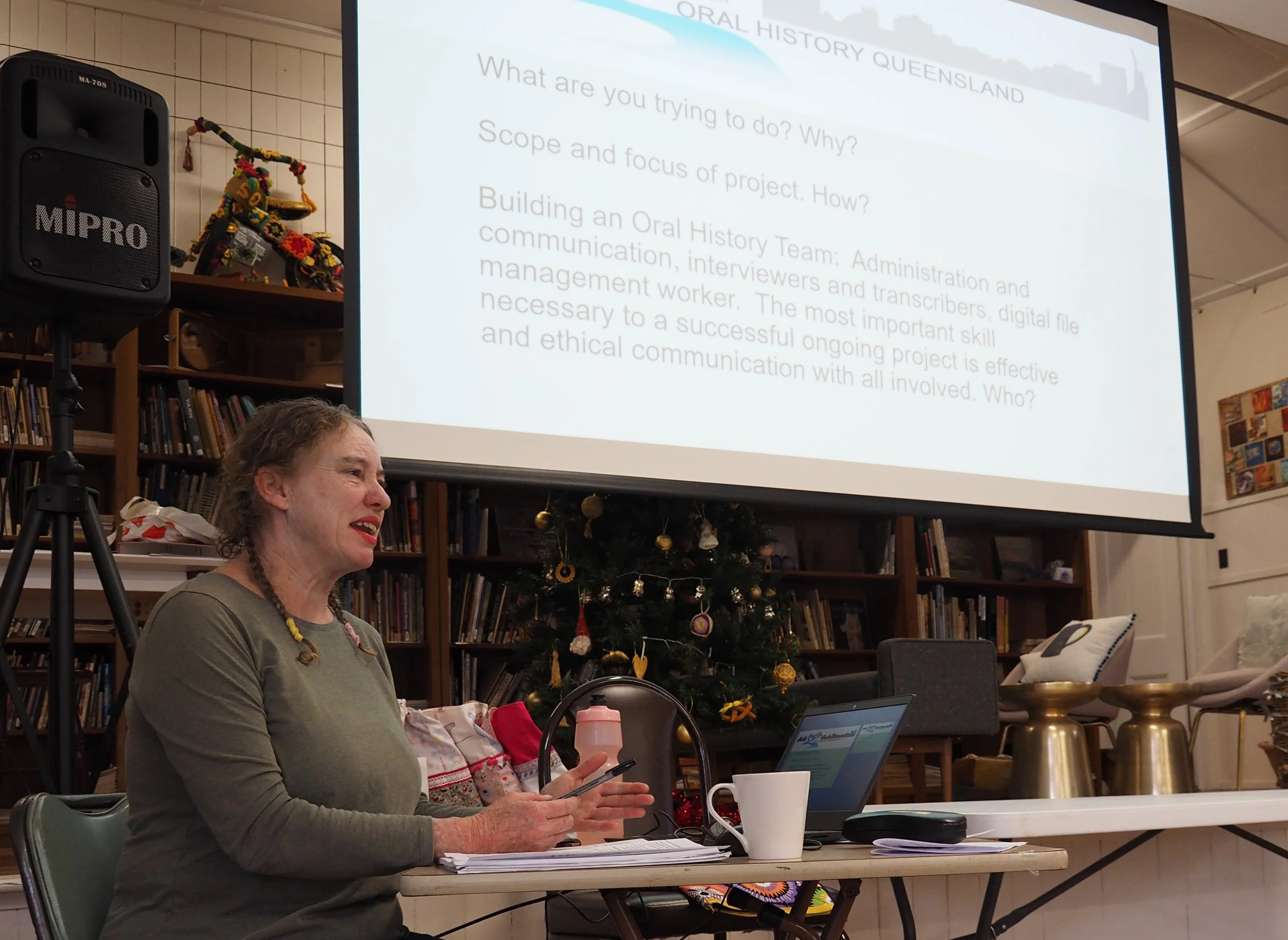
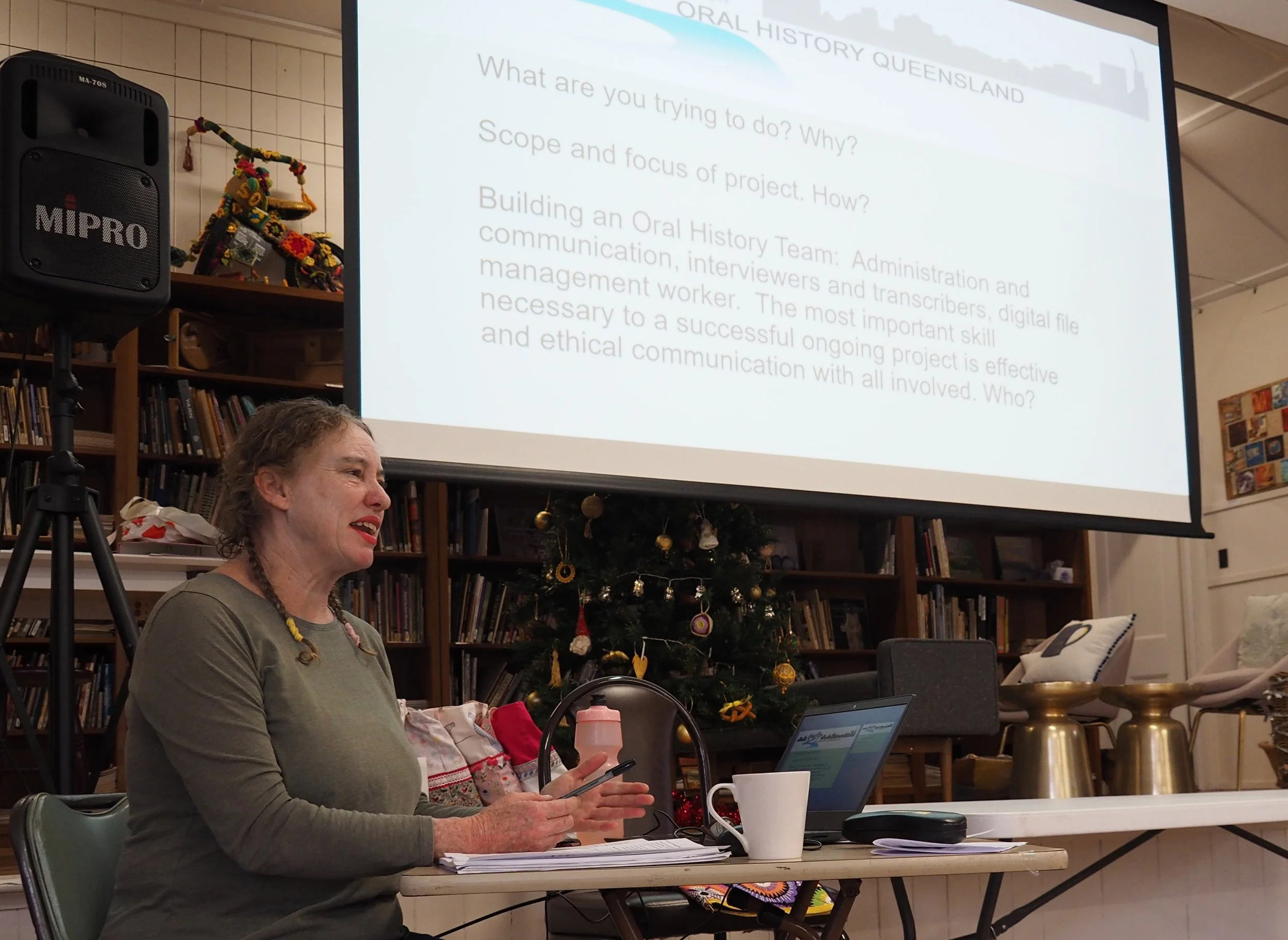
Oral History Queensland is holding a face-to-face workshop on 12 June 2026 at 12 Payne Street, Auchenflower. The workshop will be run by Elisabeth Gondwe who has a Master of Arts in Anthropology and Archaeology from James Cook University. Elisabeth has worked as an oral historian for 30 years and brings a strong oral history focus to her role as the curator at the North Stradbroke Island Museum on Minjerribah. She has designed and delivered many community oral history projects. This is an introductory workshop and would suit people who are commencing an oral history project. It will provide an overview of an oral history project, ethics and permissions, an introduction to interview techniques and recording, file management and transcribing. Anyone with an interest in oral history, family and local histories would benefit from this workshop.
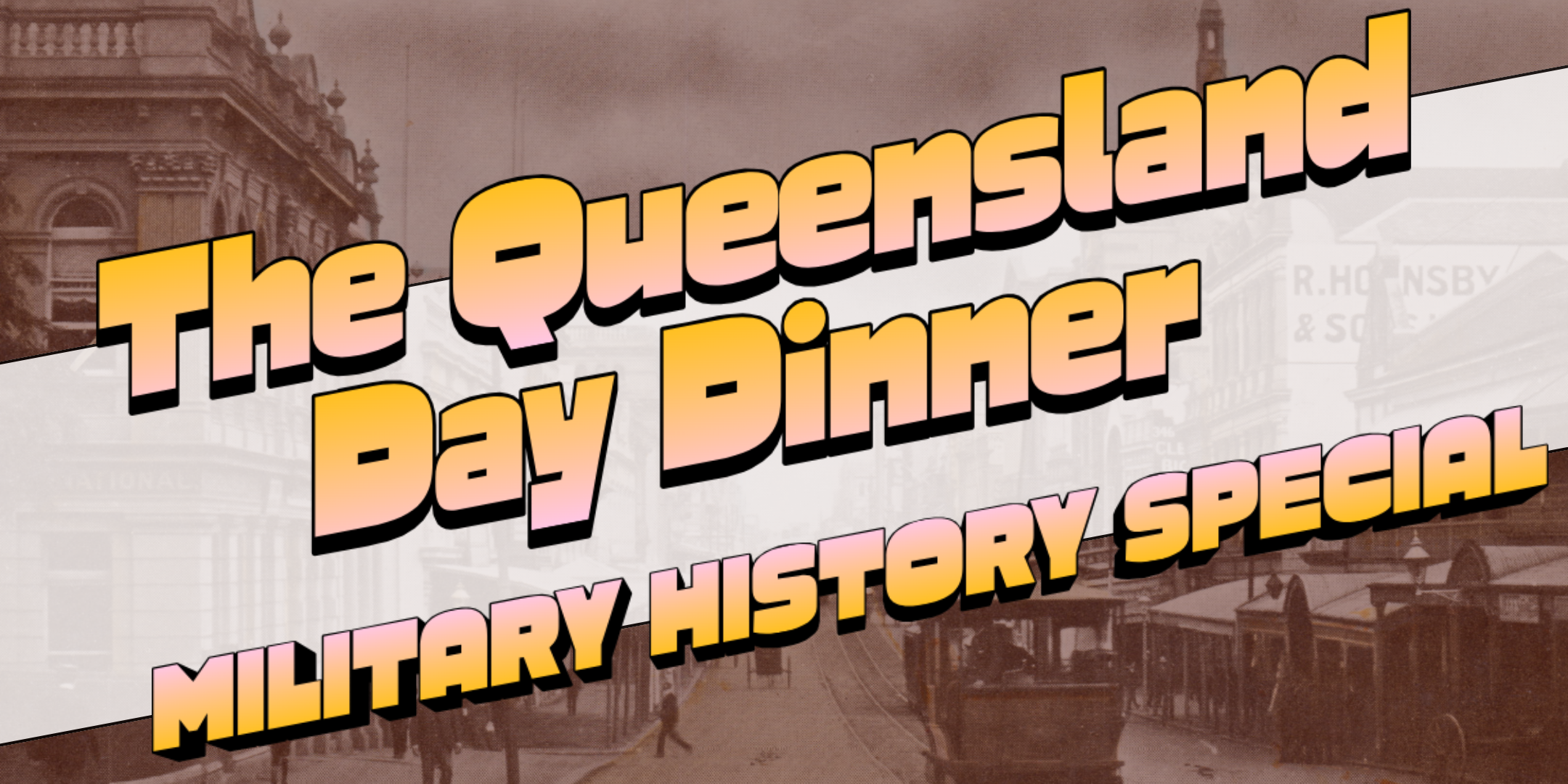
The 2026 Queensland Day Dinner
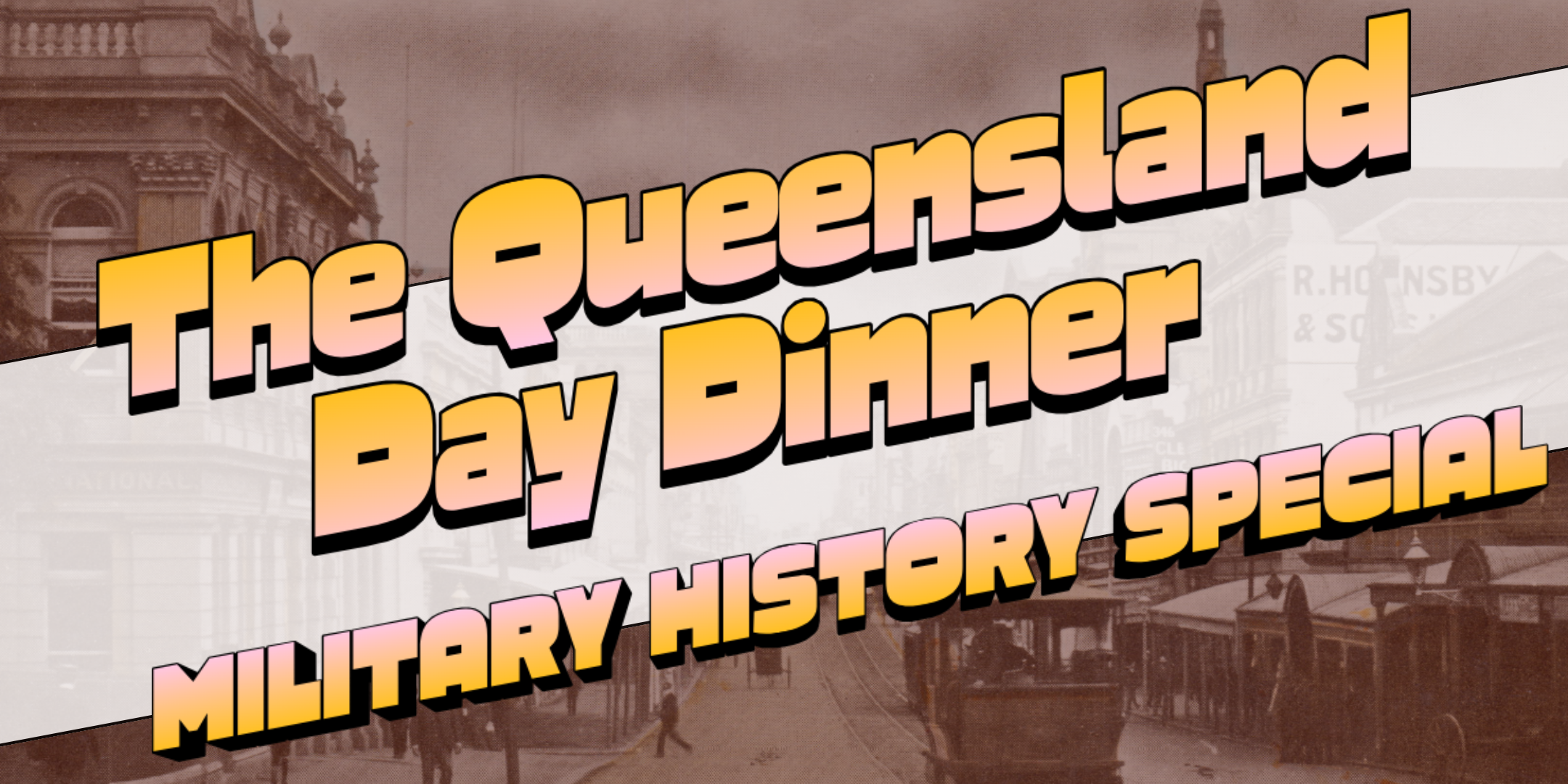
Join us for our annual Queensland Day Dinner, commemorating the separation of Queensland from New South Wales in 1859. This year is a SPECIAL EDITION that will feature three speakers on the theme of military history. The John & Ruth Kerr medal will also be awarded during the dinner.

Show 'n' Tell - Stories from the Suitcase

Join the Redlands Coast Museum celebrate the National Trust’s Australian Heritage Festival with a Show ‘n’ Tell on Immigration and the changes each culture brought to Quandamooka Country.
Our Immigration Display shows some of these shared stories. With tales telling us why, how and when these families came to call the Redlands home, we shall get insight into our neighbours, the traditions, treasures and challenges from changing their address. Hear what possessions came with them. See how new and old blended to create unique customs.
Join Jan Nary on the couch with special guests as they share powerful, personal stories of their journeys to the Redlands.
Hear firsthand how they arrived, what they brought with them, and how their cultures have helped shape our vibrant community. It’s an afternoon of connection, reflection and real stories from real people.
Everyone has a story. When you book, there is an option to tell your Redland story. How does your family celebrate and what do they bring to the cultural mix? Redland Coast Museum would love to have more real stories from real people.
Arrival: 9:45am
Presentation Starts: 10:00am sharp
Morning Tea: 11:00am
Concludes: 11:30am
Your ticket includes morning tea and general entry to the Museum.

Ngali wanthi “we search together…” Symposium, Redcliffe Museum
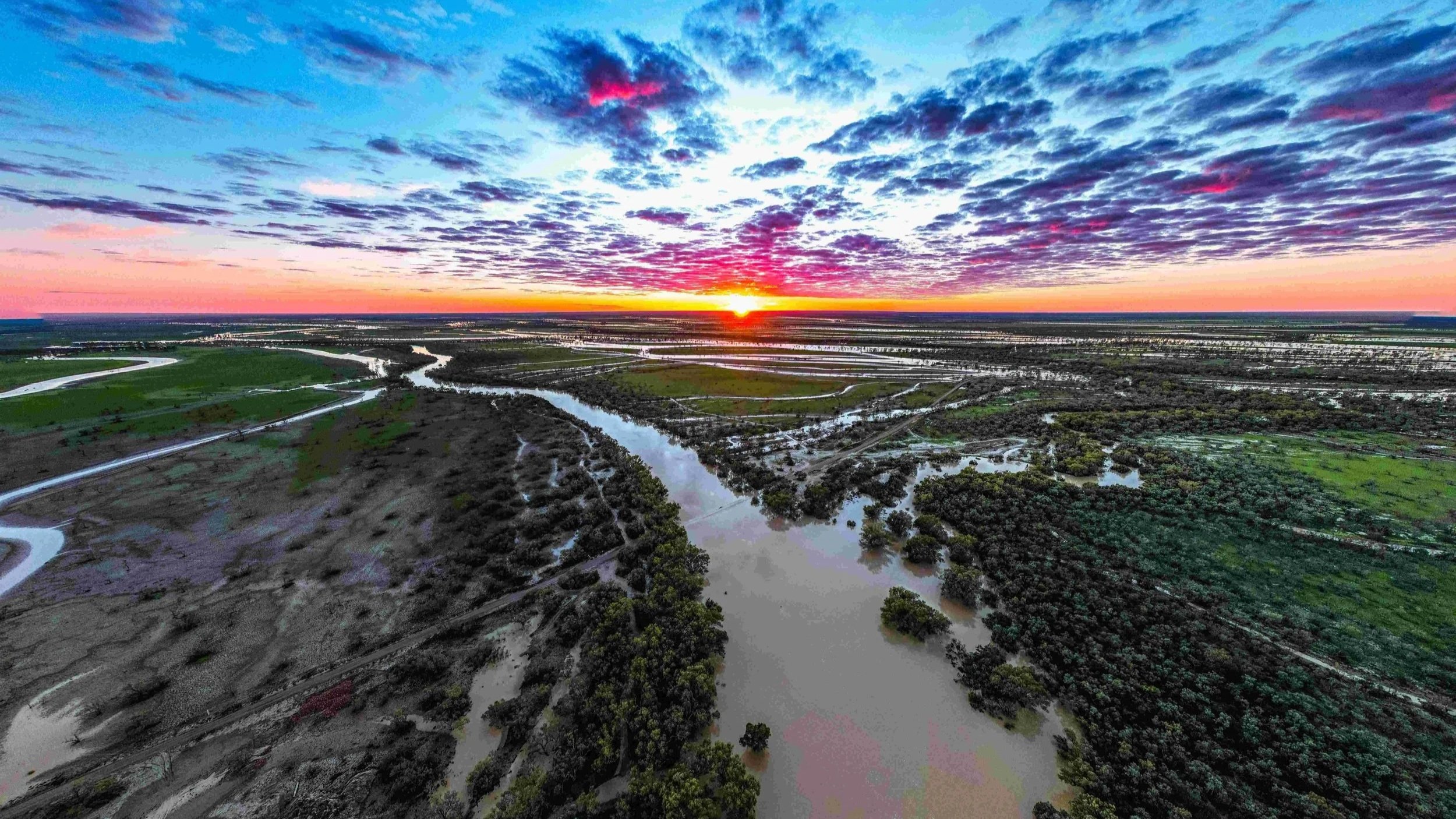
Held in conjunction with the touring exhibition Kirrenderri Heart of the Channel Country, join the University of Queensland School of Social Sciences researchers and Mithaka Aboriginal Corporation researchers for a day long symposium reflecting upon recent research at the Redcliffe Museum, Redcliffe.
Presenting key findings produced as part of extensive cultural mapping research work instigated by the Mithaka Aboriginal Corporation, with contributions by a collaborative research team from The University of Queensland, The Australian National University and ongoing research into the rich resource of Alice Duncan-Kemp Archives by historians and scientists.
In 2022 the first Kirrenderri Research Symposium brought together Mithaka researchers, descendants of pastoralists, scientists and historians. This second instalment highlights key research findings and recent Channel Country fieldwork.
This symposium is generously supported by The Pew Charitable Trusts
PROGRAM
10:00 Redcliffe Museum opens to the public
10:15 Kirrenderri curators Mandana Mapar, Shawnee Gorringe and Tracey Hough welcome guests and speakers
10:30 Program Begins
10:30-11:30 Panel 1 - Conservation and Cultural Heritage
MC Riley Rocco, Senior Campaigner Qld, Protecting Australia’s Nature, The Pew Charitable Trusts introduces panel speakers
George Gorringe, Mithaka Elder
11:30-12:15 Channel Country History
Professor Thomas Griffiths in conversation with Geoff Ginn
12:30-1:30 Lunch break, light lunch provided for all guests and speakers
(please email through dietary requirements ahead of time directly to m.mapar@uq.edu.au)
Panel 2 1:30 - 2:30 Mithaka Rangers and Researchers
MC Joshua Gorringe in conversation with Mithaka Rangers and researchers discussing recent findings and work carried out on Country with Professor Michael Westaway and Dr Jennifer Silcock
Please note: sessions are all open to the public and there is no cost, we encourage rsvps for catering purposes
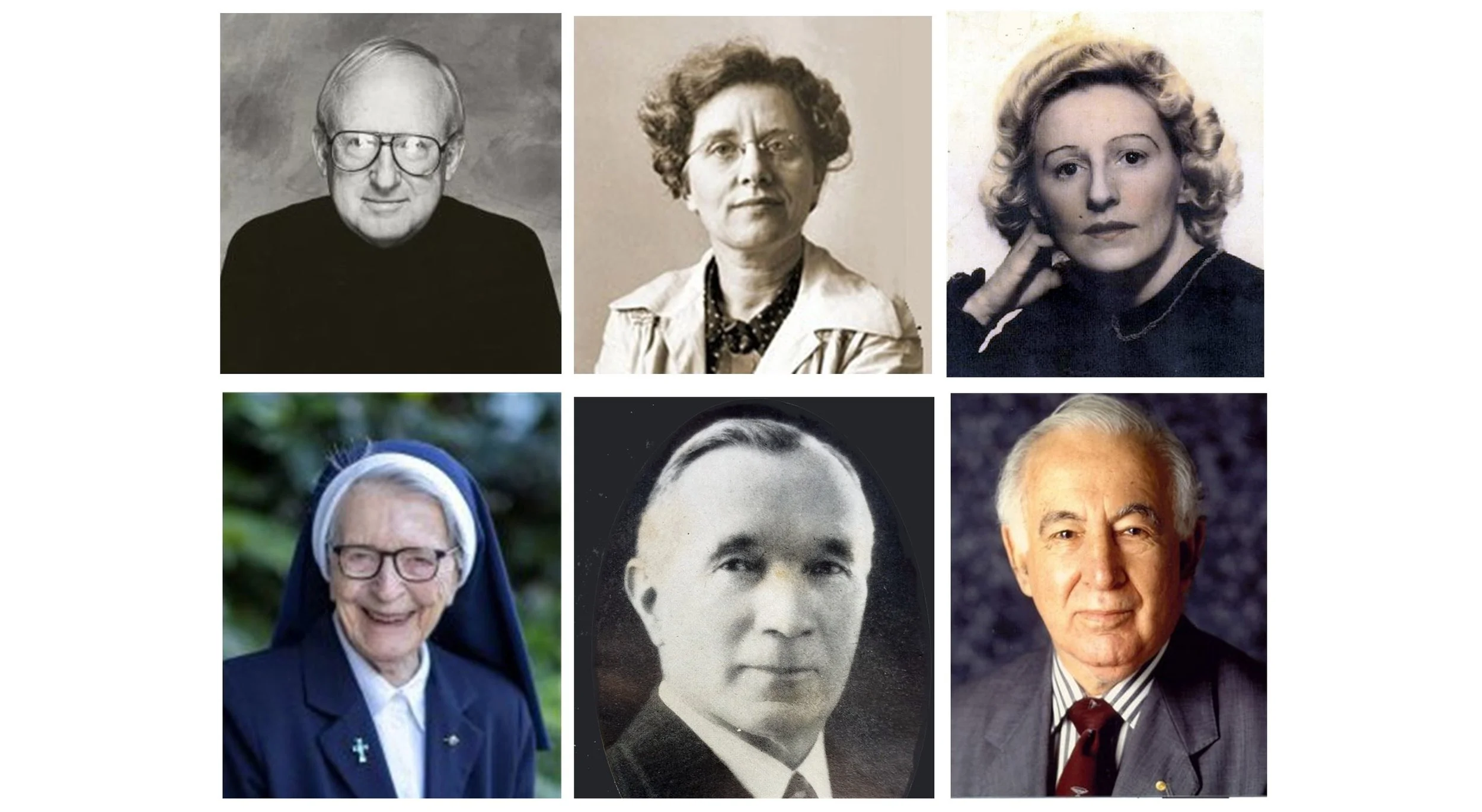
More Icons of Brisbane

Following on from the Brisbane History Group Icons of Brisbane event that was held in 2023, at our October seminar we are investigating another six people who have made significant contributions to the life and landscape of Brisbane, some of whom may be better known than others. Our subjects are:
Irish-born Thomas Charles Beirne (1860 - 1949) was a giant of Brisbane’s mercantile history. TCB, as he was known to many, was an influential figure during the first half of the twentieth century. A shrewd businessman, friend of politicians and confidante to Archbishops, he was also a generous benefactor and a long-term Legislative Councillor.
While he was born and educated in Melbourne, Sir Zelman Cowen played a significant role in the life of Brisbane as Vice Chancellor of The University of Queensland from 1970 to 1977, during the challenging years of the Vietnam War and the controversial Springbok Rugby tour student protests. In 1977, he left Brisbane to take up another challenging role, having been appointed by Malcom Turnbull as Governor-General of Australia following Sir John Kerr’s resignation that year. Acknowledged as an expert in constitutional law, he was a distinguished Australian with a significant international reputation.
Upon arrival in Australia in 1947, Sister Angela Mary Doyle taught for a short while before being sent to the Mater Misericordia Hospital in South Brisbane. In 1966 she took up the position of Administrator of that hospital and since that time, Sister Angela Mary has adopted a leadership role in healthcare and advocacy for various social and welfare issues, including women’s health, patient support and the treatment of communicable diseases. She recently celebrated her 100th birthday.
Robin Gibson has made a significant contribution to the public face of Brisbane with many landmark buildings that are immediately recognisable locally, nationally and internationally: The Queensland Cultural complex, including the Art Gallery, the Performing Arts Centre, Queensland Museum and State Library. Perhaps less well-known are Mayne Hall and the Central Library at The University of Queensland and Queen Street Mall, among many others.
After graduating from the Brisbane Central Technical College with a diploma in art craftsmanship, Daphne Mayo was awarded Queensland’s first publicly funded travelling art scholarship and studied in England before returning to Australia. In the 1920s and 30s, she undertook several public commissions, many of which she carved in situ. With her friend Vida Lahey, she founded the Queensland Art Fund in 1929 and they oversaw the establishment of the state’s first art reference library in 1936. She was appointed a Member of the British Empire (MBE) in 1959 and became Queensland Art Gallery’s first woman trustee in 1960.
Cecilia McNally, nicknamed The Duchess of Spring Hill, may be forgotten by many since her death in 1996 but she was widely known and respected for her enthusiasm for, and expertise in antiques, and her tireless support of charities and those in need. The annual Spring Hill Fair, which she organised for twenty-two years was perhaps Queensland’s most successful charity event, with the Mater Children’s Hospital being a major beneficiary of her generosity.
Our presenters are Jacqui Donegan, Lisa Jones, Robert Allen, Deborah van der Plaat, Richard Blundell and Paul Sayer
Registration for the seminar and the bookshop opens at 12.30pm and the event will commence at 1.00pm. There will be a mid-session break for a cuppa.
The entrance to the GT125 Theatre is to the right of the chapel when viewed from Gregory Terrace
Organisation Name: Brisbane History Group
Organisation Website: https://www.brisbanehistorygroup.org.au/
Organiser email: bhg4000@brisbanehistorygroup.org.au

Game Changers in conversation with Richards & Spence

Join us for an inspiring evening with Ingrid Richards and Adrian Spence, the visionary architects behind some of Queensland's most celebrated spaces, including Brisbane's iconic Calile Hotel.
Known for their signature approach — what they describe as "gentle brutalism" — Richards & Spence masterfully balance reductive materiality with structural monumentality. They aim to create spaces that are as inviting as they are striking.
Hear how this Queensland-based practice has helped transform Brisbane into a destination city.
Organisation Name: State Library of Queensland
Organisation Website: https://www.slq.qld.gov.au/
Organiser email: belinda.brown@slq.qld.gov.au