
Designing Brisbane: The Women Architects Who Quietly Shaped the City
For much of Brisbane’s early history, architecture was considered a man’s profession.
Construction sites, drafting offices and architectural institutes were overwhelmingly male spaces. Women entering the field in the early 20th century faced enormous barriers — limited access to training, resistance from professional organisations, and few opportunities to establish their own practices.
Yet despite those challenges, a small group of pioneering women helped shape Brisbane’s built environment in ways that still survive today.
Their names are not always widely recognised.
But traces of their work remain quietly embedded across the city.
Among the most significant was Elina Mottram, who in 1924 became the first woman in Queensland to establish her own architectural practice. Working from an office in Brisbane’s T&G Building at the corner of Queen and Albert Streets, Mottram entered a profession that had only just begun accepting women at all.
At the time, industry journals openly described the arrival of a “lady architect” in Brisbane as something remarkable. Yet Mottram quickly proved herself far more than a novelty. She went on to become Queensland’s longest-practising early female architect, working across Brisbane, Longreach and Rockhampton for decades.
Some of her Brisbane buildings still survive today.
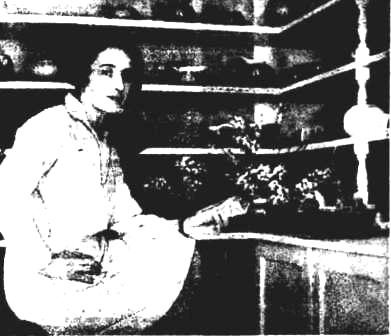
Nell McCredie
Elina Mottram
Beatrice Hutton
One of the most significant is “Monkton,” a timber residence overlooking the Brisbane River at Corinda. Designed in 1925, the house remains one of only a handful of surviving Brisbane buildings created by an early woman architect. Its symmetrical façade, refined timber detailing and elevated river setting reflect the careful domestic design that characterised much of Mottram’s work.
Elsewhere, the Scott Street Flats at Kangaroo Point survive as another rare example of her architecture. Built during Brisbane’s interwar expansion, the flats incorporated wide bay windows, river views and communal walkways that reflected changing ideas about urban living in the 1920s. (These flats remain part of the Walan Apartments complex)
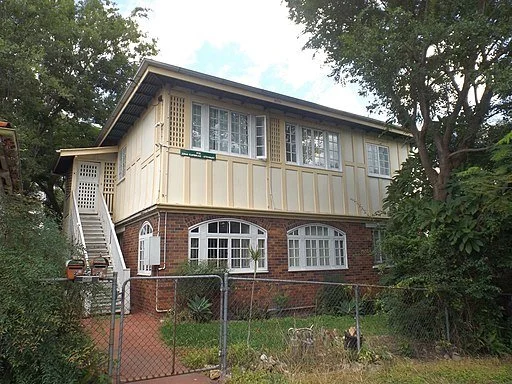
Scott St Flats, Kangaroo Point
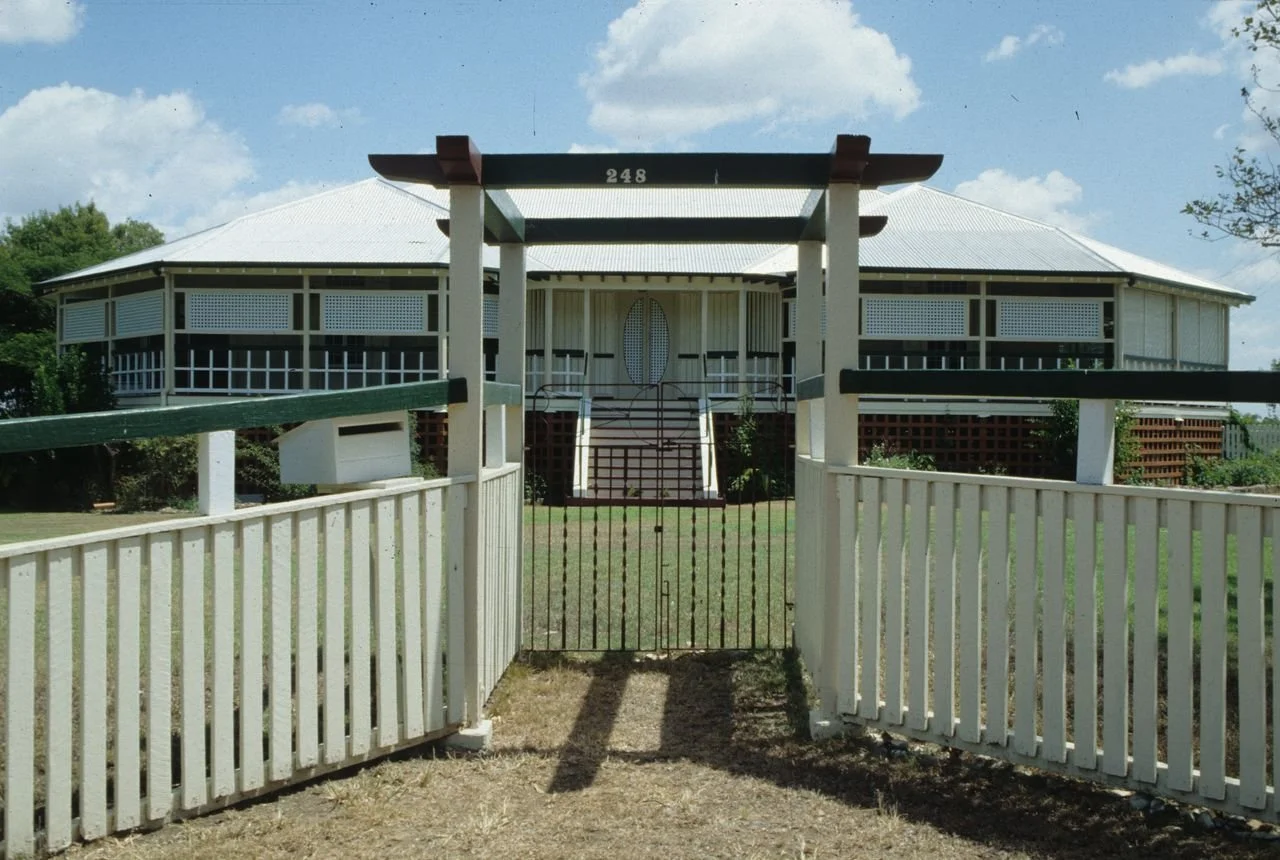
(Toowong and District Historical Group)
Mottram was not alone.
Beatrice Hutton became the first woman admitted to an architectural institute anywhere in Australia when she joined the Queensland Institute of Architects in 1916. Her acceptance marked a major turning point for women entering the profession nationally. (an example of her work stands in Rockhampton, a Qld Villa designed for her mother) Bea Hutton spent later years developing working in Arts and Craft movement, and opened a craft studio, The Glory Box, in Brisbane’s Colonial Mutual Life Building.
Meanwhile, Nellie McCredie helped shape a quieter but equally important architectural legacy in Brisbane during the interwar years. McCredie designed houses focused on simplicity, proportion and liveability — ideals that reflected emerging ideas about modern domestic life.
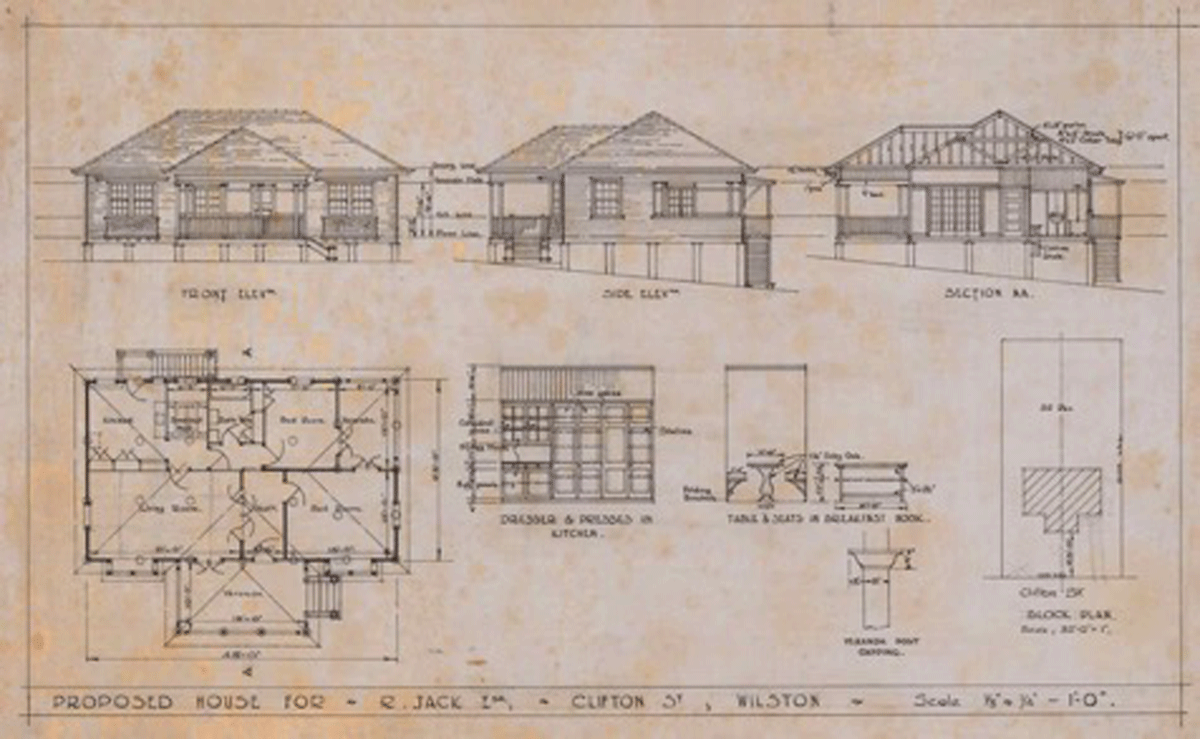
Her surviving Brisbane work “Uanda,” in Wilston, is now heritage-listed and considered extremely rare. It remains the only identified surviving architectural work of McCredie and one of very few surviving buildings linked to Queensland’s pioneering women architects.
What makes these stories especially significant is how easily they disappeared from mainstream histories of Brisbane architecture.
‘Uanda’ Wilston Grange News
For decades, many women architects were overshadowed by male colleagues or omitted entirely from public recognition. Some left the profession after marriage or during the economic hardship of the Depression years. Others moved into teaching, art or design because architectural opportunities remained limited.And yet their work still shapes Brisbane today.Their buildings survive quietly in suburbs, riverfront streets and heritage precincts across the city — often passed every day by people unaware of the women who designed them.Perhaps that is part of the broader story of Brisbane itself.Some of the city’s most important stories survive not in monuments or headlines, but in the quieter details woven into everyday places.
For more reading:
https://adb.anu.edu.au/biography/mottram-elina-emily-32219
https://adb.anu.edu.au/biography/hutton-beatrice-may-bea-12676
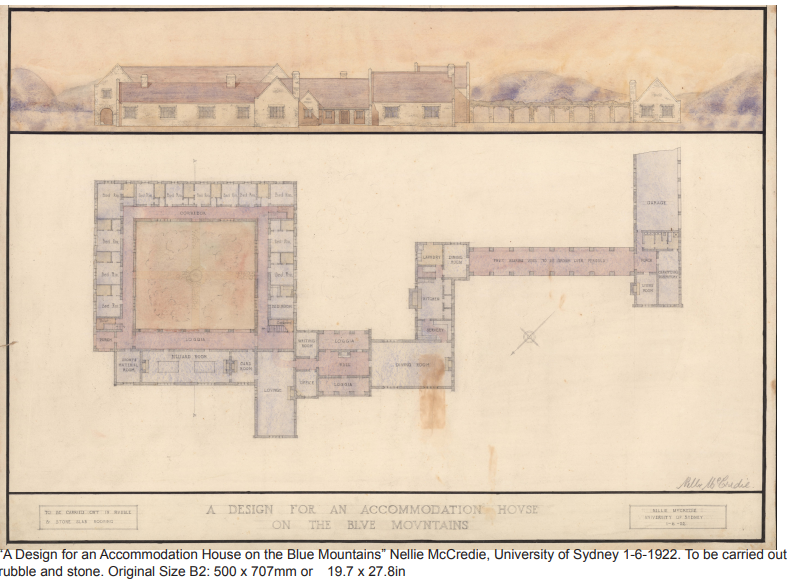
from Nell McCreadie sketchbook UQ link provided