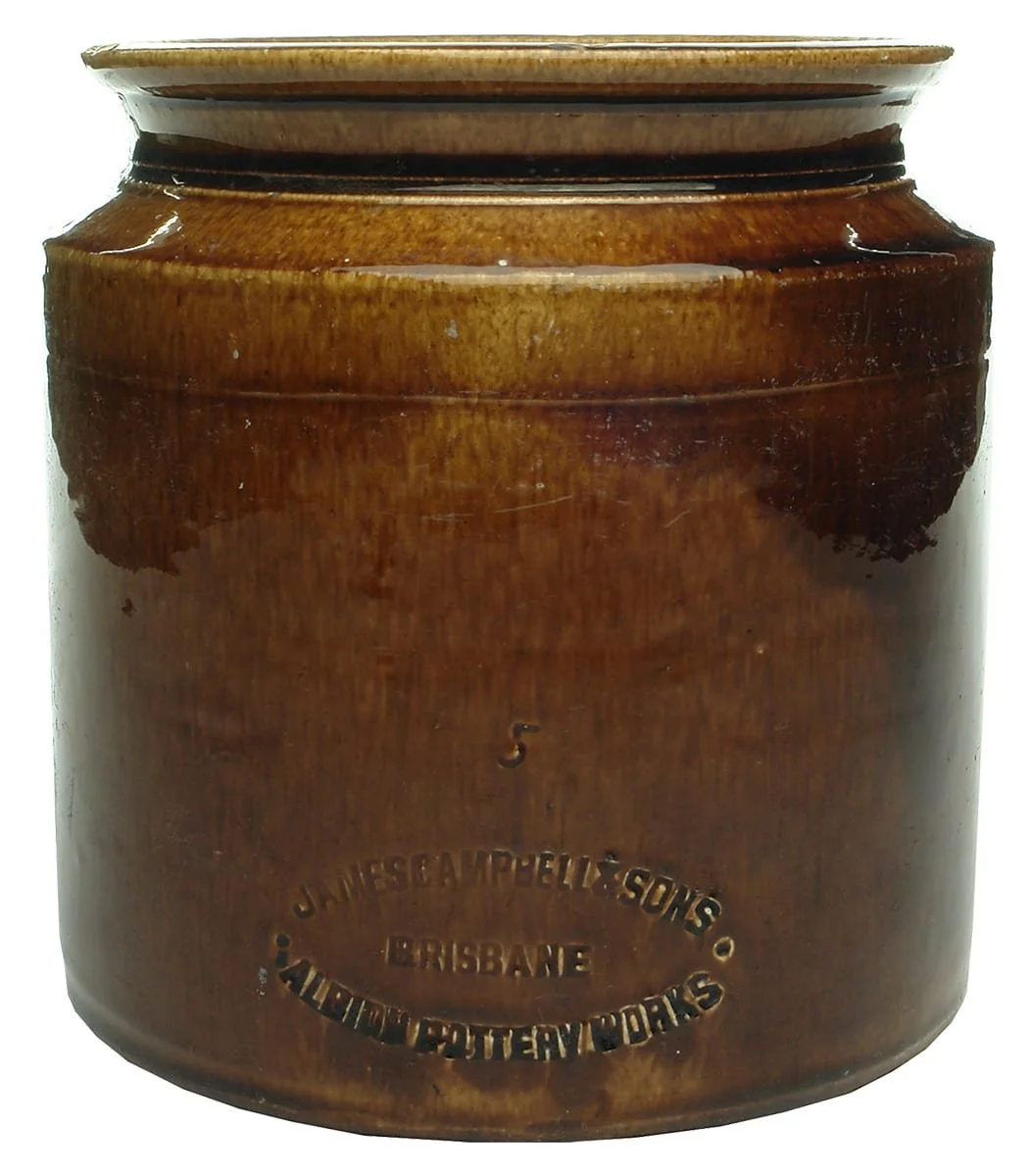
Part 2 - From Campbellville to Albion: James Campbell & Sons in Brisbane
The closure of the Campbellville sawmill in the early 1890s marked a shift in operations rather than the end of the business.
With the North Coast railway reducing the need for creek-based transport, James Campbell moved his focus towards Brisbane. Operations were progressively consolidated closer to the city, with Albion becoming the main industrial base.
Expansion at Albion
At Albion, the business developed into James Campbell & Sons and expanded beyond timber into a broader range of building materials.
By this time, operations included:
Brickmaking
Lime and cement production
Quarrying
Pottery and terracotta manufacturing
Timber supply and joinery
This diversification aligned with the rapid growth of Brisbane and increasing demand for local building materials.
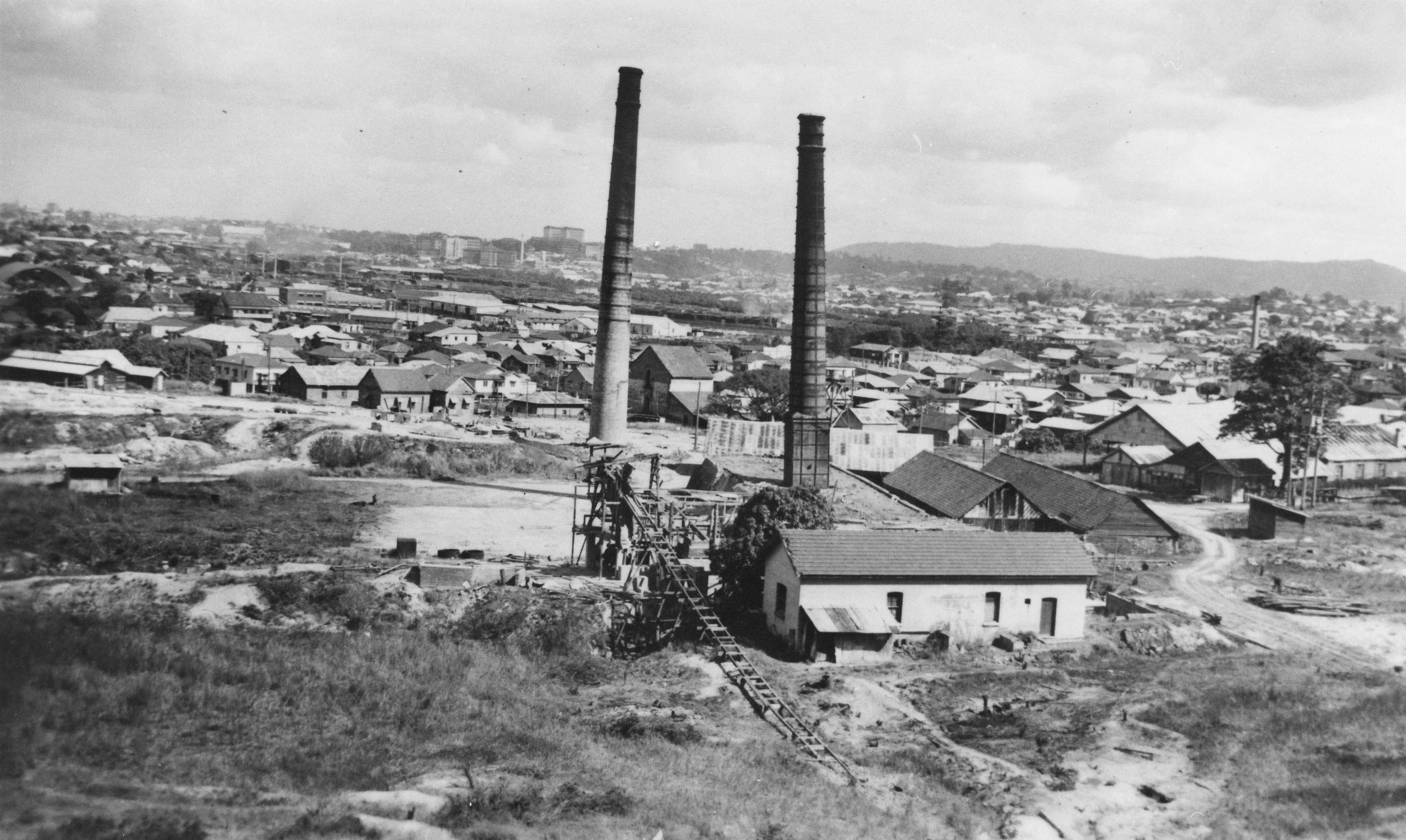
Brick and Pottery Production
The Albion Brick and Pottery Works became a key part of the business.
Clay products manufactured on site included standard building bricks as well as pipes and drainage materials. The works also produced decorative terracotta and ceramic items alongside functional building products.
These decorative outputs were used in both domestic and public contexts and reflect the wider nineteenth-century practice of combining utility with ornament in building materials.
Exhibition Material
James Campbell & Sons contributed products to Brisbane exhibitions in the late nineteenth century, including displays associated with the Bowen Hills exhibition precinct.
Items included decorative ceramics such as jardinières and other ornamental pieces. These were presented alongside industrial and building materials as examples of local manufacturing capability.
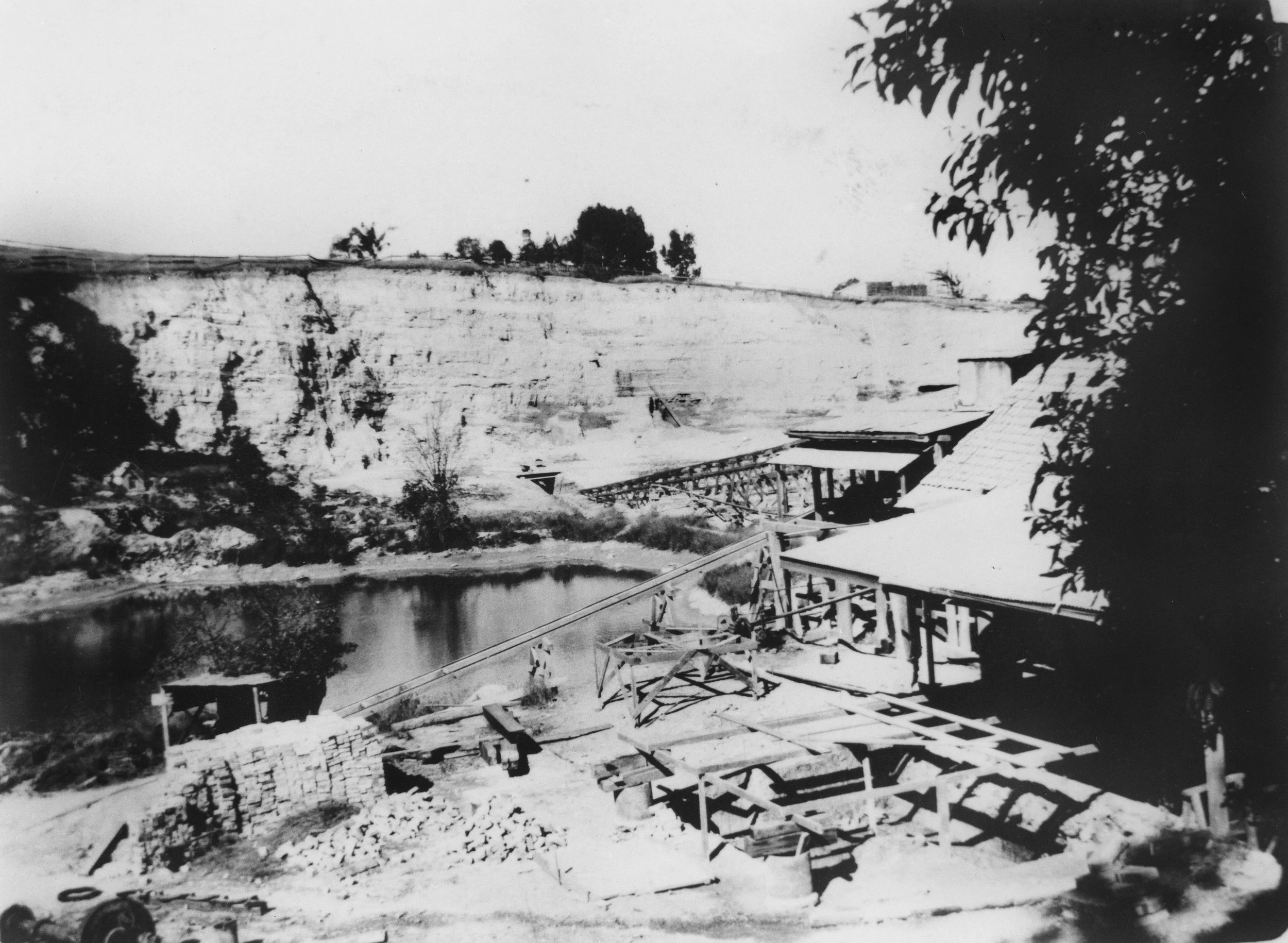
Outcome
By the end of the nineteenth century, James Campbell & Sons had become a significant supplier of building materials in Brisbane.
The move from Campbellville to Albion reflects a broader industrial shift, from timber extraction and river transport to manufacturing and rail-connected production closer to the city.
The result was a business more closely tied to Brisbane’s urban development and construction industry.
The Albion Brick and Pottery Works continued operating into the twentieth century, but over time the pottery component became less distinct as the site shifted toward broader building materials production. As manufacturing methods changed and industrial land use in inner Brisbane evolved, the works gradually ceased pottery production and the Albion site was redeveloped in stages. Today, there is little visible trace of the pottery works on the ground. The products survive mainly through museum collections and archival records, rather than the industrial landscape that once produced them.
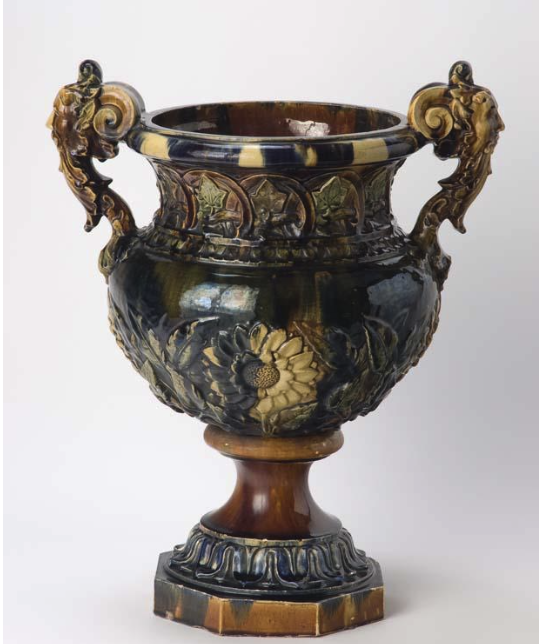
QAGOMA
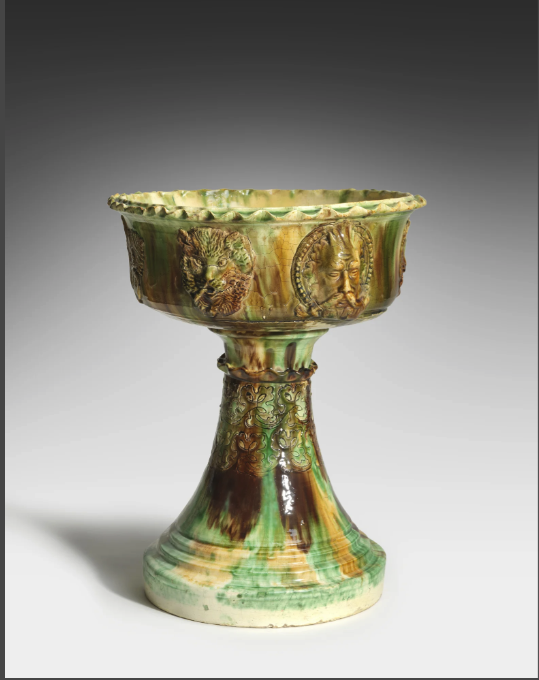
Art Gallery of NSW
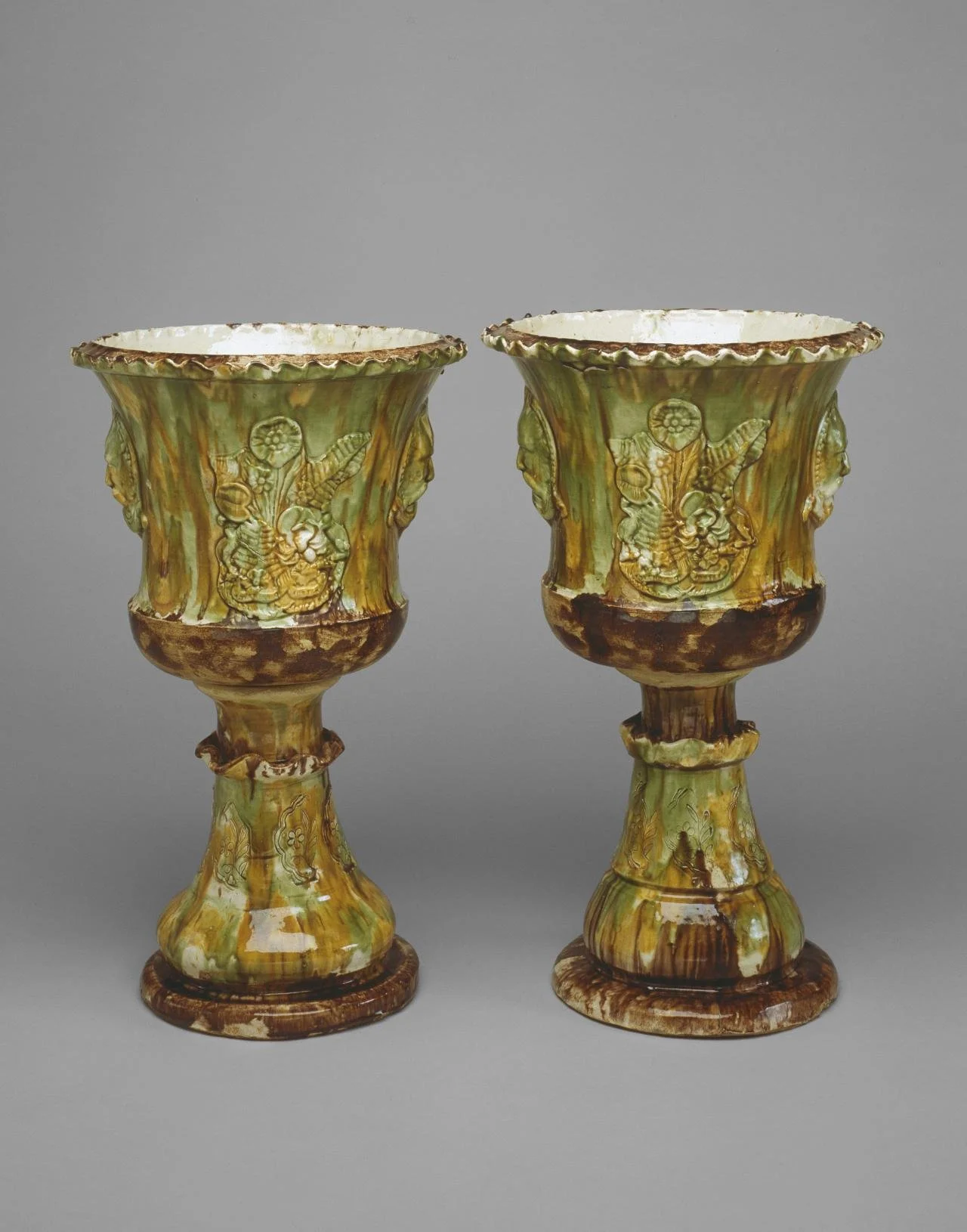
National Gallery of Victoria